Yarra Valley wineries: a guide to vineyards and cellar doors
· Yarra Valley Pass
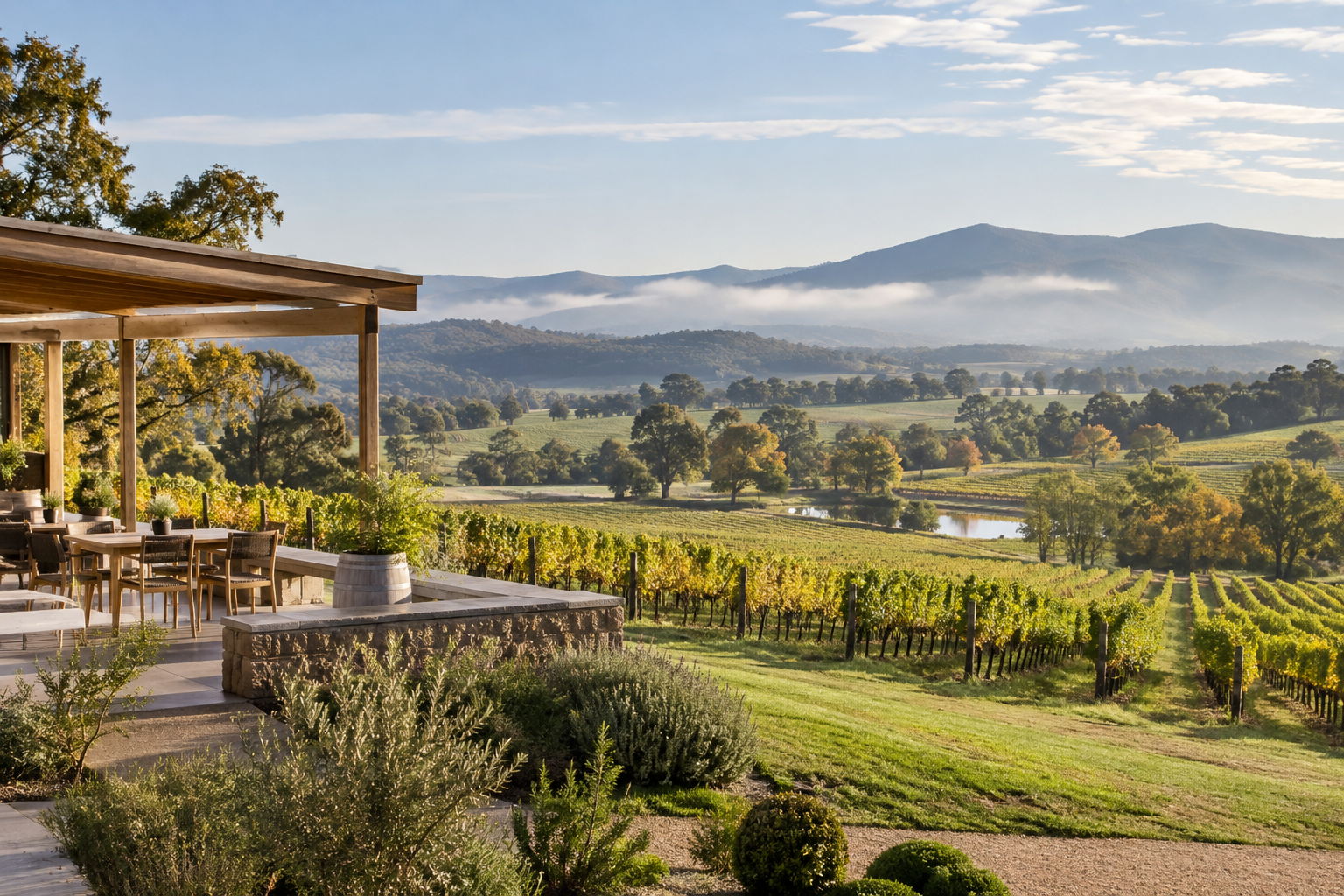
Yarra Valley wineries are best known for cool-climate Chardonnay and Pinot Noir, with Cabernet Sauvignon, Shiraz, sparkling wine and Italian varieties adding plenty of choice. Oakridge, Giant Steps, Coldstream Hills, Dominique Portet and De Bortoli are strong starting points, but the right shortlist depends on your taste and preferred experience. For a manageable first visit, choose two or three cellar doors around Coldstream, Yarra Glen or Healesville rather than trying to cover the whole region.
Understanding the Yarra Valley wine region
The Yarra Valley lies east and north-east of Melbourne. Many cellar doors are roughly an hour to an hour and a half from the city by car, although your departure point, traffic and chosen destination make a substantial difference.
It is a cool-climate region, but not a uniform one. Lower valley sites generally experience warmer conditions than higher, cooler sites in the Upper Yarra. Elevation, slope, aspect and soil influence how grapes ripen, so two wines made from the same variety can taste quite different.
The region’s key styles include:
- Chardonnay: from fresh, citrus-led wines to complex styles shaped by barrel fermentation and maturation.
- Pinot Noir: often featuring red-fruit flavours, freshness and varying levels of savoury complexity.
- Cabernet Sauvignon and blends: an important part of the valley’s history, particularly from suitable warmer sites.
- Shiraz: often more peppery and restrained than examples from warmer Australian regions.
- Sparkling wine: another expression of the region’s suitability for Chardonnay and Pinot Noir.
A tasting is most useful when you compare a small number of wines thoughtfully, rather than simply collecting cellar-door stops.
Yarra Valley wineries: a practical comparison
These producers offer different starting points for exploring the region. This is a planning shortlist, not a ranking; confirm current tasting arrangements, dining options and visitor access before travelling.
| Winery or cellar door | Town or locality | Main reason to consider it |
|---|---|---|
| Oakridge | Coldstream | Chardonnay, Pinot Noir and wines that highlight individual vineyard sites |
| Coldstream Hills Cellar Door | Coldstream | An established name for Yarra Valley Pinot Noir and Chardonnay |
| Dominique Portet | Coldstream | Bordeaux heritage, Cabernet-based wines and rosé |
| Giant Steps | Healesville | A focused exploration of Chardonnay and Pinot Noir, including single-vineyard wines |
| De Bortoli Wines | Dixons Creek | A broad wine range and an established estate setting |
| Yering Station | Yarra Glen | Historic vineyard connections and a substantial estate experience |
| Soumah | Gruyere | Italian-influenced varieties alongside Chardonnay and Pinot Noir |
| Payten & Jones | Healesville | A less conventional wine selection and town-based cellar-door experience |
| Jayden Ong | Healesville | Vineyard-driven wines at an urban winery and cellar bar |
| Seville Estate | Seville | An introduction to the Upper Yarra through an established producer |
For Pinot Noir and Chardonnay
Start with Oakridge, Giant Steps or Coldstream Hills. These are useful choices if you want to understand why the same grape produces different results across the valley.
Ask whether the tasting includes both regional and single-vineyard wines. Comparing them can reveal differences in fruit character, texture and structure more clearly than tasting unrelated varieties.
For Cabernet, blends and rosé
Dominique Portet brings a Bordeaux-influenced perspective to the region. It is a sensible inclusion if your interests extend beyond Pinot Noir, especially towards Cabernet-based wines and rosé.
De Bortoli and Yering Station also provide broader starting points. Check the current tasting list rather than assuming every wine in a producer’s range will be available to sample.
For alternative varieties and different approaches
Soumah is worth considering for its Italian-influenced range. Payten & Jones offers another direction, while Jayden Ong combines a Healesville winery setting with wines drawn from different vineyard sites.
These visits can add variety to a day otherwise dominated by Chardonnay and Pinot Noir. Ask staff what makes their approach distinctive rather than relying on broad labels such as “traditional” or “experimental”.
For more producer context, explore Top wineries in Yarra Valley: 10 benchmark producers and why they matter.
Choose wineries by town, not just reputation
The best wineries in the Yarra Valley for your trip are not necessarily the most convenient combination. Grouping nearby stops leaves more time for tasting, lunch and conversation.
Coldstream and Gruyere
Coldstream provides a useful introduction to established producers, including Oakridge, Coldstream Hills and Dominique Portet. Nearby Gruyere adds options such as Soumah. This area suits visitors who want vineyard settings without building an itinerary around the whole valley.
Yarra Glen and Dixons Creek
Yarra Glen is a practical base for an estate-focused day, with Yering Station nearby. Dixons Creek, to the north, is home to De Bortoli’s Yarra Valley estate. Allow time for the drive between venues rather than treating the whole area as one stop.
Healesville
Healesville combines cellar doors with cafés, shops and places to eat. Giant Steps, Payten & Jones and Jayden Ong make it particularly appealing for visitors interested in town-based tastings. Not every stop involves visiting the vineyard where the grapes grew.
Seville and the Upper Yarra
Seville offers a different starting point, including Seville Estate. It suits a more focused exploration of the southern part of the wine region rather than an add-on to an already crowded northern itinerary.
Use Yarra Valley wineries by town: choose where to spend your day to narrow your geographical shortlist.
A Yarra Valley vineyard visit is not always a cellar-door visit
A vineyard is where grapes grow. A winery is where wine is made. A cellar door is where visitors taste and buy wine. They may share one property, but they do not have to.
This distinction matters when choosing wineries to visit in Yarra Valley. A town-based tasting can provide excellent wine education without vineyard views, while an estate may have beautiful vines but limited public access beyond its visitor areas.
Vineyards are working agricultural sites. Do not walk between rows, enter sheds or cross gates unless access is expressly permitted. Machinery, uneven ground and seasonal vineyard work can make unrestricted wandering unsafe.
If seeing vines is central to your day, ask whether the property offers a designated walk, guided tour or accessible viewing area. For a closer look at these distinctions, read Yarra Valley vineyard visits: working estates, vineyard walks and visitor access.
Two manageable winery-day itineraries
Treat these as route ideas, not fixed schedules. Confirm bookings and travel times before committing.
An estate-focused first visit
- Begin at Dominique Portet or Coldstream Hills. Choose according to whether Cabernet-based wines and rosé, or Pinot Noir and Chardonnay, interest you more.
- Continue to Oakridge. Make it your main wine-and-food stop if suitable restaurant reservations are available.
- Add Yering Station only if time allows. A third tasting should not squeeze out lunch or leave you rushing to the final booking.
This route offers established producers and estate settings. Two unhurried visits may be more rewarding than three brief ones.
A Healesville-focused wine day
- Book Giant Steps for a focused introduction to Chardonnay and Pinot Noir.
- Have lunch in town, allowing time between tastings.
- Choose Payten & Jones or Jayden Ong for a contrasting experience.
Check the actual locations and pedestrian routes before assuming every venue is an easy walk. Footpaths, road crossings and distance still matter, particularly in hot or wet weather.
Know before you go: bookings, transport and food
Book tastings and lunch separately
A restaurant reservation does not necessarily include a tasting, and a tasting booking does not guarantee a table for lunch. Confirm both, especially for weekends, public holidays and group visits.
Ask about tasting duration, group limits, fees and whether any tasting charge is credited against purchases. These policies vary, so check directly rather than relying on an old review.
Arrange transport before choosing your final route
A designated driver, organised tour or booked transfer makes a multi-stop day easier to plan responsibly. Anyone driving should avoid drinking; using spittoons is useful for tasting but is not a guarantee of fitness to drive.
Public transport reaches parts of the region, but many vineyard estates are not conveniently connected to stations or frequent bus services. Do not assume taxis or rideshare vehicles will be immediately available for the return journey.
If using a shuttle or tour, check its current stops, timetable, pickup arrangements and booking conditions before reserving cellar doors.
Make food part of the plan
Some estates have restaurants; others offer smaller food selections or tastings only. Oakridge, De Bortoli and Yering Station are established names to investigate for winery dining, but check current menus and service dates.
Ask about dietary requirements when booking. Do not assume outside food, picnics or birthday cakes are permitted.
Check accessibility, children and dogs
Ask specific questions about step-free entry, accessible toilets, parking distances and seating. “Accessible” can mean different things across older buildings and rural properties.
For children, confirm whether the tasting format and dining space are suitable. Vineyard machinery and access roads are not play areas. Dog policies also vary, including between outdoor grounds, tasting rooms and restaurants.
When to visit Yarra Valley wineries
Each season offers a different experience; none guarantees better access or quieter cellar doors.
- Spring: vines return to growth, with fresh green scenery and changeable weather. Bring layers and rain protection.
- Summer: longer days make touring attractive, but heat can be significant. Carry water and avoid leaving purchased wine in a hot car.
- Autumn: harvest activity and changing foliage add interest. Vintage timing varies by site, variety and season, and winery teams may be particularly busy.
- Winter: dormant vines reveal the landscape’s structure. Cooler weather suits indoor tastings and long lunches, but check service days carefully.
Weekdays can offer a less crowded experience, although some venues operate fewer days or different tasting formats. Check availability before setting out, whichever season you choose.
How to choose bottles worth taking home
Ask where the grapes were grown, not just where the cellar door is located. A Yarra Valley regional wine may draw fruit from multiple sites, while a single-vineyard wine offers a more specific expression of place.
Compare wines at similar price levels and take brief notes: fruit character, acidity, tannin and the food you would serve alongside them. A photograph of the label can help you remember favourites later.
If buying several bottles, ask about delivery rather than carrying them through a hot afternoon. Also ask about drinking windows and storage: not every wine benefits from years in the cellar.
Support local with Yarra Valley Pass
Yarra Valley Pass rewards participation across the Yarra Valley and Dandenong Ranges. Members earn Yarra Credits and redeem them for rewards on this website. Before your trip, check current ways to earn, explore participating businesses, and browse available member rewards. Check the relevant conditions rather than assuming every winery visit or purchase earns credits.
Plan fewer stops and enjoy them properly
A good Yarra Valley wine day combines a focused shortlist, realistic travel time and confirmed bookings. Choose a compact area, mix familiar styles with one discovery, and leave enough room to enjoy the wines, food and people behind each cellar door.
Frequently asked questions
Which Yarra Valley wineries are good for a first visit?
Oakridge, Coldstream Hills, Dominique Portet, Giant Steps and De Bortoli are strong starting points. Choose according to your preferred wine styles and group two or three nearby venues rather than trying to visit every major producer.
What wines is the Yarra Valley best known for?
The Yarra Valley is particularly well known for Chardonnay and Pinot Noir. Cabernet Sauvignon, Cabernet-based blends, Shiraz and sparkling wine are also important, while some producers explore Italian and other alternative varieties.
Do you need to book Yarra Valley cellar-door tastings?
Booking is advisable, particularly on weekends, public holidays and for groups. Check each venue’s current arrangements, because some offer walk-in tastings while others use reserved sessions. Book restaurant meals separately unless the venue confirms a combined experience.
Can you visit Yarra Valley wineries without a car?
Yes, using an organised tour, a suitable shuttle service or a booked transfer. Town-based cellar doors may also simplify your route. Public transport does not conveniently serve every vineyard estate, and return taxis or rideshare vehicles should not be assumed to be readily available.
Can you walk through vineyards at Yarra Valley wineries?
Only where the winery expressly permits it. Vineyards are working agricultural sites, and public access may be limited to designated paths or guided visits. Ask about vineyard walks or viewing areas before booking if seeing the vines is a priority.
How many wineries should you visit in one day?
Two or three is a practical target for an unhurried day with lunch. The right number depends on tasting duration, travel distances and your transport arrangements. Leave a buffer between bookings rather than scheduling consecutive tastings too tightly.