Chandon Yarra Valley: which sparkling wines should you try?
· Yarra Valley Pass
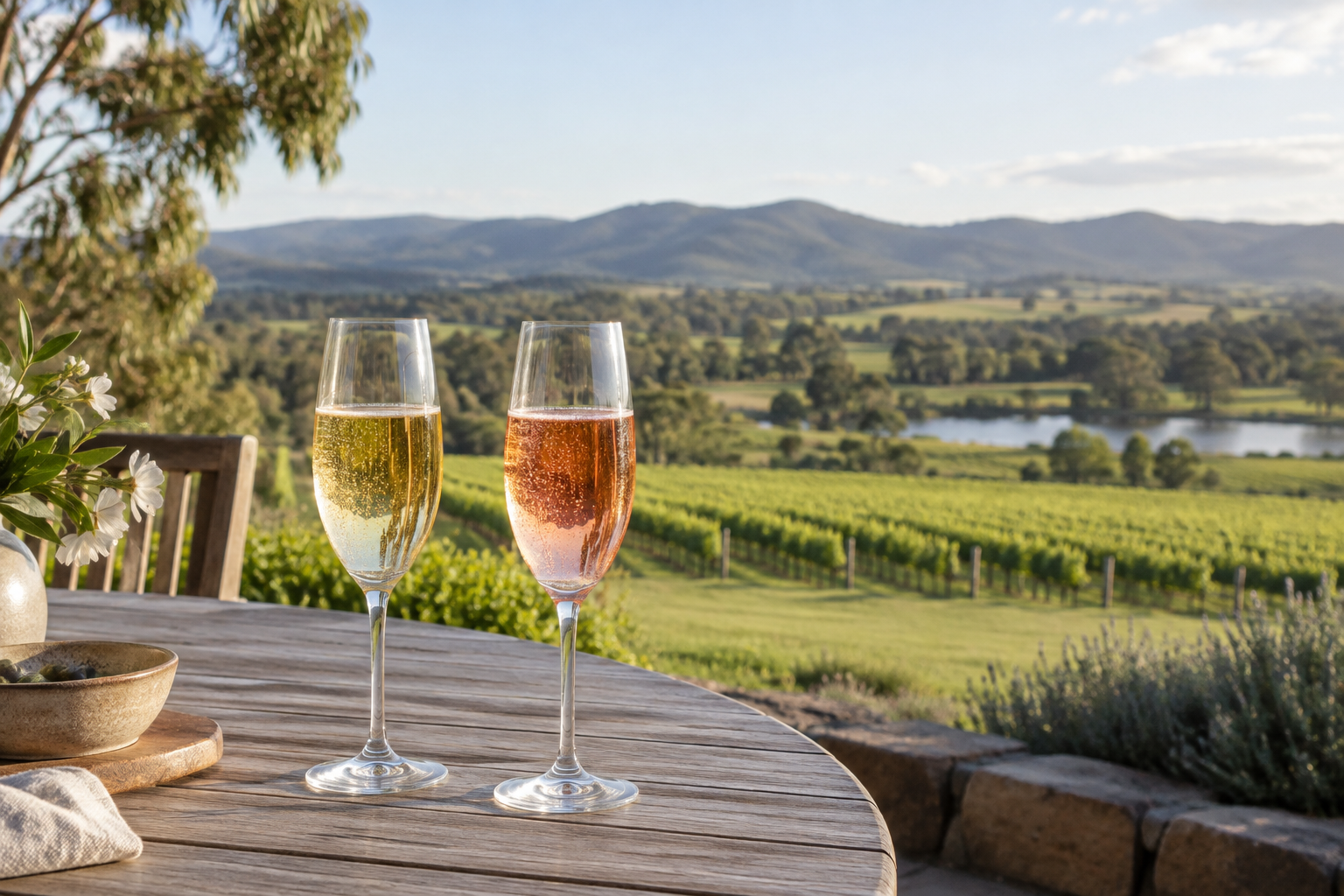
At Chandon Yarra Valley, start with Chandon Brut if you want a classic, dry sparkling wine, then try Brut Rosé for a red-fruit comparison. If available, add a vintage-labelled Brut or Blanc de Blancs to explore a different expression; choose Garden Spritz when you want an orange-led aperitif rather than a straight sparkling-wine comparison.
The best choice depends on whether you enjoy freshness, fruit, developed flavours or a bittersweet cocktail-style drink. Here is how to make that choice without relying on the label colour or assuming the most expensive bottle will suit you best.
Domaine Chandon Yarra Valley: the sparkling-wine context
Chandon’s Australian estate is in Coldstream, in Victoria’s Yarra Valley. Established in 1986, it is also widely known as Domaine Chandon and is associated particularly with sparkling wine made using the traditional method.
That method involves a second fermentation in the bottle, which creates the bubbles. Ageing on the lees—the spent yeast cells—can contribute bread-like aromas and a rounder texture, alongside the wine’s fruit and acidity.
Chardonnay and Pinot Noir are important varieties in Chandon’s Australian sparkling wines. However, a cellar door’s location is not a guarantee that every grape in every bottle comes from the surrounding valley: check the individual wine’s origin if regional sourcing matters to you.
These are Australian sparkling wines, not Champagne. Champagne is a protected regional name for wines from Champagne in France, even though traditional-method Australian wines share some production techniques.
For broader regional context, see our guide to Yarra Valley vineyards and cellar doors.
Chandon Yarra Valley: which wine matches your taste?
Treat the following as a guide to recognisable Chandon styles, not a guaranteed tasting menu. Current releases, vintages, stock and the wines included in each experience can change.
| Wine or style | Choose it if you enjoy | What to compare | Food direction |
|---|---|---|---|
| Chandon Brut | Dry, fresh, versatile sparkling | Citrus and orchard fruit, acidity and texture | Oysters, salty snacks, fried food |
| Chandon Brut Rosé | Sparkling with red-fruit character | Berry aromas, savouriness and finish | Salmon, charcuterie, poultry |
| Vintage-labelled Brut | More detail or developed flavours | Fruit, lees character and balance | Roast chicken, mushroom dishes |
| Blanc de Blancs, when offered | Chardonnay-led sparkling | Citrus, finesse, acidity and texture | Shellfish, delicate fish dishes |
| Chandon Garden Spritz | Orange-led, bittersweet aperitifs | Citrus bitterness, sweetness and refreshment | Olives, nuts, antipasto |
Chandon Brut: the most useful starting point
Brut is the sensible first glass because it gives you a reference for everything that follows. Chandon’s classic Australian Brut is built around Chardonnay and Pinot Noir, bringing together freshness, fruit and structure.
Look for the relationship between citrus or orchard-fruit flavours and bread-like notes rather than trying to identify a long list of aromas. Does the wine feel crisp and light, or relatively rounded? Does the finish leave you wanting food?
“Brut” describes a sweetness category, not a grape variety. It generally indicates a dry style, although ripe fruit and texture can make a Brut taste softer than you expect.
Choose it when you want a versatile bottle for an aperitif or a meal. If you are buying only one wine without knowing everyone’s preferences, this is a sensible starting point—not a guarantee that every drinker will prefer it.
Chandon Brut Rosé: compare flavour, not just colour
Rosé is worth trying beside Brut because the difference is easier to understand in a direct comparison. Look for red-berry character, a possible savoury edge and any change in weight or texture.
Pink does not automatically mean sweet. A Brut Rosé can be dry, so ask about sweetness separately if that is your main buying criterion.
The colour also does not reliably tell you how intensely fruity the wine will taste. Pay more attention to its aroma, acidity and finish.
Choose rosé if you enjoy red-fruit flavours or want sparkling wine with salmon, poultry or charcuterie. It is also useful when you like the freshness of Brut but want a different flavour emphasis rather than simply a richer version.
Vintage-labelled Brut: explore detail rather than status
A vintage-labelled sparkling wine carries a stated harvest year. It offers a different comparison from a non-vintage wine, which often blends wines from more than one harvest to maintain a consistent house style.
When a Chandon vintage Brut is available, ask how it differs from the current non-vintage Brut. Relevant differences may include fruit selection, blend, ageing and the character of the growing season.
Look for whether the wine shows more developed bread, toast or nut-like notes, and whether those flavours remain balanced by fresh fruit and acidity. An older vintage is not automatically better, and a vintage label does not by itself guarantee a richer wine.
This is a worthwhile extra tasting if you already know you enjoy traditional-method sparkling and want to understand why two bottles from the same producer taste different.
Blanc de Blancs: the Chardonnay comparison
Blanc de Blancs means “white from whites”: sparkling wine made from white grapes. Chandon’s Blanc de Blancs releases provide a Chardonnay-focused alternative to blends that include Pinot Noir.
If one is on the current list, compare it with Brut. Look for citrus character, the shape of the acidity and how the texture changes as the wine warms slightly in the glass.
Do not assume Chardonnay-only sparkling must be extremely light. Fruit ripeness, winemaking and ageing can produce considerable texture and developed flavours.
Choose this style if you enjoy Chardonnay, precise acidity or sparkling with seafood. Ask which vintage is being served and whether the same release is available to purchase, rather than assuming the tasting bottle and retail stock are identical.
Chandon Garden Spritz: a different kind of choice
Garden Spritz combines Chandon sparkling wine with orange bitters. It belongs in the aperitif conversation, but it is not the best glass for assessing the subtle differences between traditional sparkling wines.
Its orange-led, bittersweet profile changes the comparison. Taste straight sparkling first, then move to Garden Spritz so the stronger citrus and bitter flavours do not dominate your palate beforehand.
It is designed to be served over ice; follow the producer’s serving and garnish guidance rather than treating it like a bottle of Brut.
Choose it if you enjoy spritz-style drinks and want a ready-made aperitif. If your main interest is winemaking, prioritise the straight sparkling wines and leave this as an optional final contrast.
How to get more from a wine tasting in the Yarra Valley
For a useful wine tasting Yarra Valley experience, compare a small number of wines deliberately rather than chasing the longest flight.
A practical order is:
- Start with Brut. Establish your reference for freshness, fruit and texture.
- Compare Blanc de Blancs or vintage Brut if offered. Ask the host which order best suits the actual wines.
- Try Brut Rosé. Notice flavour and structure without assuming sweetness from colour.
- Finish with Garden Spritz, if included. Keep its stronger aperitif flavours until last.
Use three questions for every glass: What fruit character do I notice? How fresh or rounded does it feel? Would I prefer it alone or with food?
Take a brief note before the next pour. “Crisp, citrus, seafood” is more useful when shopping later than an ambitious tasting note you cannot remember.
Ask whether a wine’s flavour difference comes mainly from its grapes, blend, ageing or sweetness. Those answers help you identify a preference you can use at other cellar doors.
Spitting is normal at wine tastings. It allows you to assess more wines without drinking every sample, though it should not be treated as a guarantee that you are safe to drive.
Food matches: use salt, richness and intensity
Sparkling wine is not limited to celebrations or a glass before lunch. Acidity and bubbles make many styles useful with salty or rich food.
For Brut, start with oysters, crisps or lightly fried dishes. Salt and richness provide a clear contrast with the wine’s freshness.
For Brut Rosé, try salmon, charcuterie or poultry. Red-fruit character can make it a useful bridge between delicate seafood and more savoury dishes.
For vintage sparkling, consider roast chicken, mushrooms or dishes with buttery elements, especially when the wine shows developed, bread-like flavours.
For Blanc de Blancs, delicate fish and shellfish are sensible starting points. A richer, more mature example may also suit creamy dishes.
These are pairing directions, not claims about Chandon’s current menu. Check the food available with your chosen experience. For the distinction between a tasting visit and a meal, read our comparison of Chandon tasting and dining options.
Know before you go to Chandon in Coldstream
Chandon is on Maroondah Highway in Coldstream, making it a practical stop within a Yarra Valley itinerary. It is not in the Dandenong Ranges, so allow for the separate journey if your day includes mountain villages or forest walks.
Before leaving, confirm these details through Chandon’s current official visitor information:
- Your booking type: a wine tasting, drinks visit and dining reservation may have different inclusions.
- The wines being poured: do not assume every bottle discussed here appears in your flight.
- Group arrangements: larger parties may need a different booking process.
- Food availability: check whether you need a separate reservation and advise dietary requirements.
- Access needs: confirm step-free routes, seating and other facilities relevant to your group.
- Children and non-drinkers: ask about the conditions and options for your particular experience.
Do not assume a tasting includes a winery tour or access to production areas. Equally, vineyard views are not permission to walk between the vines; follow the venue’s visitor guidance.
Arrange transport before booking multiple cellar doors. A designated driver, pre-booked transfer or suitable tour is more dependable than hoping transport will be available when you finish. Check the return journey as carefully as the outward one.
Keep wine purchases out of a hot parked car. In warm weather, an insulated carrier and a prompt journey home are more useful than leaving bottles in the boot while adding several afternoon stops.
Build a nearby itinerary around one useful contrast
Chandon’s sparkling focus makes it a useful starting point, but your next stop should add something different rather than repeat the same experience.
Oakridge, also in Coldstream, offers a comparison through its still-wine range. Our guide to Oakridge’s wines and vineyard sites explains what to look for before choosing a visit.
Other Yarra Valley Pass partners in the broader area include Dominique Portet, Coldstream Hills Cellar Door and Punt Road Wines. Confirm each venue’s visitor arrangements independently; proximity does not mean matching hours or walk-in availability.
Two well-chosen cellar-door visits with time for lunch usually provide a clearer tasting experience than a crowded schedule. Use our town-by-town guide to planning a Yarra Valley wine day to keep the route geographically sensible.
Support local while planning your day
Yarra Valley Pass rewards participation across the Yarra Valley and Dandenong Ranges: members earn Yarra Credits and redeem them for member rewards on this website. Browse the participating local businesses and check the relevant conditions before planning around an offer; do not assume every winery visit qualifies.
The best first choice
Start with Chandon Brut, then choose the comparison that answers your own question: rosé for red-fruit character, Blanc de Blancs for Chardonnay, or vintage Brut for a different expression of traditional-method sparkling. Keep Garden Spritz for the aperitif comparison, and let the current wine list—not an assumed menu—shape your visit.
Frequently asked questions
Which Chandon Yarra Valley wine should I try first?
Chandon Brut is a useful starting point because it provides a reference for freshness, fruit and texture. Compare it with Brut Rosé, or add a vintage Brut or Blanc de Blancs if available in your chosen tasting.
Are Chandon Yarra Valley and Domaine Chandon the same place?
In the Yarra Valley context, both names commonly refer to Chandon’s Australian estate in Coldstream, Victoria. Check that your booking is for the Australian property, as Chandon also operates internationally.
Is Chandon Brut Rosé sweeter than Chandon Brut?
Pink colour does not establish sweetness. Both are labelled Brut, indicating a dry style, but fruit character, acidity and texture can affect how sweet they seem. Ask about the specific releases if sweetness is important to you.
What is the difference between Chandon Brut and Garden Spritz?
Chandon Brut is a straight sparkling wine. Garden Spritz combines Chandon sparkling wine with orange bitters for an orange-led, bittersweet aperitif designed to be served over ice. Taste Brut first if you want to compare wine characteristics.
Do I need to book a Chandon wine tasting?
Check Chandon’s current official booking information before travelling. Requirements and availability can differ between tastings, dining and group visits. Confirm the experience you want rather than assuming that arriving at the estate guarantees a tasting.
Related reading
- Soumah Wines: Italian varieties, estate labels and visiting the vineyard
- Oakridge Pinot Noir: Willowlake, Henk, Hazeldene and 864 Explained
- Affordable Yarra Valley Chardonnay: entry-level wines compared
- Levantine Hill Pinot Noir: Colleen’s Paddock and 2016–2019 Vintages
- Top wineries in Yarra Valley: 10 benchmark producers and why they matter
- Tokar Estate Tempranillo: Wine Style, Food Pairings and Cellar Door