Levantine Hill Pinot Noir: Colleen’s Paddock and 2016–2019 Vintages
· Yarra Valley Pass
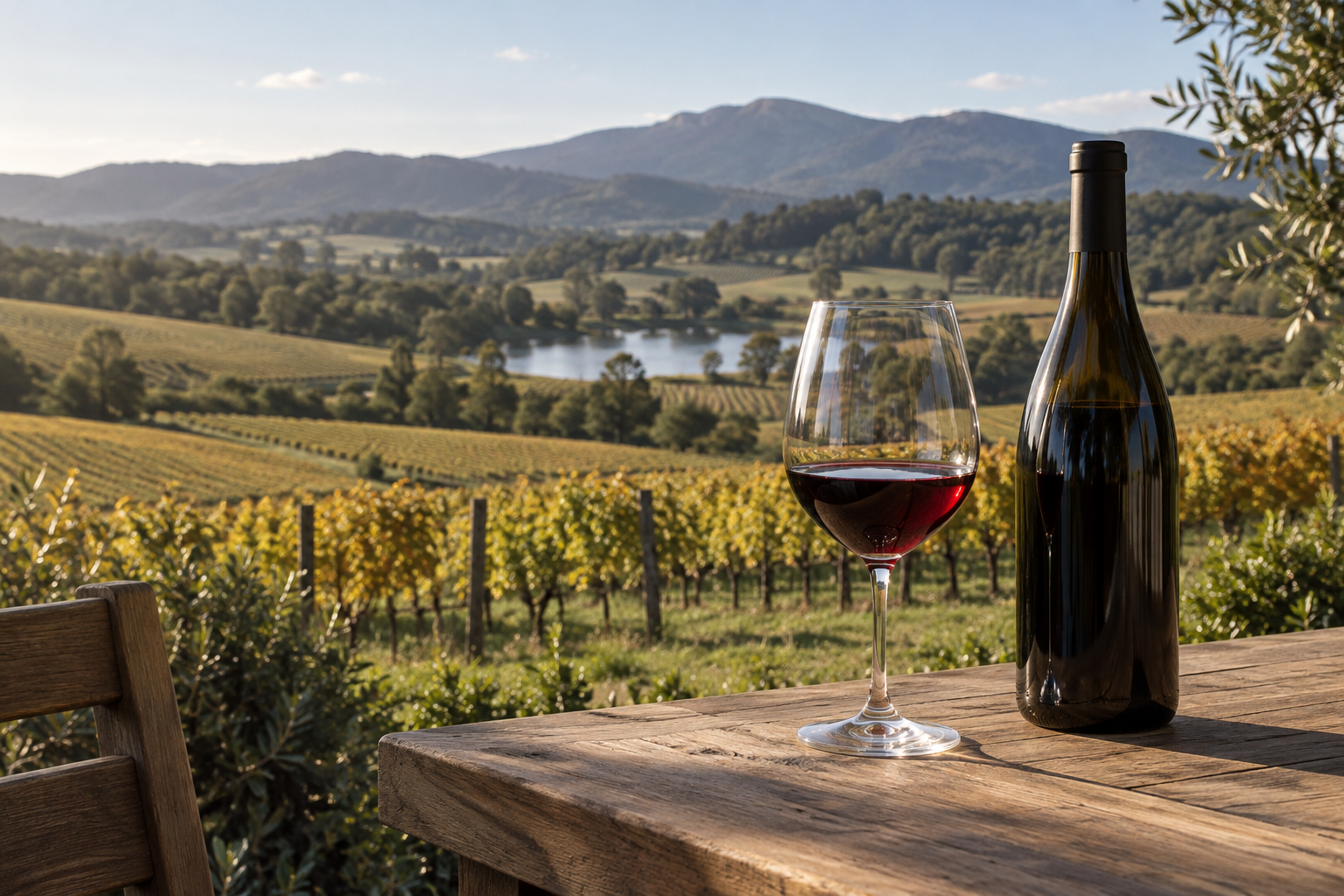
Levantine Hill Pinot Noir is a Yarra Valley wine, with Colleen’s Paddock a distinct named-paddock bottling rather than another name for every Pinot Noir in the producer’s range. When comparing the 2016, 2017, 2018 and 2019 vintages, identify the exact label first, then assess storage and condition: the vintage alone cannot tell you how an older bottle will drink.
Levantine Hill Pinot Noir: understand the label first
Levantine Hill is based in Coldstream, in the Yarra Valley east of Melbourne. Its Pinot Noir sits within a region known for wines that can combine red-fruit character, freshness and savoury complexity, although vineyard location and winemaking create considerable variation.
The first buying decision is not necessarily 2016 versus 2019. It is which Levantine Hill bottling you are comparing.
A retailer may shorten a wine’s name in a product heading. A listing titled “Levantine Hill Pinot Noir 2016” therefore needs closer inspection before you compare it with a clearly identified Colleen’s Paddock bottle.
Look for:
- The complete front-label name, including Estate or Colleen’s Paddock where applicable.
- The vintage printed on the actual bottle, not just the webpage heading.
- The back label, which can help confirm the wine’s identity and regional designation.
- A matching vintage-specific technical sheet, if you want details such as maturation or alcohol level.
What is Levantine Hill Colleen's Paddock Pinot Noir?
Levantine Hill Colleen's Paddock Pinot Noir is a separately named, premium bottling within the producer’s range. Treat it as its own wine when researching tasting notes, prices or drinking recommendations.
Do not transfer a review of an Estate Pinot Noir to Colleen’s Paddock, even when both bottles share a vintage. Likewise, a Colleen’s Paddock review from another year does not establish the character of the bottle you are buying. Selection and winemaking details should be checked against information for that particular release.
Comparing the 2016–2019 vintages
Vintage conditions provide useful context, but they are not a substitute for a producer’s release notes or a bottle’s history. The following comparison describes broad Yarra Valley seasonal patterns, not verified tasting notes for each Levantine Hill wine.
| Vintage | Broad Yarra Valley context | How to use that information |
|---|---|---|
| 2016 | A warm season with an early harvest | Investigate the wine’s current maturity rather than assuming warmth means it is still powerful or youthful. |
| 2017 | A cooler, later season than 2016 | Freshness and structure are useful points to explore in release notes, but acidity alone does not guarantee longevity. |
| 2018 | Generally favourable growing and ripening conditions | Read the exact wine’s notes rather than relying on the vintage’s positive regional reputation. |
| 2019 | Hot, dry summer conditions | Check how the producer describes balance and ripeness; do not assume every vineyard produced the same style. |
A meaningful comparison keeps the producer and bottling constant. Comparing Estate Pinot Noir 2017 with Colleen’s Paddock 2019 changes both the year and the wine, so differences cannot be attributed to vintage alone.
Levantine Hill Colleen's Paddock Pinot Noir 2016
For anyone searching specifically for Levantine Hill Colleen's Paddock Pinot Noir 2016, provenance deserves as much attention as the label’s reputation.
An older Pinot Noir can develop savoury, earthy and dried-fruit nuances as its primary fruit recedes. Those are possible developments, not confirmed tasting notes for this release. A well-stored bottle may retain freshness and detail; a poorly stored one may taste tired regardless of its original quality.
Ask whether the bottle has remained in temperature-controlled storage, whether the seller acquired it directly or through a secondary market, and whether current photographs are available.
If you already own a bottle, opening one before planning a special dinner or buying more is more informative than relying on an old review. The practical question is how your bottle has developed.
Levantine Hill Pinot Noir 2016
A search for Levantine Hill Pinot Noir 2016 may return different bottlings or abbreviated listings. Resolve that ambiguity before interpreting a score or comparing asking prices.
The region’s warm, early season is useful background, but it does not establish the wine’s present condition. For drinking now, favour a documented storage history over an impressive description written at release.
If buying several bottles from one source, ask whether they came from the same original purchase and storage location. Mixed provenance can produce noticeably different results even within the same vintage.
Levantine Hill Pinot Noir 2017
The cooler, later regional season makes Levantine Hill Pinot Noir 2017 an interesting comparison with 2016. However, “cooler vintage” should not automatically become “lighter wine” or “longer-lived wine”.
Picking decisions, fruit selection and maturation also shape the result. Look for vintage-specific information about balance and structure, and check when any review was written. A tasting note recorded shortly after release describes a different stage of development from a bottle opened today.
Levantine Hill Pinot Noir 2018
Levantine Hill Pinot Noir 2018 belongs to a generally well-regarded Yarra Valley growing season. That makes it worth investigating, but regional praise is not proof that every bottle is superior to neighbouring vintages.
If choosing between 2017 and 2018, compare recent notes for the same bottling where available. Pay attention to descriptions of remaining fruit, freshness and maturity rather than treating an original score as a complete buying recommendation.
Levantine Hill Pinot Noir 2019
For Levantine Hill Pinot Noir 2019, hot and dry regional conditions are relevant background, not a ready-made flavour description. Vineyard exposure, harvest timing and winemaking can moderate or accentuate seasonal effects.
It is also unwise to assume that the youngest of these four vintages is automatically the best purchase. A sound 2016 bottle can be more rewarding than a heat-affected 2019. Decide whether you want developed savoury character or more remaining primary fruit, then seek evidence about the actual wine.
Buying an older bottle: a practical checklist
Back-vintage Pinot Noir is best bought with enough information to judge both identity and risk. Before paying, request the following:
- Photographs of the bottle being sold. A generic product image confirms very little about condition.
- Storage history. A stable, cool environment is more reassuring than an unspecified cupboard or garage.
- Fill-level and closure photographs. Compare fill levels with bottles of the same shape. Visible leakage or an unusually displaced cork warrants questions.
- The seller’s condition policy. Understand how faulty or misdescribed bottles are handled before purchase.
- Any traceable review being quoted. Confirm the producer, complete wine name, vintage, reviewer and tasting date.
Sediment alone is not evidence of a fault. Mature red wine can develop deposits naturally. Conversely, an attractive label does not reveal whether a bottle has experienced damaging heat.
There is no dependable universal price for these vintages: bottling, condition, seller and availability all matter. Compare like with like rather than treating the cheapest search result as the best value.
Serving mature Pinot Noir without losing its detail
A practical starting temperature is around 14–16°C, allowing the wine to warm gradually in the glass. This is general Pinot Noir serving advice, not a vintage-specific instruction from Levantine Hill.
Australian room temperature can be too warm, especially in summer. Brief chilling is preferable to serving a mature red wine noticeably warm, when alcohol can become more prominent.
For an older bottle:
- Stand it upright ahead of serving if sediment is visible.
- Open it carefully and taste a small pour before deciding whether to decant.
- Use a clean glass with enough bowl space to explore the aromas.
- Keep the bottle away from direct sun and heat during the meal.
Decanting is a decision, not a rule. If the wine is expressive immediately, serving from the bottle may be best. If sediment needs separating, decant gently and avoid unnecessarily prolonged exposure to air.
A muted first pour does not always mean the wine is finished, but aggressive aeration will not repair oxidation or cork taint. Observe how it changes over a short period before making a judgement.
Food pairings for Colleen’s Paddock and other mature releases
Choose dishes that leave room for the wine’s detail rather than overwhelming it with chilli, sweetness or heavy smoke.
Useful options include:
- Roast duck with restrained seasoning: richness suits Pinot Noir without requiring a sweet sauce.
- Mushroom risotto: earthy flavours can complement savoury development.
- Roast chicken with thyme: a flexible match when the bottle’s style is uncertain.
- Salmon with lentils: suits a lighter, fresher expression.
- Roasted beetroot and mushrooms: a substantial vegetarian option, with sweet glazes kept modest.
For a special older bottle, simplicity helps. A highly reduced sauce or very sweet condiment can dominate a wine whose fruit has softened with age.
Where it fits within Yarra Valley Pinot Noir
Yarra Valley Pinot Noir is not a single style. Altitude, slope, exposure, soil and harvest decisions all influence the wine, alongside the producer’s approach to extraction and maturation.
Our guide to Yarra Valley Pinot Noir producers, vineyards and vintages provides the broader regional framework.
For another example of why range names matter, see the comparison of De Bortoli Villages, Estate Vineyard and Riorret Pinot Noir. If your interest is vineyard-specific Pinot, the Giant Steps Applejack vineyard and vintage guide offers another useful reference point.
These are comparisons of labelling and vineyard context, not claims that the wines are interchangeable. A side-by-side tasting is most informative when you change one variable at a time.
Know before you go to Levantine Hill
Levantine Hill is in Coldstream on Maroondah Highway. For a visit centred on Pinot Noir, check the winery’s current information before travelling.
Confirm:
- Whether a tasting requires a booking.
- Which Pinot Noir labels are currently available to taste.
- Whether Colleen’s Paddock or any back vintages are included.
- Whether dining and wine tasting need separate arrangements.
- Current availability and any applicable tasting conditions.
Do not assume that a bottle listed by an independent retailer will also be available at the winery, or that older vintages will be poured during a standard tasting.
Keep the itinerary realistic and arrange a designated driver or suitable transport. Coldstream can form part of a wider Yarra Valley wine day, but multiple long lunches and tightly spaced appointments rarely make a relaxed itinerary.
Make local participation rewarding
Yarra Valley Pass rewards participation across the Yarra Valley and Dandenong Ranges. Members earn Yarra Credits and redeem them for member rewards on this website. When planning additional stops, browse the local partner businesses and check current participation conditions rather than assuming every winery visit qualifies.
The takeaway
Start with the exact Levantine Hill label, then compare vintage context, provenance and present condition. Colleen’s Paddock deserves its own research, and no year from 2016–2019 is automatically the best: the most rewarding choice is a sound bottle that suits how you want to drink it.
Frequently asked questions
Is Levantine Hill Colleen’s Paddock Pinot Noir the same as Estate Pinot Noir?
No. Colleen’s Paddock is a separately named bottling within Levantine Hill’s range. Check the complete bottle label before comparing reviews, prices or vintages, because retailer headings sometimes abbreviate wine names.
Is Levantine Hill Colleen’s Paddock Pinot Noir 2016 ready to drink?
It is a back-vintage bottle worth assessing for drinking, but there is no reliable answer without knowing its storage and condition. A well-stored bottle may offer developed complexity; opening one is the best guide if you own several.
Which Levantine Hill Pinot Noir vintage is best: 2016, 2017, 2018 or 2019?
There is no defensible universal winner. Compare the same bottling across years, consider recent tasting information, and prioritise provenance. Broadly, 2016 was warm and early, 2017 cooler and later, 2018 generally favourable, and 2019 affected by hot, dry summer conditions.
Should I decant an older Levantine Hill Pinot Noir?
Taste it first. Decant gently if you need to separate sediment, but avoid automatically giving mature Pinot Noir prolonged aeration. If the wine is already expressive, serving directly from the bottle may preserve its detail.
Can I taste the 2016–2019 vintages at Levantine Hill?
Do not assume these older vintages are available in a standard tasting. Contact the winery or check its current tasting information to confirm the labels being poured, back-vintage availability and booking requirements.
Related reading
- Soumah Wines: Italian varieties, estate labels and visiting the vineyard
- Oakridge Pinot Noir: Willowlake, Henk, Hazeldene and 864 Explained
- Affordable Yarra Valley Chardonnay: entry-level wines compared
- Top wineries in Yarra Valley: 10 benchmark producers and why they matter
- Tokar Estate Tempranillo: Wine Style, Food Pairings and Cellar Door
- Yarra Valley Chardonnay 2018: Vintage, Ageing and What to Buy