Tokar Estate Tempranillo: Wine Style, Food Pairings and Cellar Door
· Yarra Valley Pass
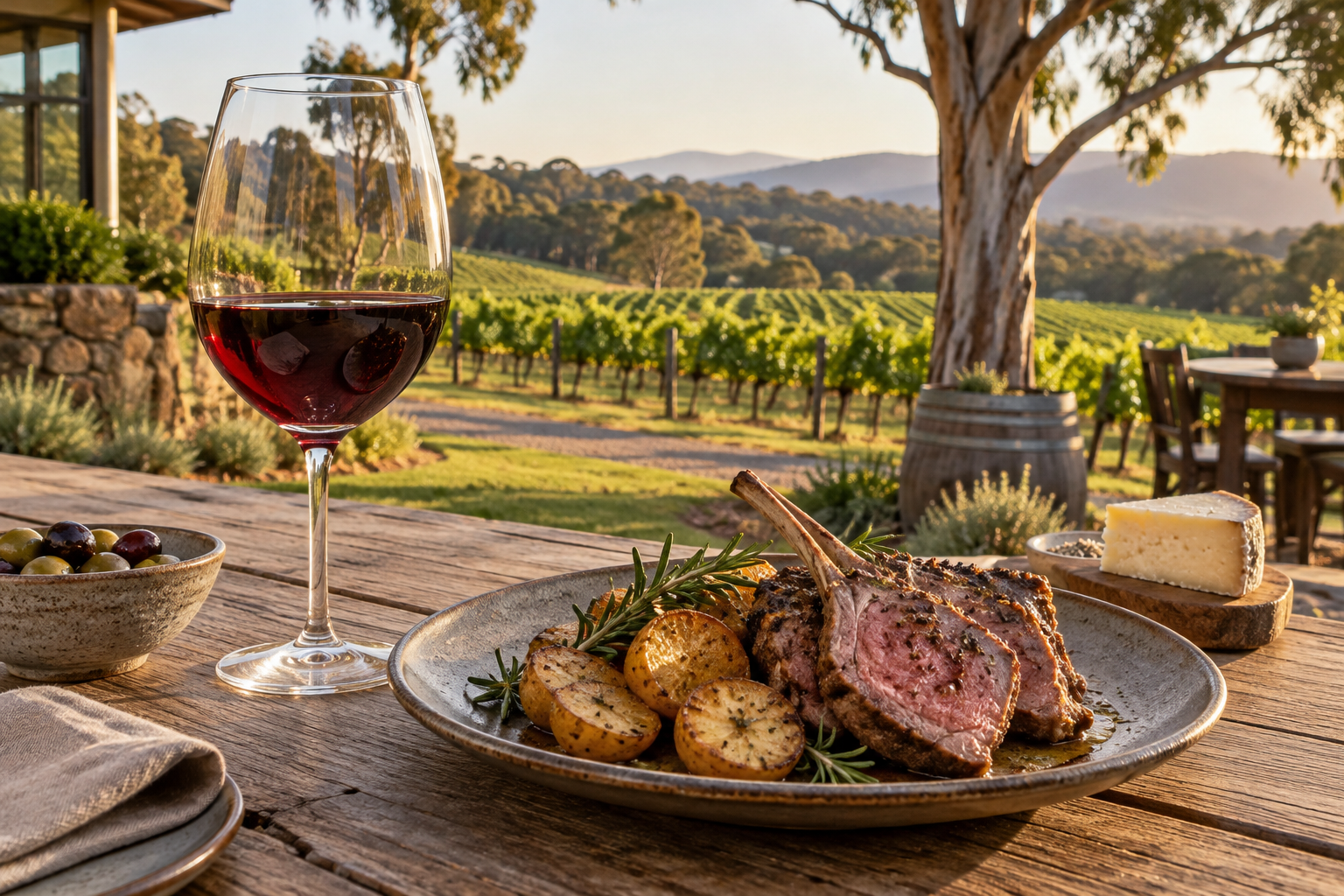
Tokar Estate Tempranillo is a Yarra Valley red wine made from the Spanish Tempranillo grape, a variety associated with plum and cherry fruit, savoury flavours and a tannic structure suited to food. Roast lamb, mushroom dishes and firm cheeses are useful pairing starting points, although the best match depends on the bottle’s age and style. Tokar Estate winery is on Maddens Lane in Coldstream; check current tasting arrangements and wine availability before visiting.
Tokar Estate Tempranillo: understanding the wine style
Tempranillo is closely associated with Spain’s Rioja and Ribera del Duero regions. Its name comes from the Spanish temprano, meaning early, referring to its relatively early ripening compared with some other Spanish varieties.
At Tokar Estate, it gives visitors an opportunity to explore something beyond the Pinot Noir, Cabernet Sauvignon and Shiraz commonly encountered around the Yarra Valley.
As a tasting framework, look for:
- Fruit: cherry and plum, moving towards darker fruit in richer expressions.
- Savoury notes: dried herbs, tobacco or leather, particularly as a wine develops.
- Structure: tannins that create a drying sensation around the gums and cheeks.
- Oak influence: possible cedar, vanilla or toast, depending on how the particular wine was matured.
These are reference points for the grape, not a guaranteed tasting note for every Tokar Estate release. Vintage conditions, winemaking and bottle age can change the balance considerably.
Check the full label and vintage when buying. A retailer’s page simply headed “Tokar Estate Tempranillo” may not give you enough information to distinguish releases or understand the bottle’s maturity.
How it compares with other Yarra Valley red wine
Tempranillo can appeal to drinkers who enjoy the structure of Cabernet Sauvignon but want a different fruit and savoury profile. It can also suit Shiraz drinkers looking beyond pepper and spice.
The comparisons below describe broad varietal tendencies, not fixed rules for every producer.
| Variety | Useful flavour reference points | Typical structural impression | Food pairing starting point |
|---|---|---|---|
| Tempranillo | Cherry, plum, dried herbs; leather with development | Moderate to firm tannins; often medium- to full-bodied | Roast lamb, mushrooms, firm cheese |
| Pinot Noir | Red cherry, strawberry, earthy notes | Usually lighter-bodied, with finer tannins | Duck, salmon, mushroom dishes |
| Cabernet Sauvignon | Blackcurrant, leafy notes, cedar where oak-influenced | Firm tannins and a defined structure | Beef, lamb, hard cheese |
| Shiraz | Dark berries, plum, pepper or spice | Medium- to full-bodied, with variable tannin weight | Barbecue, sausages, slow-cooked meat |
For the broader regional picture, explore our guide to Yarra Valley Cabernet Sauvignon, Shiraz and blends.
During a tasting, compare texture as well as aroma. Does the Tempranillo feel firmer, rounder or more savoury than the other reds? Those observations are often more useful for choosing dinner than deciding whether you can identify a particular fruit.
Food pairings that make sense for Tempranillo
The most dependable approach is to match the wine’s tannins and intensity to the dish, then consider seasoning. Richness, browned flavours and savoury ingredients generally provide a better starting point than delicate food or very sweet sauces.
Roast lamb and slow-cooked meat
Roast lamb shoulder with garlic, rosemary and potatoes is a strong starting point. The meat’s richness helps balance the drying impression of tannins, while roasted edges and herbs work with the wine’s savoury side.
For a younger, firmer bottle, choose a substantial preparation rather than a delicate lamb salad. Slow-cooked beef or lamb with a reduced savoury sauce can also work well.
Keep sticky sweetness in check. A heavily sweetened glaze can make a dry red taste sharper and less generous.
Mushrooms, lentils and roasted vegetables
Meat is not essential. Try browned mushrooms over lentils, mushroom ragù with pasta, or roasted aubergine with chickpeas and a restrained amount of smoked paprika.
Build some richness into the dish with olive oil, butter or cheese, according to your preferences. A very lean mushroom preparation can leave firm tannins more exposed; browned mushrooms with a little fat provide a better balance.
Avoid overwhelming a mature bottle with excessive smoke or spice. Its subtler flavours deserve room to show.
Cheese, cured meats and tomato-based dishes
Manchego is a natural Spanish reference point. Mature cheddar or another firm, savoury cheese can be equally practical for an Australian table. Add bread and roasted capsicum rather than a large serving of sweet chutney.
For pasta, sausage and tomato ragù is usually a more forgiving match than a sharp, lightly dressed tomato dish. Taste the wine alongside the sauce: noticeable acidity in the food can change how the wine presents.
Hot chilli needs more caution. Alcohol can amplify the sensation of heat, so smoked paprika and mild spice are safer starting points than an aggressively hot sauce.
Serving temperature, decanting and leftovers
Serve Tempranillo slightly cooler than a warm dining room: around 15–18°C is a useful starting range. An overheated red can seem more alcoholic and less precise, while a very cold one may feel closed and tannic.
If the bottle has been sitting in a warm kitchen, give it a short spell in the fridge and check it as it cools. There is no universal cooling time because bottle temperature and fridge settings vary.
For decanting:
- Young, firm wine: taste on opening. If it seems tight, try 30 minutes in a decanter, then reassess.
- Older wine: stand it upright ahead of opening if sediment is present, and pour carefully.
- Delicate mature wine: avoid automatically giving it a long decant; prolonged air exposure can diminish its remaining fruit.
Decanting will not turn a strongly tannic wine into a soft one. Food may make the bigger difference.
Reseal leftovers and refrigerate them. Aim to drink them over the next two or three days, allowing the wine to warm slightly before serving. Older bottles may lose freshness sooner.
If you are comparing serving approaches, our Luke Lambert Crudo Shiraz guide offers another red-wine reference point.
What to ask at the Tokar Estate cellar door
A cellar door tasting is valuable because you can connect the wine in your glass with its intended use. Tell the team whether you are choosing a bottle for dinner, a gift or longer-term storage.
Useful questions include:
- Which Tempranillo vintage is currently available? The wine being poured may differ from an older bottle you have seen online.
- Are there different Tempranillo bottlings available? If so, compare their labels and intended styles rather than assuming one is simply an older version of another.
- How was this release matured? Ask about oak use and maturation, especially if you prefer fruit-led wines over overtly oaky ones.
- Is it drinking well now? Ask for advice on the specific release, not Tempranillo in general.
- What would you serve with it? A suggested dish can clarify whether the team sees it as youthful and structured, mature and savoury, or especially rich.
Taste before buying when possible. Notice the fruit first, then acidity, tannins and finish. A second sip after a little time in the glass can reveal whether the wine is opening up.
Use water between wines and the spittoon if you want to assess several pours without consuming them all. Spitting is a tasting tool, not a guarantee that driving afterwards is safe.
Know before you go: visiting Tokar Estate winery
Tokar Estate is on Maddens Lane in Coldstream, within the Yarra Valley’s established winery area. It is a practical location for a focused Coldstream outing rather than an itinerary that tries to cover the entire valley.
Before setting off, confirm directly with the winery:
- Current cellar door opening days and tasting times.
- Whether bookings are required or recommended for your group.
- Tasting charges and any conditions attached to them.
- Whether Tempranillo is included in the available tasting.
- Restaurant service times and dining availability if you plan to eat there.
- Access arrangements if anyone in your group has mobility requirements.
Do not assume restaurant and cellar door services operate on identical schedules. A lunch reservation also should not be treated as a tasting booking unless that has been confirmed.
Allow time between stops, especially around lunch. Although wineries may look close on a map, rural roads, driveways and parking add time. Arrange a designated driver or suitable transport if you intend to drink.
Buying a bottle: current releases versus older vintages
A current release is usually the simplest choice when you can taste it first and receive serving advice. An older bottle can be rewarding, but age alone does not establish quality or readiness.
For an older Tokar Estate Tempranillo, check:
- Exact identity: producer, wine name, vintage and bottle size.
- Storage history: cool, stable storage matters more than an impressive age.
- Condition: look for leakage, cork movement or an unexpectedly low fill level.
- Seller information: clear provenance and a policy for faulty wine are useful.
Label wear is not automatically a problem, but a pristine label does not prove good storage either.
Do not choose solely from a general Yarra Valley vintage rating. Tempranillo’s ripening pattern differs from other varieties, and the producer’s decisions also affect the result. Likewise, ageing advice for Cabernet-based blends should not automatically be applied to Tempranillo.
Our guide to buying older Allinda Cabernets and Shiraz explains practical checks that also help when assessing other mature reds.
Building a focused Coldstream wine outing
Keep the itinerary selective: Tokar Estate plus one other tasting and a meal can be more enjoyable than rushing through several cellar doors.
Coldstream Hills, Dominique Portet and Oakridge are options to investigate in the Coldstream area. Check each venue’s current offerings and bookings rather than assuming the same wines or experiences are always available.
For a useful comparison, taste Tempranillo alongside Cabernet Sauvignon or Shiraz elsewhere and take brief notes on three things: fruit character, tannin texture and the meal you would choose. That creates a practical record without turning the day into a hunt for technical descriptors.
If you buy wine, keep it out of a hot parked car. An insulated carrier can help, but taking purchases somewhere cool promptly is the better safeguard.
Support local while planning your visit
Yarra Valley Pass rewards participation across the Yarra Valley and Dandenong Ranges: members earn Yarra Credits and redeem them through member rewards. Browse the participating local businesses when planning other stops, and check eligible activities before you go. Do not assume a Tokar Estate visit qualifies simply because the winery is discussed here.
A different red to explore in the Yarra Valley
Tokar Estate Tempranillo is a worthwhile option when you want to look beyond the region’s more familiar red varieties. Taste the specific release, choose food that suits its structure, and confirm your cellar door plans before travelling.
Frequently asked questions
What style of wine is Tokar Estate Tempranillo?
It is a Yarra Valley red made from Tempranillo, a Spanish grape associated with cherry and plum fruit, savoury flavours and moderate to firm tannins. Medium- to full-bodied styles are common, but the exact character depends on the Tokar Estate release, vintage and bottle age.
Where is Tokar Estate winery?
Tokar Estate winery is on Maddens Lane in Coldstream, in Victoria’s Yarra Valley. Confirm current cellar door arrangements, bookings and restaurant availability directly before travelling.
What food goes well with Tokar Estate Tempranillo?
Roast lamb, slow-cooked beef, mushroom and lentil dishes, sausage ragù and firm cheeses are useful starting points. Choose richer dishes for a young, tannic bottle and gentler seasoning for a mature wine with more delicate flavours.
Should Tokar Estate Tempranillo be decanted?
Taste it first. A young bottle that seems tight may benefit from about 30 minutes of air before reassessing. An older bottle may need careful pouring to separate sediment, but a long decant can reduce the freshness of a delicate mature wine.
Can you taste Tempranillo at the Tokar Estate cellar door?
Check directly with Tokar Estate whether Tempranillo is included in the current tasting selection and which vintage is available. Also confirm booking requirements, tasting charges and opening times rather than assuming every release is always being poured.
Related reading
- Soumah Wines: Italian varieties, estate labels and visiting the vineyard
- Oakridge Pinot Noir: Willowlake, Henk, Hazeldene and 864 Explained
- Affordable Yarra Valley Chardonnay: entry-level wines compared
- Levantine Hill Pinot Noir: Colleen’s Paddock and 2016–2019 Vintages
- Top wineries in Yarra Valley: 10 benchmark producers and why they matter
- Yarra Valley Chardonnay 2018: Vintage, Ageing and What to Buy