Yarra Valley Chardonnay 2018: Vintage, Ageing and What to Buy
· Yarra Valley Pass
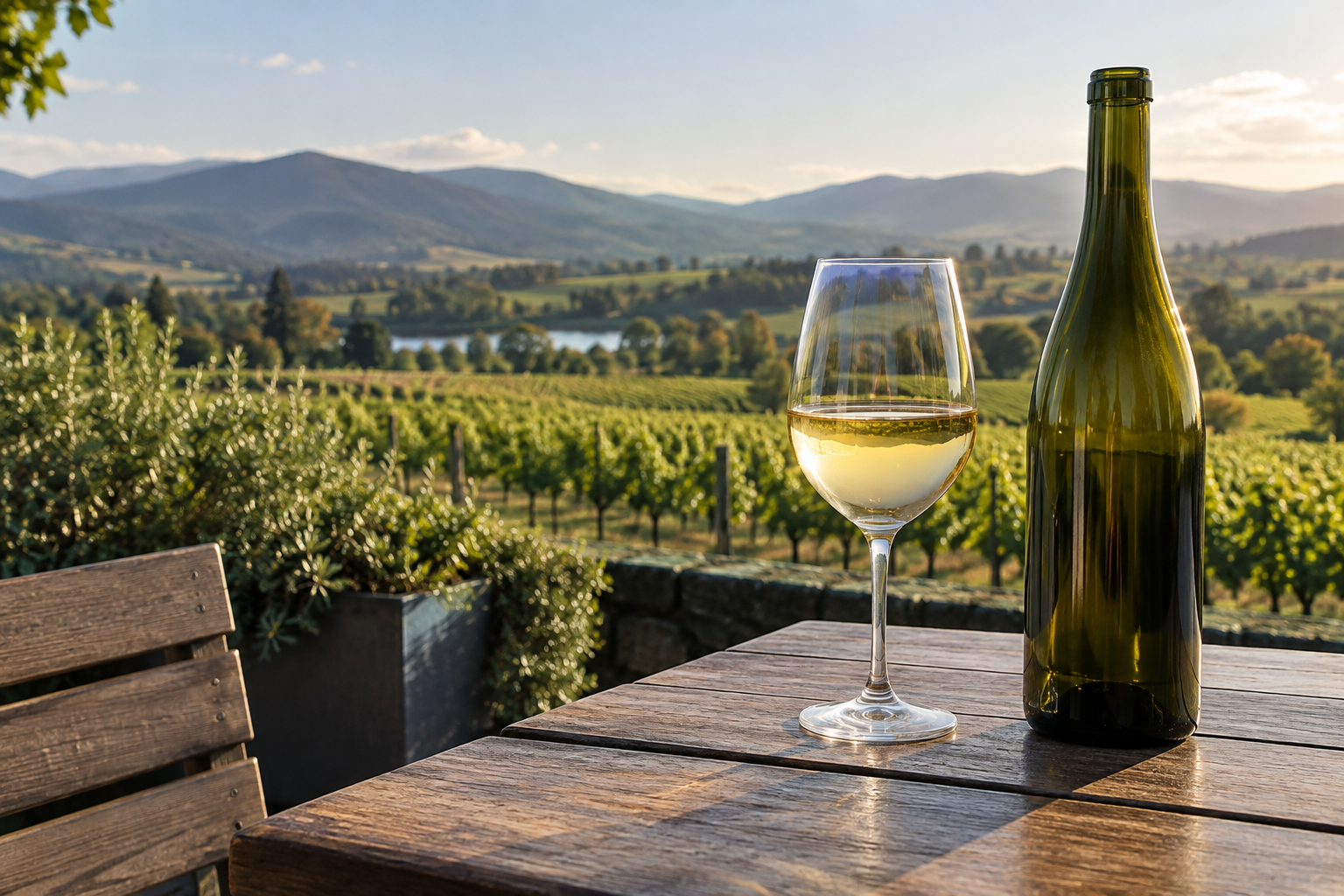
Yarra Valley Chardonnay 2018 is now an older-vintage purchase: well-stored bottles can offer layered citrus, stone fruit and savoury complexity, but condition matters more than a famous label. Warm summer conditions helped shape the vintage, although vineyard location and picking decisions produced different styles. Buy by the exact bottling and its storage history, rather than assuming every 2018 is ready—or still improving.
Yarra Valley Chardonnay 2018: what the vintage tells you
The Yarra Valley is a cool-climate wine region, but that description does not mean every vineyard experiences the same temperatures. Elevation, aspect, exposure and harvest timing all influence Chardonnay’s balance of fruit ripeness and acidity.
Warm summer conditions were a feature of 2018. For buyers, that makes ripe fruit character a reasonable expectation, not a guarantee of a heavy wine. Earlier picking, cooler sites and different winemaking choices could still produce restrained, acid-driven Chardonnay.
The distinction between the valley floor and higher, cooler sites is particularly useful. Giant Steps’ Sexton Vineyard is at Gruyere, while Applejack is at Gladysdale in the Upper Yarra. Those locations help explain why two wines from the same producer and year can develop differently.
Vintage conditions cannot tell you whether an individual bottle has survived years in a warm cupboard. Nor can they establish how much new oak was used, whether malolactic fermentation occurred or when a particular parcel was picked. Those details require the technical information for the actual wine.
For a broader introduction to regional differences, start with our guide to Yarra Valley Chardonnay producers, styles and vintages.
How should a 2018 Chardonnay taste as it ages?
A sound mature Chardonnay may retain lemon, grapefruit or stone-fruit character while developing toasted nuts, brioche and savoury complexity. Its texture can become more integrated, with oak less obviously separate from the fruit.
However, development is not the same as improvement. A wine originally intended for relatively early drinking may have lost freshness, while a more concentrated, structured bottling may remain engaging. Neither outcome follows automatically from price.
Signs of maturity versus possible deterioration
Use several clues together:
- Colour: deeper gold can be normal with age. Colour alone does not establish whether the wine is sound.
- Aroma: nuts and toast can be attractive developments; pronounced bruised apple or sherry-like aromas may indicate oxidation when unexpected for the style.
- Palate: mature wine should still have some coherence between fruit, acidity and texture. A flat, hollow finish is less encouraging.
- Cork-related faults: musty, damp-cardboard aromas warrant attention. These are not normal ageing characters.
A screwcap reduces some closure-related risks, but it cannot protect wine from prolonged heat exposure.
Treat published drinking windows as estimates made under assumed storage conditions. A window attached to a tasting note written shortly after release is not a current inspection of the bottle you are considering. For a special dinner, a well-kept younger wine can be a safer choice than a poorly documented 2018.
Which 2018 Yarra Valley Chardonnay should you buy?
The producer name is only the first filter. Confirm the complete label before comparing prices or reviews: regional, estate, reserve and single-vineyard wines are not interchangeable.
| Producer or label | Important distinction | Check before buying |
|---|---|---|
| Yarra Yering | Estate Chardonnay | Provenance and a review of the exact vintage |
| Mount Mary | Estate Chardonnay | Original purchase source and storage history |
| Coldstream Hills | Different Chardonnay bottlings exist | Full wine name, not just producer and year |
| Giant Steps | Regional and single-vineyard wines | Whether it is the regional wine, Sexton, Applejack or another named bottling |
| Levantine Hill | Range tier affects the comparison | Exact label and release information |
| Soumah | Hexham and Equilibrio distinctions matter | Complete cuvée name and matching technical information |
| Yering Station | Standard and Reserve wines differ | Whether the listing specifies Reserve |
| Toolangi | Producer name alone is insufficient | Exact bottling, vintage and bottle condition |
Yarra Yering Chardonnay 2018
Yarra Yering Chardonnay 2018 is an estate-wine option for buyers interested in how a recognised Yarra Valley producer develops in bottle. Its appeal should not obscure the practical question: where has this particular bottle been kept?
Ask for photographs, provenance and any recent condition assessment. A youthful tasting note can explain the wine’s original character, but it cannot confirm its present state. Our Yarra Yering Chardonnay guide to the 2018 vintage and older bottles explores that buying decision in more detail.
Mount Mary Chardonnay 2018
Mount Mary Chardonnay 2018 belongs on a shortlist for buyers seeking an estate Chardonnay with a reputation for restraint and ageing potential. That reputation supports considering a mature bottle; it does not make every bottle equally reliable.
For an expensive purchase, favour documented professional storage or a credible original-owner history. Check that the listing is specifically Chardonnay: Mount Mary produces several wines, and a producer-level search result is not enough to identify the bottle.
Coldstream Hills Chardonnay 2018
Coldstream Hills Chardonnay 2018 requires particularly careful label matching. Coldstream Hills Chardonnay is not a single interchangeable product across all tiers and releases.
If a seller supplies only the producer and vintage, request a clear front-label photograph. A review or price comparison for a Reserve wine should not be applied to a different bottling. Once the identity is established, compare condition and delivered cost with the same wine elsewhere—not simply with anything bearing the Coldstream Hills name.
Giant Steps Chardonnay 2018
A search for Giant Steps Chardonnay 2018 can return the regional wine or a single-vineyard bottling. Sexton and Applejack are meaningful distinctions, not decorative additions to the label.
Their different sites provide a useful starting point for understanding style, but avoid assuming one must be better or longer-lived. Vintage-specific notes and storage still matter. For a closer comparison, read our Giant Steps Sexton Vineyard and Applejack buyer’s guide.
Levantine Hill Chardonnay 2018
When comparing Levantine Hill Chardonnay 2018, identify the exact range tier before judging value. An older listing may use a shortened product name, while a review may refer to a different wine.
Levantine Hill Chardonnay is worth investigating if you enjoy a polished, textural expression of the variety, but check the specific wine’s oak treatment and tasting description rather than assuming a uniform house style. Our Levantine Hill Chardonnay range and 2017–2018 comparison helps separate those questions.
Soumah Chardonnay 2018
For Soumah Chardonnay 2018, the useful next question is: which bottling? Hexham vineyard references and the Equilibrio name provide information that a generic retailer heading may omit.
Match the bottle to its own tasting notes and technical details. Do not borrow ageing advice from another Soumah Chardonnay simply because the producer and year match. See our explanation of Soumah Chardonnay, Hexham, Equilibrio and the 2018 vintage before comparing offers.
Yering Station Chardonnay and Toolangi Chardonnay
Yering Station Chardonnay and Toolangi Chardonnay are also worth including in a wider search, particularly when availability limits your first choices.
With Yering Station, distinguish the standard Chardonnay from Reserve. With Toolangi, confirm the complete wine name rather than relying on a producer-only listing. A less celebrated bottle with excellent provenance can be a more satisfying purchase than a prestigious label with an unexplained storage history.
A practical checklist for buying older bottles
Start with specialist wine retailers, producer enquiries and reputable secondary-market sellers. None of those channels guarantees availability of 2018 stock, and a winery’s current cellar-door list should not be assumed to include museum vintages.
Before paying, work through these checks:
- Confirm identity. Obtain the producer, vintage, complete cuvée name, bottle size and a label photograph.
- Ask about storage. Temperature-controlled storage is preferable to an unspecified “cellar”. Find out whether the seller knows the bottle’s history or is repeating a previous owner’s claim.
- Inspect condition. Look for leakage, a compromised closure or an unusually low fill. Cosmetic label damage is less informative than evidence of seepage.
- Calculate the full cost. At auction, include the buyer’s premium and delivery rather than comparing hammer prices with retail prices.
- Read the policy. Establish how the seller handles faulty older wine and whether any condition guarantee applies.
- Consider delivery weather. Ask about dispatch timing and avoid unnecessary exposure to hot conditions in transit.
If buying several bottles from an unfamiliar source, purchasing one first can be sensible. Its performance will not guarantee every bottle, but it offers more useful evidence than a score alone.
For immediate drinking, prioritise dependable provenance. For a gift, also consider whether the recipient is comfortable with mature white wine: developed, savoury flavours are not everyone’s preference.
Serving and food pairing
Serve mature Yarra Valley Chardonnay cool rather than ice-cold. Around 10–12°C is a useful starting point, then let the wine warm gradually in the glass. Excessive chilling can hide both complexity and warning signs.
Open the bottle before committing to a long decant. Taste a small pour first, then assess how it changes with air. Some wines become more expressive; fragile bottles may fade. Routine prolonged decanting is therefore unnecessary.
Good food options include:
- Roast chicken with a restrained creamy sauce.
- Mushroom dishes with butter, herbs or modest cream.
- Grilled fish with beurre blanc or another gently rich sauce.
- Scallops or prawns, particularly when the wine retains clear acidity.
Avoid overwhelming a delicate mature bottle with heavy chilli heat, very sweet sauces or aggressive vinegar. Keep a backup wine for an important meal: older bottles always involve some uncertainty, even when purchased carefully.
Know before you go: tasting locally
A Yarra Valley visit can help you understand producers’ current Chardonnay styles, even when 2018 is unavailable. Ask whether the wine being poured is regional, estate or single-vineyard, and whether older bottles are offered separately.
Coldstream and Gruyere make a practical geographical starting point for several winery visits, while Healesville offers another base for exploring the region. A wine made from an Upper Yarra vineyard is not necessarily tasted at that vineyard, so check the actual visitor address before planning your route.
Coldstream Hills Cellar Door, Giant Steps and Oakridge are Yarra Valley Pass partner businesses. Confirm tasting arrangements, bookings and current offerings directly; partner status does not imply that a 2018 Chardonnay is available. Arrange a designated driver or suitable transport if tasting across multiple venues.
Yarra Valley Pass rewards participation across the Yarra Valley and Dandenong Ranges: members earn Yarra Credits and redeem them for rewards on the website. Browse the available member rewards when planning how to support local businesses.
Conclusion
The best Yarra Valley Chardonnay 2018 purchase is the right bottling in demonstrably good condition—not automatically the most famous name. Use vintage context to understand the wine, confirm the exact label, investigate storage and buy with a realistic expectation of mature Chardonnay’s pleasures and risks.
Frequently asked questions
Is Yarra Valley Chardonnay 2018 still good to drink?
It can be, particularly when the wine had the structure to age and has been stored consistently cool. Condition varies between bottles, so producer reputation and an old drinking-window estimate cannot guarantee that a particular 2018 is sound.
Was 2018 a good vintage for Yarra Valley Chardonnay?
Warm summer conditions helped shape the 2018 vintage, but vineyard location, harvest timing and winemaking produced different results. Treat the vintage as useful context rather than a blanket recommendation for every Chardonnay.
What is the difference between Giant Steps Chardonnay 2018 and its single-vineyard wines?
The regional Chardonnay and named-vineyard bottlings are different wines. Sexton is at Gruyere, while Applejack is at Gladysdale in the Upper Yarra. Confirm the vineyard name before comparing reviews, prices or ageing advice.
How do I check an older Chardonnay before buying?
Confirm the complete label, ask about storage and request photographs showing the fill level, closure and any seepage. Check the seller’s policy for faulty older bottles and include delivery or auction fees when comparing costs.
Should I decant a 2018 Yarra Valley Chardonnay?
Not automatically. Open it, taste a small pour and observe how it responds to air. Some mature Chardonnay benefits from gentle aeration, while a fragile bottle may lose its remaining freshness during a long decant.
Can I buy 2018 Chardonnay at Yarra Valley cellar doors?
Possibly, but older-vintage availability must be checked directly with the producer. Current tastings and online listings do not establish that museum stock is available, so enquire before making a special trip.
Related reading
- Soumah Wines: Italian varieties, estate labels and visiting the vineyard
- Oakridge Pinot Noir: Willowlake, Henk, Hazeldene and 864 Explained
- Affordable Yarra Valley Chardonnay: entry-level wines compared
- Levantine Hill Pinot Noir: Colleen’s Paddock and 2016–2019 Vintages
- Top wineries in Yarra Valley: 10 benchmark producers and why they matter
- Tokar Estate Tempranillo: Wine Style, Food Pairings and Cellar Door