Yarra Yering Chardonnay: the 2018 vintage, ageing and buying older bottles
· Yarra Valley Pass
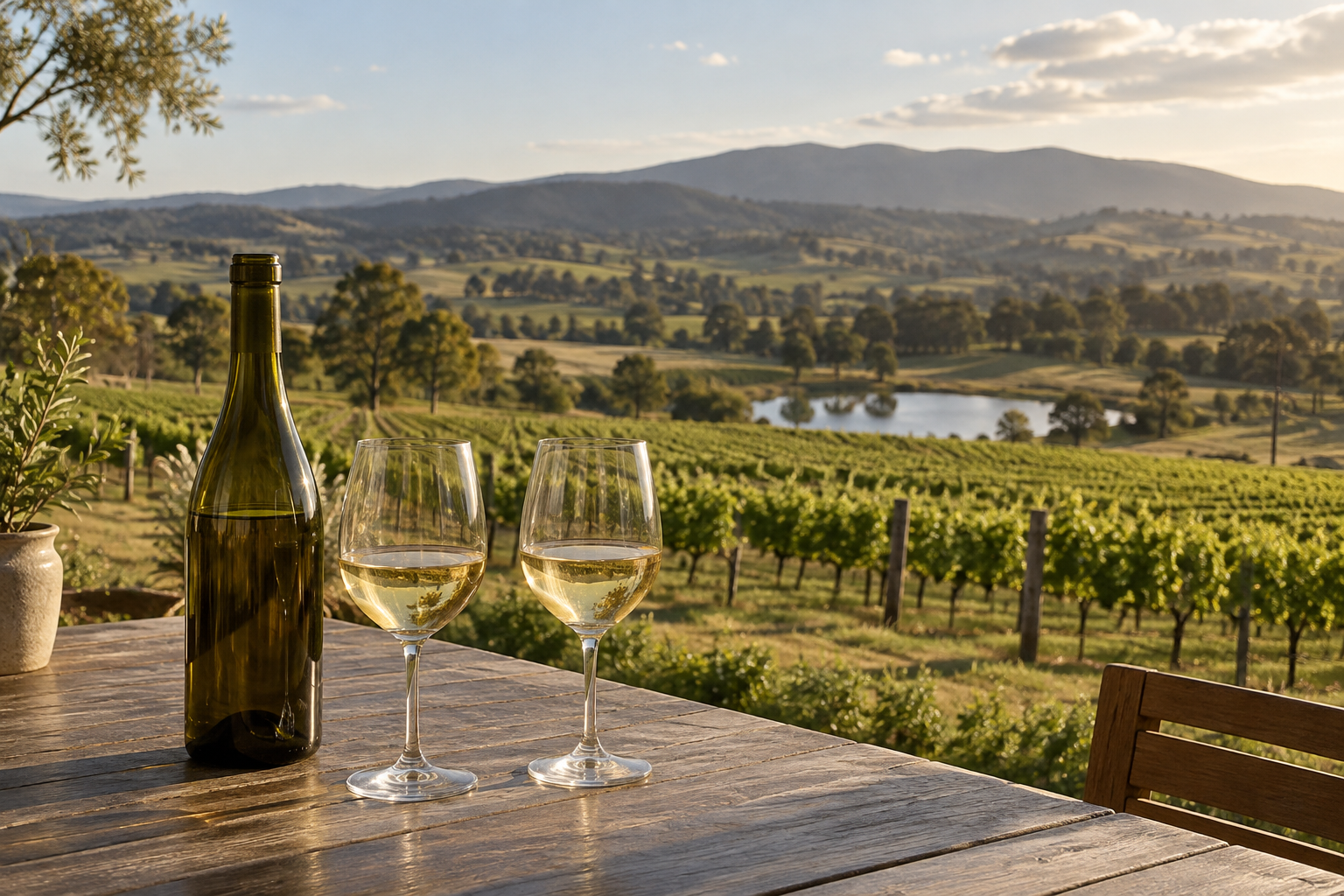
Yarra Yering Chardonnay is an estate wine from Gruyere in the Yarra Valley, and the 2018 vintage is worth considering if you enjoy Chardonnay with some bottle development. For an older bottle, storage history and condition matter more than a confident-sounding drinking window. Buy a well-documented example for near-term enjoyment rather than assuming every 2018 will improve with further ageing.
What makes Yarra Yering Chardonnay distinctive?
Yarra Yering was established in 1969 by Dr Bailey Carrodus. Its estate is on Maddens Lane in Gruyere, in the Yarra Valley’s lower, northern vineyard area rather than the higher-elevation Upper Yarra.
That location matters, but it is only part of the story. Vineyard management, picking decisions and winemaking all influence whether Chardonnay feels taut and citrus-led, broader and stone-fruited, or somewhere between those expressions.
Yarra Yering Chardonnay belongs in a discussion of serious, dry, estate-grown whites. Think citrus and stone-fruit flavours, acidity, and texture shaped by barrel maturation—not sweetness simply because the wine has seen oak. An older example can add savoury complexity while retaining enough freshness to work well at the table.
Do not assume that Chardonnay from every prominent Yarra Valley producer tastes alike. Vineyard elevation, exposure and winemaking choices make meaningful differences. Our guide to Yarra Valley Chardonnay producers, styles and vintages provides the broader context for comparing bottles without treating the region as one uniform style.
Yarra Yering Chardonnay 2018: what should you expect?
The important distinction is between the wine’s original character and its condition today. A release-time review describes a younger wine, often assessed before extended storage, transport and bottle variation could affect it.
For Yarra Yering Chardonnay 2018, look for a balance between remaining fruit, acidity and emerging savoury flavours. Citrus and stone fruit may be less immediately expressive than in a young release, while texture and finish can become more revealing.
A sound older bottle should still feel coherent: fruit, acidity and oak working together, rather than an initially attractive aroma followed by a hollow palate. Mature does not necessarily mean powerful, deeply golden or strongly nutty.
When researching this vintage:
- Match the exact wine and year. A review of another Yarra Yering wine, or a younger Chardonnay, is not evidence about the 2018.
- Check when the review was written. A recent assessment is more relevant to present-day drinking than a launch review, although neither guarantees your bottle.
- Keep technical details vintage-specific. Oak percentages, maturation periods and malolactic fermentation information should come from the 2018 technical sheet, not another release.
A high historical score can explain demand. It cannot establish how a particular bottle has been stored.
How Yarra Yering Chardonnay ages
Ageing is not simply a progression from fresh fruit to stronger flavour. Some primary aromas soften, different flavours emerge, and the relationship between acidity and texture changes.
Development that can be enjoyable
Well-kept mature Chardonnay can show combinations of:
- Lemon curd or preserved citrus rather than freshly cut lemon.
- Quince, baked apple or softened stone fruit.
- Toasted nuts, biscuit or subtle savoury notes.
- A more integrated relationship between oak and fruit.
These are possible ageing characteristics, not a verified tasting note for every bottle of the 2018. The most useful question is whether those flavours remain supported by freshness and a satisfying finish.
Butteriness deserves separate consideration. It can relate to malolactic fermentation and winemaking, not simply bottle age. Likewise, a nutty note can come from maturation or oak; it does not automatically mean oxidation.
Signs that deserve caution
Colour alone cannot diagnose a wine, but an unusually deep amber or brown appearance is worth investigating. More concerning is a combination of bruised-apple or sherry-like aromas, little remaining fruit, and a flat or drying finish.
Some Chardonnay styles deliberately include oxidative nuances. However, unpleasant oxidation in an older bottle is different from integrated savoury complexity. Judge the whole glass rather than declaring the wine faulty because of one aroma.
There is no dependable universal expiry date. For a 2018 bottle with good provenance, opening it soon is a sensible default. Buying it specifically for several more years of ageing requires stronger evidence than the producer’s reputation alone.
Buying older bottles: a practical checklist
The best seller is not necessarily the one with the most enthusiastic tasting description. It is the one who can explain the bottle’s history and provide useful condition information.
1. Ask about storage and ownership
Useful questions include:
- Was the bottle bought on release, or acquired later?
- Has it been kept in a temperature-controlled cellar or wine cabinet?
- Has it changed hands or been moved between storage locations?
- Can the seller provide photographs of the actual bottle?
“Stored indoors” is less informative than it sounds. A kitchen cupboard, garage and dedicated wine cabinet can expose wine to very different conditions. Stable, cool storage matters; around 12–14°C is a common cellaring target, but the bottle’s actual history is more important than a claimed ideal temperature.
A detailed account supported by records is more reassuring than an unexplained “perfect provenance” label.
2. Inspect the bottle and closure
Ask for clear photographs showing the label, fill level, closure and any staining or damage.
If the bottle is under screwcap, look for damage to the cap and neck or signs of leakage. If it is cork-sealed, investigate seepage, an unusually low fill level or a raised cork. Compare fill levels with equivalent bottles where possible: bottle shape and closure type affect what looks normal.
A scuffed label may be cosmetic. Leakage or a compromised seal is a more serious concern. Conversely, an immaculate label does not prove that the wine avoided heat.
3. Calculate the complete purchase cost
For an auction or marketplace purchase, include any buyer’s premium, applicable tax, delivery and other stated charges. Compare the total with a younger release you would also be happy to drink.
Read the seller’s condition and returns terms before paying. An older bottle sold at auction may have different protections from wine purchased through a retailer. Ask how the seller handles a wine that arrives leaking or appears heat-damaged; do not assume all faults are covered.
4. Plan delivery around temperature
Avoid having an older white wine left in a hot vehicle, parcel locker or on a sunny doorstep. Ask about dispatch timing, suitable delivery arrangements and collection options during warm weather.
If provenance is uncertain, paying extra for the vintage number alone is difficult to justify.
Older 2018 or a younger release?
An older bottle is most appealing when you actively want development. If your preference is bright citrus, youthful fruit and straightforward buying, a younger Chardonnay may offer a better fit.
| Buying consideration | Yarra Yering Chardonnay 2018 | A younger release |
|---|---|---|
| Main attraction | Bottle development and more integrated flavours | Youthful fruit and a fresher starting point |
| Key uncertainty | Storage history and individual bottle condition | How the wine will develop over time |
| Best information to request | Provenance, actual photographs and recent assessments | Vintage-specific technical details and current tasting notes |
| Sensible purpose | Near-term drinking, especially with food | Immediate drinking or planned cellaring |
| Buying risk | Greater exposure to past handling and storage | Usually fewer years of storage to investigate |
For another estate-focused comparison, see our Mount Mary Chardonnay guide to the 2016–2019 vintages. Compare producer, year and bottle history together rather than assuming wines of the same age will develop identically.
If vineyard character interests you more than maturity, the Giant Steps Sexton Vineyard and Applejack comparison offers a different buying framework. It helps distinguish site-driven preferences from the separate question of whether to purchase an older bottle.
Serving and pairing an older Chardonnay
Serve the wine cool, not ice-cold. Around 10–12°C is a useful starting point; let it warm slightly in the glass if the aromas seem muted. A medium-sized white-wine glass gives it room to develop without requiring a decanter.
Do not automatically give a mature Chardonnay prolonged aeration. Open it, pour a small taste and assess it first. If it appears closed but otherwise sound, follow its progress in the glass. If it is already fragile, a long decant will not restore freshness.
Food should complement its remaining fruit and savoury texture. Good options include:
- Roast chicken with herbs and restrained pan juices.
- Pan-fried fish with butter, lemon and capers.
- Mushroom dishes that are savoury rather than heavily chilli-spiced.
- A creamy leek tart or gently cooked shellfish.
Avoid making the meal so rich or acidic that the wine disappears beside it. A delicate mature bottle generally suits a balanced dish better than an aggressively smoky barbecue sauce or very sharp vinaigrette.
If opening several wines, taste the older bottle before heavily oaked or strongly aromatic alternatives, so its subtleties are easier to notice.
Know before you go: visiting the Yarra Valley
Yarra Yering’s Gruyere location makes this a rural winery visit. Check current tasting arrangements directly with the winery before travelling, and arrange a designated driver or suitable transport. Do not assume walk-in availability or that a cellar-door tasting includes the 2018 Chardonnay.
If buying that vintage is your main purpose, ask specifically whether any back-vintage stock is available before making the trip. Cellar-door availability, tasting availability and online stock are separate questions.
For a wider Chardonnay outing, compare estate wines with regional and single-vineyard bottlings. Our Oakridge Chardonnay guide to regional wines, Willowlake and the 864 range explains distinctions worth understanding before choosing another tasting stop.
Yarra Valley Pass’s local partner businesses include Coldstream Hills Cellar Door, Oakridge, Punt Road Wines and Giant Steps. Consult the current partner information when planning; a winery being discussed in this article does not itself establish participation.
Yarra Valley Pass members earn Yarra Credits and redeem them for member rewards on this website. Check the relevant participation requirements and reward details before planning around an offer.
The bottom line
Buy Yarra Yering Chardonnay 2018 because you want a mature estate Chardonnay, not simply an impressive vintage on the label. Prioritise documented storage, sound condition and sensible delivery, then open it with a suitable meal and realistic expectations.
Frequently asked questions
What is Yarra Yering Chardonnay?
Yarra Yering Chardonnay is a dry, estate-grown Chardonnay from Yarra Yering in Gruyere, in Victoria’s Yarra Valley. The estate was established in 1969 by Dr Bailey Carrodus.
Is Yarra Yering Chardonnay 2018 still good to drink?
A well-stored bottle can still be rewarding, but the vintage alone cannot establish its condition. Look for documented cool storage, an intact closure and no leakage, then assess the wine for remaining fruit, freshness and an integrated finish.
Should I cellar Yarra Yering Chardonnay 2018 for longer?
Near-term drinking is a sensible default for an older bottle. Further cellaring is a more considered choice that depends on excellent provenance, suitable storage and evidence that the wine still has the structure and freshness to develop.
Where can I buy an older bottle of Yarra Yering Chardonnay?
Ask the winery about back-vintage availability, or investigate specialist wine retailers and reputable auctions. Stock changes, so confirm the exact vintage, bottle condition, full purchase cost and seller’s terms before ordering.
Does a nutty flavour mean an older Chardonnay is oxidised?
Not necessarily. Nutty and savoury flavours can be part of oak influence and normal bottle development. They are more concerning when accompanied by pronounced bruised-apple or sherry-like aromas, little remaining fruit and a flat or drying palate.
Related reading
- Soumah Wines: Italian varieties, estate labels and visiting the vineyard
- Oakridge Pinot Noir: Willowlake, Henk, Hazeldene and 864 Explained
- Affordable Yarra Valley Chardonnay: entry-level wines compared
- Levantine Hill Pinot Noir: Colleen’s Paddock and 2016–2019 Vintages
- Top wineries in Yarra Valley: 10 benchmark producers and why they matter
- Tokar Estate Tempranillo: Wine Style, Food Pairings and Cellar Door