Dominique Portet Cabernet Sauvignon: Fontaine, estate wines and older vintages
· Yarra Valley Pass
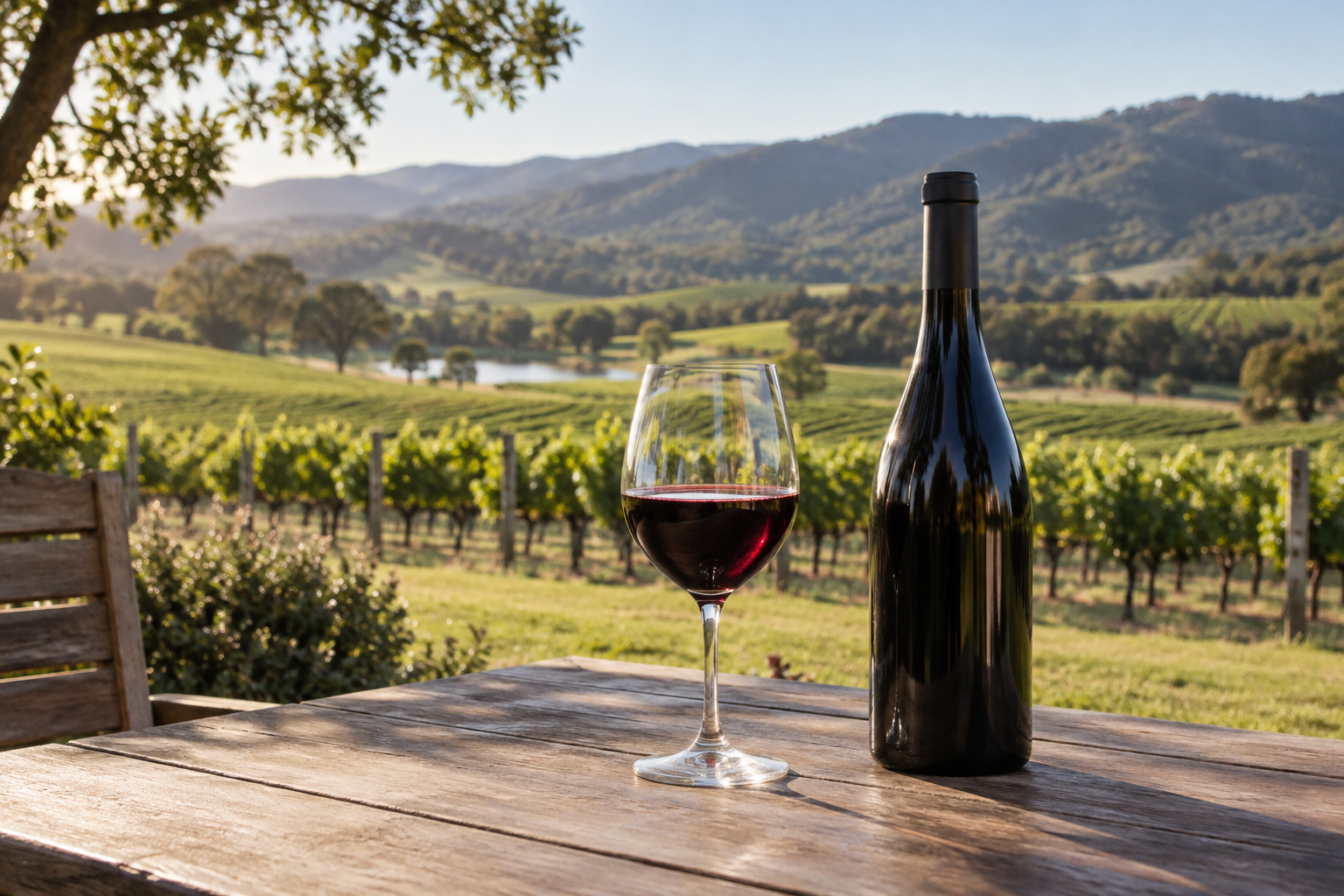
Dominique Portet Cabernet Sauvignon includes the producer’s main Cabernet label and its more approachable Fontaine range. When choosing a 2017, 2018 or Fontaine 2019 bottle, identify the exact wine first, then weigh its storage history and condition rather than judging by vintage alone.
Dominique Portet Cabernet Sauvignon: understand the labels first
Dominique Portet is a family winery in Coldstream, in the Yarra Valley, founded in 2000 by Bordeaux-born Dominique Portet. That background provides context for the producer’s interest in Cabernet Sauvignon and Bordeaux-style blending.
The important buying distinction is between Fontaine Cabernet Sauvignon and the producer’s main Cabernet Sauvignon label. A retailer may shorten either name, so a search result headed simply “Dominique Portet Cabernet” is not enough to identify the bottle.
| Bottle or listing | What it tells you | What to confirm |
|---|---|---|
| Dominique Portet Fontaine Cabernet Sauvignon | The wine belongs to the approachable Fontaine range | Vintage, regional statement and any supporting grape varieties |
| Dominique Portet Cabernet Sauvignon | Usually identifies the producer’s main Cabernet label rather than Fontaine | Front-label wording, vintage and vintage-specific winemaking details |
| A listing described as “estate Cabernet” | The seller is using an estate description | Whether that wording appears on the bottle and what the producer says about fruit sourcing |
“Estate” should not be treated as automatic proof that every grape came from the winery’s own vineyard. Equally, a Cabernet Sauvignon label does not necessarily mean the wine contains no other varieties. A producer’s technical sheet is the best source for the blend, vineyard sources and oak treatment of a particular release.
Before comparing prices, compare full names and vintages. Otherwise, an inexpensive Fontaine bottle can appear to be a discount on a different wine.
What does this Dominique Portet wine style offer?
Cabernet Sauvignon is associated with blackcurrant, dark berries, leafy or herbal notes and a firm tannin structure. With bottle age, some examples develop cedar, tobacco and savoury characteristics. These are useful style markers, not guaranteed tasting notes for every Dominique Portet wine.
Yarra Valley Cabernet Sauvignon often appeals to drinkers who want freshness and definition alongside dark fruit. A leafy note can be part of Cabernet’s character; it is not automatically a fault. The question is whether fruit, acidity and tannin feel balanced together.
Fontaine is the more accessible starting point in the range. The main Cabernet label is generally the more structured choice, although vintage, blending and bottle age can change that relationship.
For regional context, read our guide to Yarra Valley Cabernet Sauvignon, Shiraz and red blends. It explains why grape variety and wine structure matter more than simply choosing a “big red”.
Dominique Portet Cabernet Sauvignon 2017: what to look for
Searches for Dominique Portet Cabernet Sauvignon 2017 often come from buyers considering an older retail bottle or opening something already in their cellar.
At a regional level, 2017 was a cooler, later-ripening Yarra Valley season. That makes freshness and restrained fruit a reasonable starting expectation, but it does not establish the flavour or maturity of an individual bottle.
For this vintage, prioritise:
- The exact label: confirm whether the bottle is Fontaine or the main Cabernet release.
- Storage history: a consistently cool cellar matters more than an attractive label or an old review score.
- Condition: inspect the closure, fill level and any signs of leakage.
- Your preferred style: developing savoury flavours may appeal more than primary, youthful fruit.
A well-kept bottle may offer an interesting balance between remaining fruit and developed character. A poorly stored one may seem tired regardless of its original quality. Avoid a fixed “drink by” date unless it comes from reliable, wine-specific advice—and remember that even then, storage remains decisive.
Dominique Portet Cabernet Sauvignon 2018: how it differs
The Yarra Valley’s 2018 season was generally warmer and drier than 2017. That provides a broad reason to investigate differences in fruit ripeness and structure, rather than assuming the two years are interchangeable.
However, Dominique Portet Cabernet Sauvignon 2018 should not automatically be described as bigger, softer or longer-lived. Harvest decisions, vineyard sources, blending and maturation all affect the finished wine.
If choosing between similarly priced 2017 and 2018 bottles:
- Match the range and bottle size.
- Prefer the seller with clearer provenance.
- Read tasting notes for that exact release, noting when they were written.
- Choose according to whether you enjoy youthful fruit or more developed savoury flavours.
A review published near release describes the wine at that time. It cannot confirm how a particular bottle tastes today.
For another Cabernet-based comparison, our guide to Yarra Yering Dry Red No 1 and its 2016–2019 vintages explores why the blend deserves attention alongside the year.
Dominique Portet Fontaine Cabernet Sauvignon 2019
Dominique Portet Fontaine Cabernet Sauvignon 2019 needs its own assessment. It is not simply the main Cabernet label from a different vintage.
Fontaine’s approachable positioning makes it a sensible introduction to the producer, but an older Fontaine bottle is a different purchase from a current release. Do not assume it was designed for the same cellaring horizon as the main Cabernet.
The Yarra Valley experienced a warm 2019 season with significant heat events. That is regional context, not evidence that every wine was unusually ripe or that a particular bottle has aged well.
For a Fontaine 2019 purchase, ask whether the seller can explain where the wine has been stored and whether they have recently assessed bottles from the same stock. If you already own one, opening it with a meal is more informative than extending storage purely because Cabernet has a reputation for ageing.
Also read the regional statement on the bottle. Do not assume the origin shown on one Dominique Portet release necessarily applies to every wine in the range.
Buying older vintages: a practical checklist
The most useful question is not “Which year has the highest score?” It is “Which exact bottle has the strongest evidence of good handling?”
Ask about provenance
Look for a seller who can explain whether the wine came directly from the producer, a professional storage facility or a private collection. An original carton is useful packaging, but it does not prove the bottles were kept cool.
Steady temperature, protection from light and avoidance of heat are more important than the appearance of the box.
Inspect the bottle
For a cork-sealed bottle, look for seepage, a protruding cork or an unexpectedly low fill level. A fill level falling into the shoulder deserves scrutiny in a bottle of this age.
For a screwcap bottle, inspect the cap and neck for damage or leakage. Screwcap does not protect wine from heat exposure.
Sediment is not automatically a problem. Cabernet can form a natural deposit as it ages; it mainly affects how you pour and decant it.
Check the purchase terms
Before buying expensive or older stock, understand the seller’s policy for faulty bottles. Cork taint, oxidation and heat damage are different from simply disliking a mature wine’s style.
Our guide to buying older Allinda Cabernets and Shiraz offers further practical context for provenance and condition checks.
Serving Cabernet without losing its detail
A bottle can seem harsher or less expressive when served at the wrong temperature. Aim for approximately 16–18°C, rather than a warm Australian room temperature.
If the room is hot, a short spell in the fridge before opening can help. If the wine is too cool, allow it to warm gradually in the glass.
For a younger or firm bottle
Taste before deciding how much air it needs. If the wine seems closed or strongly tannic, try a short decant and reassess after 20–30 minutes. More air is not always better, so keep checking rather than committing to several hours automatically.
For a 2017, 2018 or Fontaine 2019 bottle
Stand the bottle upright beforehand if sediment is visible or likely; overnight is convenient. Open carefully and taste a small pour.
If it is expressive and balanced, serve it without a long decant. If sediment needs separating, pour slowly into a clean decanter and stop when the deposit approaches the neck.
Older wine can change quickly after opening. The goal is to remove sediment or help the wine open—not expose it to the maximum possible amount of oxygen.
Food pairings for Fontaine and the main Cabernet
Match the meal to the wine’s current structure, not just its name.
- A youthful, firmer Cabernet: roast lamb, steak or grilled mushrooms with lentils provide savoury depth and enough substance for tannin.
- An approachable Fontaine: a beef burger, lamb kofta or a mushroom pie makes a practical, unfussy pairing.
- A more developed older bottle: roast beef, braised lamb or mushroom ragout can complement savoury flavours without overwhelming them.
- Cheese: mature cheddar or Comté is a reliable starting point.
Very hot chilli and sweet sauces can make a dry, tannic red seem more severe. With an older bottle, keep the seasoning measured and avoid letting a heavily reduced sauce dominate.
You do not need an elaborate meal. A well-cooked pie with a savoury filling can be a better match than a complicated dish built around sweetness or heat.
Know before you go: visiting Dominique Portet in Coldstream
The cellar door in Coldstream offers a useful opportunity to explore the producer’s range. It is in the Yarra Valley, not the Dandenong Ranges; those destinations are part of the broader region but should not be treated as one compact tasting precinct.
Before travelling, check the winery’s current booking requirements, tasting options and food availability. Do not assume older vintages such as 2017, 2018 or Fontaine 2019 will be available to taste or purchase.
Bring a photograph if you are trying to identify a bottle. Useful questions include:
- Is this Fontaine or the main Cabernet Sauvignon release?
- Is vintage-specific information available for its blend and fruit sourcing?
- What serving advice applies to this release?
- Which currently available wine offers the closest comparison?
Keep the itinerary realistic and arrange a designated driver or suitable transport. Leave time for food, and keep purchased wine out of a hot parked car.
Dominique Portet is a Yarra Valley Pass partner. You can browse local partner businesses across the region when planning other stops, while checking each venue’s current arrangements directly.
Yarra Valley Pass rewards participation across the Yarra Valley and Dandenong Ranges. Members earn Yarra Credits and redeem them for member rewards; check the available offers and their conditions before making plans around a particular reward.
The best bottle is the right label, well stored
Choose Fontaine or the main Cabernet label deliberately, then use vintage as context rather than a verdict. For 2017, 2018 and Fontaine 2019, clear provenance, careful serving and a suitable meal are more useful than assuming older automatically means better.
Frequently asked questions
What is the difference between Dominique Portet Fontaine Cabernet Sauvignon and the main Cabernet label?
Fontaine is the producer’s more approachable range, while the main Cabernet Sauvignon label is generally the more structured option. Confirm the full label and vintage before comparing bottles, and consult vintage-specific information for the blend, fruit sources and oak treatment.
Is Dominique Portet Cabernet Sauvignon 2017 still good to drink?
It may be, but the vintage alone cannot establish a bottle’s condition. Check its storage history, closure and fill level, then taste it before deciding whether to decant. A well-kept bottle and a heat-exposed bottle can develop very differently.
Is Dominique Portet Cabernet Sauvignon 2018 better than 2017?
There is no universal winner. The Yarra Valley’s 2017 season was cooler and later-ripening, while 2018 was generally warmer and drier. Compare the same wine range and prioritise provenance, current condition and your preferred drinking style.
Should I keep cellaring Dominique Portet Fontaine Cabernet Sauvignon 2019?
Do not keep it solely because Cabernet can age. Fontaine is positioned as an approachable range, and an older bottle should be assessed according to storage and condition. If you own one, opening it with a meal is a practical way to assess its development.
Should older Dominique Portet Cabernet Sauvignon be decanted?
Taste it first. Decant gently if sediment needs separating, or give it a little air if it seems closed. If an older bottle is already expressive, a long decant may be unnecessary and could cause it to lose freshness.
Can I taste older Dominique Portet vintages at the cellar door?
Do not assume older vintages are included in the current tasting selection or available for purchase. Contact the Coldstream cellar door before visiting to confirm booking requirements, the wines being poured and any specific bottle availability.
Related reading
- Soumah Wines: Italian varieties, estate labels and visiting the vineyard
- Oakridge Pinot Noir: Willowlake, Henk, Hazeldene and 864 Explained
- Affordable Yarra Valley Chardonnay: entry-level wines compared
- Levantine Hill Pinot Noir: Colleen’s Paddock and 2016–2019 Vintages
- Top wineries in Yarra Valley: 10 benchmark producers and why they matter
- Tokar Estate Tempranillo: Wine Style, Food Pairings and Cellar Door