Dominique Portet wine: French heritage, Fontaine and estate labels
· Yarra Valley Pass
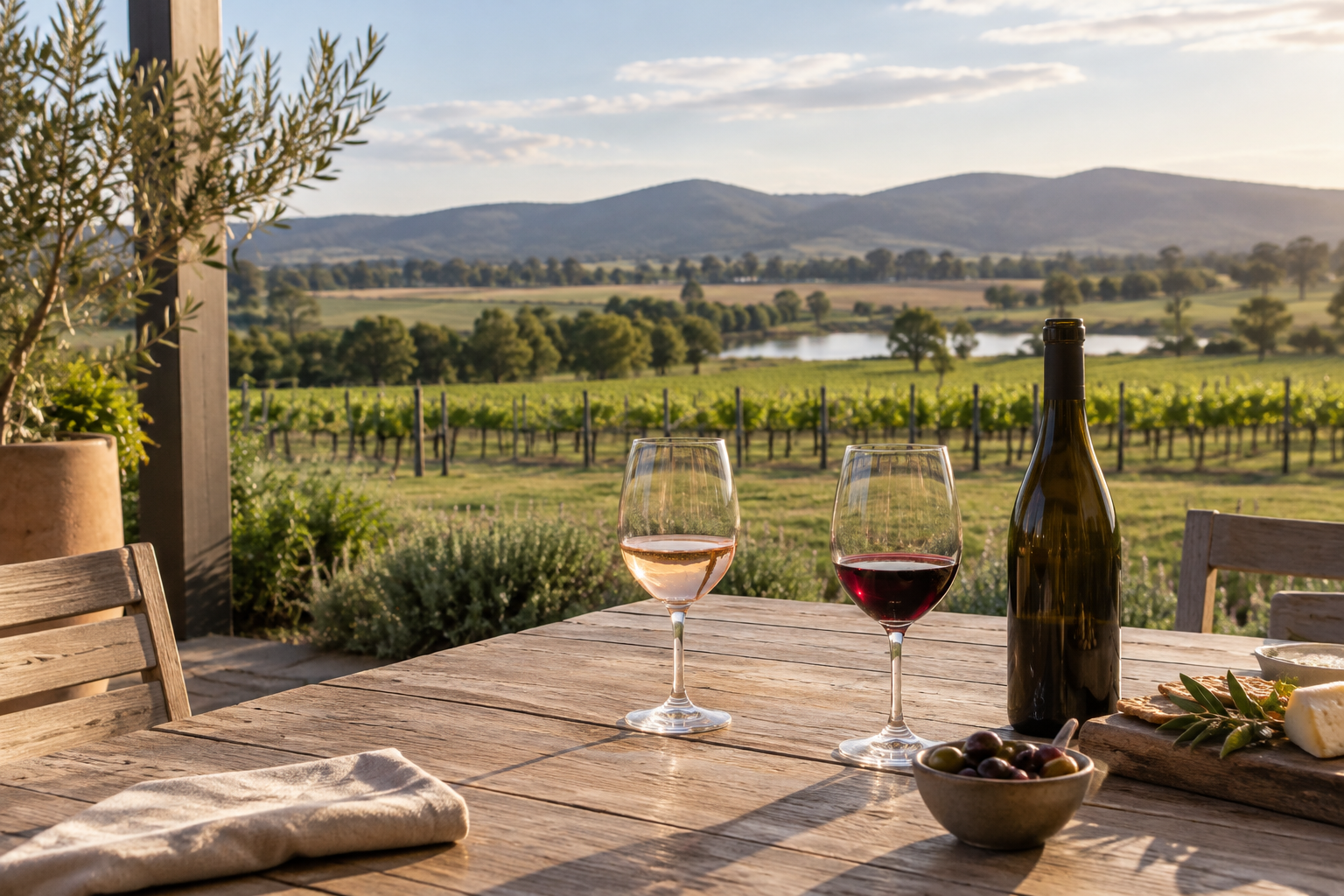
Dominique Portet wine combines a French family winemaking heritage with a Yarra Valley home in Coldstream. The Fontaine range offers an approachable introduction through wines including Sauvignon Blanc, Rosé and Cabernet Sauvignon, while other bottlings explore regional character and more ambitious selections. To choose well, look beyond the family name to the wine’s variety, region, vintage and place within the range.
French winery heritage in a Yarra Valley setting
Dominique Portet established his Yarra Valley winery in 2000, bringing experience from both France and Australia. Before creating the Coldstream business, he worked at Taltarni in Victoria’s Pyrenees wine region.
The family connection to Bordeaux is substantial. Dominique is a ninth-generation winemaker, and his father, André, was régisseur at Château Lafite Rothschild. Dominique’s son Ben represents the tenth generation and continues the family’s winemaking story in Australia.
That background helps explain the interest in Cabernet Sauvignon, blending and balanced structure. It does not mean the wines are French imports or copies of Bordeaux: their Australian origins remain central to understanding them.
For visitors searching for a French winery in the Yarra Valley, Dominique Portet offers a genuine family connection rather than simply French-themed branding. The useful distinction is between heritage, which comes from the family, and wine origin, which comes from the grapes.
The winery’s Coldstream location also places it within one of the valley’s established cellar-door touring areas. For broader regional context, start with our guide to Yarra Valley vineyards and cellar doors.
Understanding Dominique Portet wine: Fontaine, estate and regional labels
The simplest way to approach the range is to separate the accessible Fontaine wines from more individually positioned regional wines and the flagship André Cabernet Sauvignon. These are useful buying categories, not a promise that every wine is available in every vintage.
| Label or grouping | What to look for | Why it matters |
|---|---|---|
| Fontaine | Sauvignon Blanc, Rosé and Cabernet Sauvignon | A straightforward starting point for discovering the producer’s style |
| Yarra Valley-labelled wines | Wines such as Chardonnay and Cabernet Sauvignon | The region is an important part of the wine’s identity |
| Other regional bottlings | Heathcote Shiraz is an example | The producer’s address does not necessarily identify where the grapes grew |
| André Cabernet Sauvignon | The flagship Cabernet Sauvignon bottling | A more ambitious selection to assess separately from everyday drinking wines |
Dominique Portet Fontaine: where to start
The Dominique Portet Fontaine range makes sense when you want to explore the producer without immediately choosing a flagship bottle. Its familiar varieties also make comparisons easier: Sauvignon Blanc for freshness, rosé for a dry pink wine, and Cabernet Sauvignon for a more structured red.
Fontaine is a range name, not a grape variety. A Fontaine Rosé and a Fontaine Cabernet Sauvignon are different wines with different uses at the table.
What “estate” does—and does not—tell you
When comparing estate labels with Fontaine, read the actual bottle description rather than assuming a fixed hierarchy from a retailer’s heading. Region, grape source and selection are more informative than the word “premium”.
Do not assume that every Dominique Portet wine comes from vines beside the Coldstream cellar door. The producer has also made Heathcote Shiraz, which illustrates why the region printed on the bottle matters.
For an estate-labelled wine, a useful tasting question is: “Which vineyard supplied this vintage, and how does it differ from Fontaine?” That invites a concrete explanation rather than a general claim about quality.
Which Dominique Portet wines suit your palate?
Start with the style you enjoy, then compare individual bottles. These descriptions are buying guides, not guaranteed tasting notes for every vintage.
Fontaine Sauvignon Blanc: freshness first
Sauvignon Blanc is a sensible starting point if you like bright acidity and citrus or herbal flavours. It can work with seafood, salads and dishes where freshness matters more than richness.
At a tasting, ask whether the wine is primarily fruit-driven or has additional texture from its winemaking. That is more useful than assuming all Sauvignon Blanc tastes sharply grassy.
Serve it chilled, but not so cold that the aromas disappear. Letting a small tasting pour warm slightly can reveal more than the first sip.
Fontaine Rosé: dry, versatile pink wine
Fontaine Rosé is associated with a dry style. It is a useful choice for drinkers who want freshness without moving to a strongly tannic red.
Rosé’s colour does not identify its grape variety or sweetness. Check the current vintage’s blend rather than relying on an older bottle description.
For food, think grilled vegetables, charcuterie or a picnic spread with several different flavours. Rosé can be especially practical when guests want one wine to accompany a varied lunch.
Chardonnay: texture as well as fruit
A Yarra Valley Chardonnay gives you a different comparison point from Fontaine Sauvignon Blanc. Look at acidity, weight and the way any oak influence sits alongside the fruit.
Ask about barrel use and lees ageing if texture interests you. The important question is not simply whether the wine is “oaked”, but whether its richness suits your preference and the food you plan to serve.
Cabernet Sauvignon: structure and patience
Cabernet Sauvignon is central to understanding the producer’s Bordeaux connection. Look for dark-fruit character, tannin and the relationship between freshness and concentration.
Comparing Fontaine Cabernet Sauvignon with another Cabernet bottling is particularly useful because it keeps the main grape variety consistent. You can then concentrate on differences in structure, selection and intended drinking window.
For a bottle to keep, ask about that specific vintage. A flagship name alone is not a reliable cellaring timetable.
How to choose a bottle without relying on price alone
A tasting is most valuable when it answers a purchase question. Before you begin, decide whether you want a bottle for tonight, a gift, a meal or longer-term storage.
For immediate drinking, describe the meal and your preferred style. “A red for roast lamb that we can open this weekend” gives the team more to work with than “your best wine”.
For a gift, establish whether the recipient likes white, rosé or red, and whether they enjoy firm tannins. Family heritage can make an interesting story, but the recipient’s taste should still lead the decision.
For cellaring, discuss drinking windows, storage conditions and whether the wine would benefit from time. Wine kept in a warm cupboard is not receiving the same treatment as wine in stable, temperature-controlled storage.
Three questions worth asking are:
- What changes when I move from Fontaine to this bottle?
- Where did the grapes for this vintage come from?
- Would you open it now, decant it, or keep it?
If comparing vintages, remember that weather and growing conditions can change the wine even when the label looks familiar.
Visiting Dominique Portet in the Yarra Valley
Dominique Portet is in Coldstream, on Maroondah Highway. From Melbourne, allow roughly an hour by car as an initial planning estimate, with extra time for your starting point, traffic and weekend conditions.
Its location suits a focused Coldstream-area outing. It is less sensible to treat it as one stop in a rushed itinerary that also crosses the entire valley and climbs into the Dandenong Ranges.
Book the experience you actually want
Check the winery’s current visitor information before travelling. Confirm tasting availability, booking requirements and whether the wines you most want to try are included in the offered tasting.
A cellar-door tasting and a restaurant reservation are different arrangements. If you want to eat at the French-inspired bistro, check its current service schedule, menu and booking process separately.
Do not assume a particular dish, tasting format or older vintage will be available because it appears in a previous visitor’s review.
Plan transport before tasting
Choose a designated driver, book a suitable tour or arrange transport in advance. Do not build a day around the assumption that an on-demand ride will be immediately available between rural cellar doors.
Keep travel buffers between bookings and avoid driving after drinking. If one person is not tasting, consider their enjoyment too: a proper lunch and time to appreciate the setting make the outing more balanced.
Check access and group needs directly
For step-free access, seating requirements, assistance animals, prams or a larger group, ask about the specific areas you plan to use. A winery can have different access conditions across its tasting space, dining room and outdoor areas.
Travelling with children? Our family-friendly winery planning guide explains the facilities and booking questions to check without assuming every cellar door offers the same experience.
Building a manageable Coldstream wine day
Two considered tastings and a relaxed meal will usually teach you more than a long sequence of hurried stops. Dominique Portet works well as the anchor for a day focused on this part of the valley.
A practical approach is:
- Begin with a booked tasting at Dominique Portet. Focus on Fontaine and one contrasting bottle rather than trying to memorise everything.
- Leave proper time for lunch. If dining at the winery, coordinate the restaurant and tasting bookings rather than treating them as interchangeable.
- Choose one complementary producer. Look for a different winemaking emphasis, vineyard discussion or favourite variety.
- Finish with time to select purchases. Check what you tasted, note the vintage and store bottles away from heat during the journey home.
Oakridge is one option for a contrasting regional conversation, particularly if vineyard sources and individual wine expressions interest you. Read our guide to Oakridge’s wine range and vineyard sites before deciding whether it suits your day.
Coldstream Hills is another producer to consider, subject to its current visitor arrangements. Neither suggestion means you should add both automatically: the aim is a coherent itinerary, not a checklist.
Use our town-by-town guide to planning a Yarra Valley winery day to keep the route realistic. Geography matters as much as reputation when appointments, lunch and transport need to fit together.
Support local while exploring the region
Dominique Portet is a Yarra Valley Pass partner. Yarra Valley Pass rewards participation across the Yarra Valley and Dandenong Ranges: members earn Yarra Credits and redeem them for rewards on this website. Before your outing, browse the available member rewards and check the relevant conditions rather than assuming every purchase or tasting automatically qualifies.
The best starting point
Choose Dominique Portet for its genuine French family heritage, Coldstream setting and the opportunity to compare approachable Fontaine wines with more individually positioned bottlings. Start with your preferred style, check the region and vintage, and use the tasting to understand what changes between labels. A focused visit is more rewarding than buying on reputation alone.
Frequently asked questions
What is Dominique Portet wine known for?
Dominique Portet is known for its Bordeaux family heritage and Australian winemaking base in Coldstream, Yarra Valley. Its range includes Fontaine Sauvignon Blanc, Rosé and Cabernet Sauvignon, alongside other regional wines and the flagship André Cabernet Sauvignon.
What is the Dominique Portet Fontaine range?
Fontaine is an approachable range within the Dominique Portet portfolio, with wines including Sauvignon Blanc, Rosé and Cabernet Sauvignon. It is a label family, not a grape variety; check the individual bottle for its region, vintage and style.
Is Dominique Portet a French winery or an Australian winery?
Dominique Portet is an Australian winery with a French family winemaking heritage. Dominique established the Yarra Valley winery in 2000, and the family’s Bordeaux connections include his father André’s role at Château Lafite Rothschild.
Are all Dominique Portet wines made from Yarra Valley grapes?
Do not assume that every wine comes from the Yarra Valley or the Coldstream property. The producer has also made Heathcote Shiraz. Read the region on the particular bottle and ask about the vineyard source if provenance matters to your choice.
Do you need to book a Dominique Portet cellar-door visit?
Check the winery’s current booking requirements before travelling, particularly for groups or visits tied to a dining reservation. Confirm tasting availability and arrange any bistro booking separately; schedules and tasting formats can change.
Related reading
- Soumah Wines: Italian varieties, estate labels and visiting the vineyard
- Oakridge Pinot Noir: Willowlake, Henk, Hazeldene and 864 Explained
- Affordable Yarra Valley Chardonnay: entry-level wines compared
- Levantine Hill Pinot Noir: Colleen’s Paddock and 2016–2019 Vintages
- Top wineries in Yarra Valley: 10 benchmark producers and why they matter
- Tokar Estate Tempranillo: Wine Style, Food Pairings and Cellar Door