Oakridge 864 Cabernet Sauvignon 2018 vs 2019: a vintage buying guide
· Yarra Valley Pass
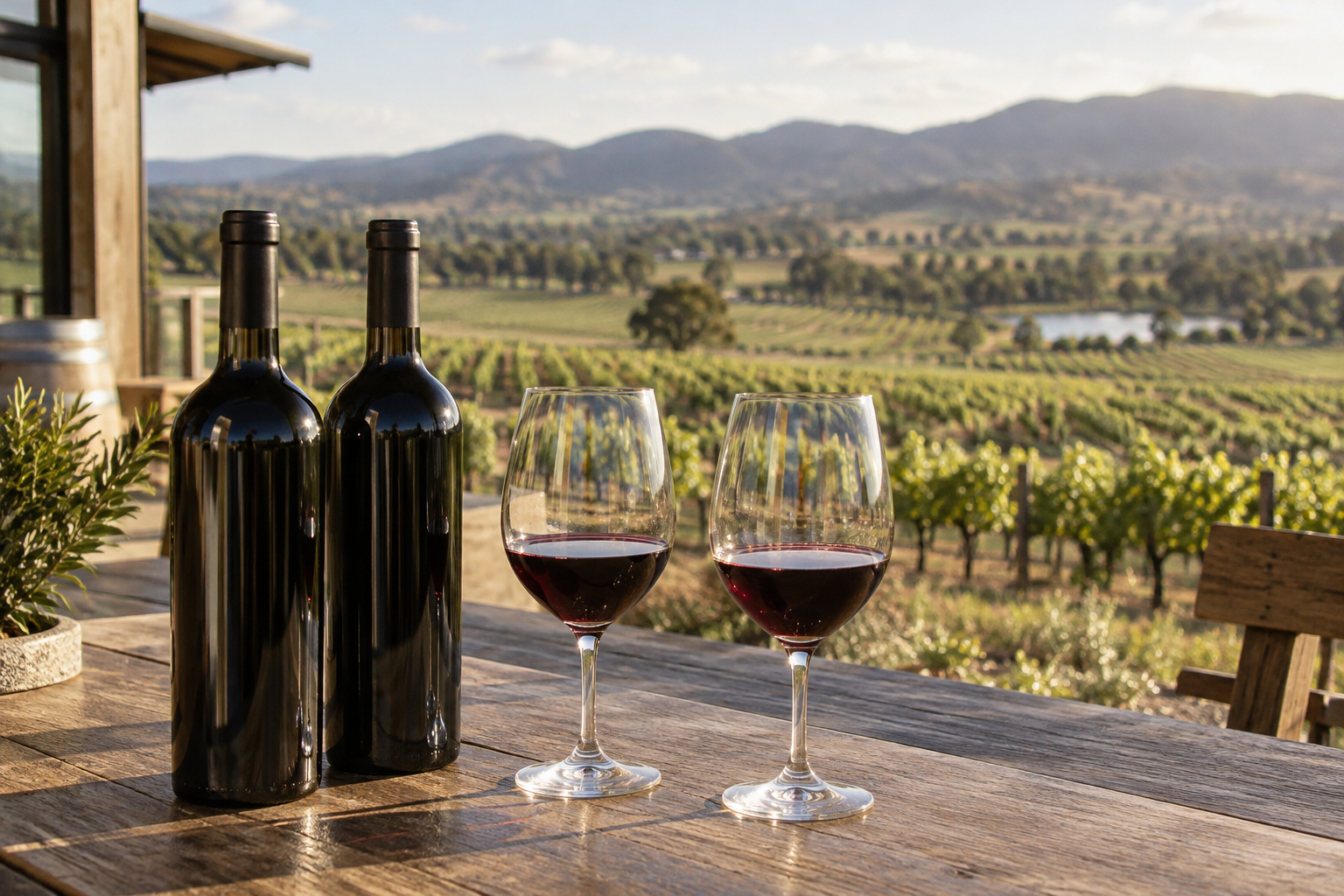
If you are choosing between Oakridge 864 Cabernet Sauvignon 2018 and 2019, prioritise documented storage and the exact wine identity over the vintage number. Neither year is an automatic winner: the 2018 comes from an earlier harvest, while the 2019 should not be assumed fresher or more age-worthy without evidence about the bottle.
What is Oakridge 864 Cabernet Sauvignon 2018?
Oakridge is based in Coldstream in the Yarra Valley, and 864 is its premium wine range. When buying the 2018 Cabernet Sauvignon, make sure the listing actually identifies the 864 release, rather than another Oakridge Cabernet Sauvignon with the same vintage.
That distinction matters when comparing prices, reviews and drinking recommendations. A tasting note for another Oakridge label does not describe the 864 simply because the producer, grape and year match.
Before ordering, confirm:
- The producer is Oakridge.
- The range is 864.
- The grape designation is Cabernet Sauvignon.
- The vintage is 2018 or 2019, as requested.
- Any vineyard or block wording matches the bottle being offered.
- The bottle size matches the listing and any comparison price.
Ask for front and back label photographs if an older listing uses a generic image. Do not infer an exact grape percentage, vineyard source or oak regime from the product title alone; those details require the relevant vintage information.
Oakridge 864 Cabernet Sauvignon 2018 vs 2019: the useful comparison
The main buying distinction is not simply “older versus younger”. It is the combination of growing season, winemaking, storage and present condition.
| Buying consideration | Oakridge 864 Cabernet Sauvignon 2018 | Oakridge 864 Cabernet Sauvignon 2019 |
|---|---|---|
| Relative age | Earlier harvest; potentially further along in development | Harvested one year later; not necessarily less developed |
| Regional vintage context | Generally favourable ripening conditions in the Yarra Valley | Significant summer heat was an important seasonal factor |
| What the year cannot prove | That the wine is ready, softer or better | That the wine is fresher, richer or longer-lived |
| Evidence to seek | Storage history and a recent assessment of the same wine | Storage history and a recent assessment of the same wine |
| Strongest buying reason | Sound provenance and a style assessment that suits your plans | Sound provenance and a style assessment that suits your plans |
These are buying considerations, not verified side-by-side tasting notes for the two releases. Regional conditions help explain what to investigate; they cannot establish how an individual bottle tastes today.
How to approach the 2018 vintage
The Yarra Valley’s 2018 season is generally associated with favourable ripening conditions. Cabernet Sauvignon is relatively late-ripening, so sufficient warmth can help develop flavour and tannin maturity.
For the buyer, that is useful background—not proof of a particular flavour profile. It does not justify describing every 2018 Cabernet as concentrated, smooth or ready to drink.
If you want a bottle for dinner soon, a recent note describing the 2018 864 itself is more useful than a regional vintage rating. Look for comments about remaining fruit, tannin texture, freshness and whether the wine improves with air.
How to approach Oakridge 864 Cabernet Sauvignon 2019
The 2019 growing season included notable summer heat. However, heat does not translate neatly into bigger or more alcoholic wine: vineyard conditions, picking decisions and winemaking all affect the result.
Do not buy Oakridge 864 Cabernet Sauvignon 2019 solely because it is the younger option. One vintage’s difference can be outweighed by years of different storage conditions.
For further cellaring, favour a well-documented bottle and vintage-specific guidance from the producer or a reliable merchant. “Younger” is not a substitute for evidence that the wine still has the structure and fruit to develop.
What to expect from Yarra Valley Cabernet Sauvignon
Yarra Valley Cabernet Sauvignon can combine dark fruit with freshness, savoury detail and a firm tannin framework. Depending on the site, season and winemaking, descriptions may include blackcurrant, plum, leafy herbs, cedar or mint-like notes.
Those are regional and varietal reference points, not a guaranteed tasting list for either Oakridge release.
With bottle age, primary fruit may become less dominant and savoury characteristics more apparent. Tobacco, dried leaf and earthy notes can be part of development; the wine should still have enough fruit and balance to make those details appealing.
A leafy note is not automatically a fault. Equally, persistent damp-cardboard aromas or a flat, heavily oxidised character should not be excused simply because a bottle is older.
For the broader context, read our guide to Yarra Valley Cabernet Sauvignon, Shiraz and red blends.
The older-bottle checklist: what to ask before paying
1. Establish the storage history
Ask where the wine has been kept and whether that history is continuous. “Cellared” is helpful only when the seller can explain what it means.
Temperature-controlled storage is stronger evidence than an unspecified cupboard, garage or storage unit. Repeated heat exposure can damage wine even when the label looks pristine.
Useful questions include:
- Was the wine bought directly from the producer or through a recognised merchant?
- Has it remained in one cellar, or changed hands?
- Was storage temperature controlled?
- Is the seller describing this particular bottle or an entire collection?
A detailed answer is more valuable than a reassuring adjective.
2. Inspect the bottle, not just the label
Request photographs showing the label, closure, fill level and any visible leakage. For cork-sealed bottles, a pushed-up cork or staining around the closure warrants further questions. For screwcaps, inspect the cap and neck for damage or leakage.
Cosmetic label wear does not necessarily indicate poor wine. Conversely, a clean label cannot establish good storage. Fill levels also need to be interpreted according to the bottle shape and closure, rather than judged against an unrelated example.
3. Read the seller’s condition and returns terms
Check what happens if the wrong vintage arrives or a bottle is damaged in transit. Ask separately about the policy for a wine that appears faulty after opening.
An older wine failing to suit your taste is different from a recognised wine fault. Understand that distinction before buying, especially through auctions or private sales.
4. Plan delivery around the weather
Avoid unnecessary time in hot vehicles or on a doorstep. Ask whether dispatch can be delayed during extreme heat and choose a delivery arrangement that allows prompt collection.
For a broader checklist covering mature reds, see our guide to buying older Allinda Cabernet and Shiraz bottles.
How to judge value without relying on a vintage score
Compare like with like: the same 864 wine, vintage, bottle size and seller protections. A lower asking price may reflect a private sale, uncertain storage or a different Oakridge label rather than a genuine bargain.
Include delivery, auction charges and other applicable fees in the total. Then ask whether the more expensive bottle offers meaningful additional confidence.
A critic’s score can help identify wines worth investigating, but check that it belongs to the correct release. A review written near release also describes the wine at that time, not its condition after subsequent storage.
If you are comparing Cabernet-labelled wines with Bordeaux-style blends, our Yarra Yering Dry Red No 1 guide explains why the blend and label identity matter alongside the vintage.
Drink now or keep cellaring?
Both vintages are sensible candidates to consider for drinking, but neither should be assigned a precise drinking window from age alone.
For an upcoming meal: choose the soundest bottle with the clearest recent assessment. Have a backup wine if the occasion depends on one older bottle performing well.
For further cellaring: seek producer guidance for the exact release and ensure you can provide stable, cool storage. A dark place around 12–14°C is a practical target; avoiding sustained heat and large temperature swings is more important than chasing a perfect number.
If buying several bottles: opening one can give you a useful baseline, although variation remains possible. Record the serving temperature, time open and how the wine changed in the glass. That information is more useful for planning the next bottle than a vague note saying “good”.
Serving either vintage: temperature, sediment and air
Serve these reds slightly cool rather than at a warm Australian room temperature. Around 16–18°C is a useful starting point, allowing the wine to warm gradually in the glass.
Check for sediment
Older red wine can develop sediment under either cork or screwcap. If sediment is visible, stand the bottle upright ahead of serving so it can settle, then pour carefully.
Decanting to separate sediment is different from decanting to expose the wine to air. You may need the first without wanting much of the second.
Taste before committing to a long decant
Open the bottle and pour a small sample. Assess the aroma, fruit, freshness and tannin before deciding how much air to give it.
If the wine seems tight but clean, try a short period of aeration and reassess after 15–30 minutes. If it is already expressive and delicate, serve promptly rather than leaving it in a broad decanter for hours.
Air can help some closed or reductive aromas, but it does not repair heat damage, cork taint or serious oxidation. Avoid treating a fixed decanting time as a rule for every older Cabernet.
Food pairings that suit the wine’s condition
Cabernet’s tannin and savoury character work well with protein-rich dishes and food with some fat. Good starting points include roast lamb, grilled beef, slow-cooked beef cheek and aged hard cheese.
For a more developed bottle, try mushroom dishes, lentils with roasted vegetables or lamb with herbs. These can echo savoury complexity without requiring intensely smoky or sweet flavours.
If the wine still feels firm, a steak or lamb dish may be more accommodating than a lightly dressed salad. Keep chilli heat, sweet glazes and strong vinegar dressings restrained: they can make a dry red seem harsher or less fruity.
Let the bottle guide the pairing rather than assuming the 2018 must accompany delicate food and the 2019 needs a heavier dish.
Know before you go: visiting Oakridge in Coldstream
Oakridge is located at 864 Maroondah Highway, Coldstream, in the Yarra Valley. A visit can help you understand the producer’s current range, but do not assume either older vintage will be available to buy or taste.
Contact the winery directly to confirm back-vintage stock, tasting arrangements and booking requirements. Ask specifically for “864 Cabernet Sauvignon 2018” or “864 Cabernet Sauvignon 2019”, rather than simply requesting an older Cabernet.
Arrange a designated driver or suitable transport if tasting, and allow time between stops. Oakridge is a Yarra Valley Pass partner; browse the local partner businesses when planning other visits, then check arrangements directly with each venue.
Yarra Valley Pass rewards participation across the Yarra Valley and Dandenong Ranges. Members earn Yarra Credits and redeem them for member rewards on this website; check current requirements rather than assuming every wine purchase earns credits.
The bottom line
Choose between Oakridge 864 Cabernet Sauvignon 2018 and 2019 by confirming the exact label, investigating storage and matching reliable condition information to your plans. Vintage context is useful, but a sound bottle, sensible serving and an appropriate meal are what turn an older-wine purchase into a rewarding experience.
Frequently asked questions
Is Oakridge 864 Cabernet Sauvignon 2018 better than 2019?
Neither vintage is automatically better. Regional conditions provide context, but the exact release, storage history, present condition and your preference for freshness or developed flavours are more useful buying criteria.
Can I drink Oakridge 864 Cabernet Sauvignon 2018 now?
It is reasonable to consider it for drinking, but age alone cannot confirm readiness or condition. Seek recent information about the exact wine, check provenance and taste a small sample before deciding how much air to give it.
Does Oakridge 864 Cabernet Sauvignon 2019 need decanting?
There is no universal decanting time. Taste it first, then consider brief aeration if it seems tight but clean. If sediment is present, decant carefully to separate it; an already delicate, expressive bottle may need little additional air.
What food goes with Oakridge 864 Cabernet Sauvignon?
Roast lamb, grilled beef, slow-cooked beef and aged hard cheese are useful starting points. More developed bottles can also suit mushroom dishes and herb-led cooking. Keep very sweet sauces, strong vinegar dressings and intense chilli heat restrained.
Are the 2018 and 2019 vintages available at Oakridge cellar door?
Back-vintage availability must be confirmed directly with Oakridge. Ask for the exact 864 Cabernet Sauvignon vintage and check whether it is available for purchase, tasting or neither before making a special trip.
Related reading
- Soumah Wines: Italian varieties, estate labels and visiting the vineyard
- Oakridge Pinot Noir: Willowlake, Henk, Hazeldene and 864 Explained
- Affordable Yarra Valley Chardonnay: entry-level wines compared
- Levantine Hill Pinot Noir: Colleen’s Paddock and 2016–2019 Vintages
- Top wineries in Yarra Valley: 10 benchmark producers and why they matter
- Tokar Estate Tempranillo: Wine Style, Food Pairings and Cellar Door