Sir Paz Estate Shiraz: Wine Style, Food Pairings and Tasting Options
· Yarra Valley Pass
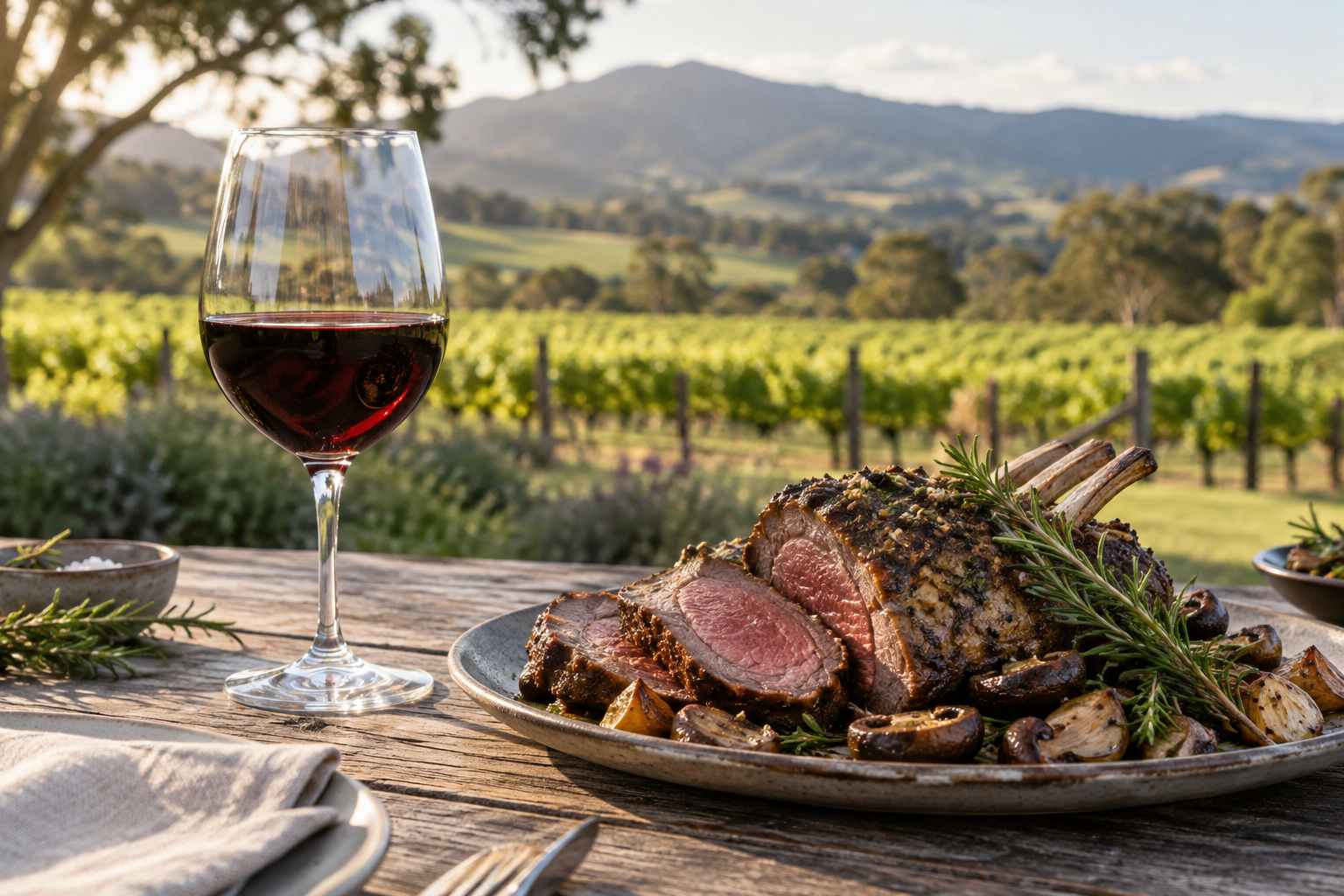
Sir Paz Estate Shiraz is a Yarra Valley red to consider if you enjoy dark fruit, spice and a structured wine for the dinner table. The winery is based in Wandin East, and the bottle’s vintage will influence how rich, peppery or oak-influenced it tastes. Pair it with roast lamb, grilled beef or savoury mushroom dishes, and confirm the estate’s current tasting options before travelling.
Sir Paz Estate Shiraz: understanding the wine style
The useful starting point is the producer, grape and vintage—not a tasting description borrowed from an unrelated bottle. Sir Paz Estate is a Yarra Valley winery based in Wandin East, in the southern part of the region. Its Shiraz should be assessed on its own merits rather than treated as interchangeable with every other Yarra Valley red.
Without a particular vintage specified, a single definitive tasting note would be misleading. These are the main characteristics to look for when tasting:
- Fruit: identify whether the wine leans towards fresh blackberry and dark cherry, ripe plum, or more developed, savoury flavours.
- Spice: distinguish peppery grape character from oak-associated flavours such as vanilla, toast or sweet spice.
- Structure: notice the acidity and tannins separately. Acidity encourages another sip; tannins create the drying sensation on your gums.
- Weight: decide whether the wine feels medium-bodied, broad and generous, or somewhere between the two.
- Finish: look for flavour that remains after swallowing, rather than judging quality by richness alone.
These observations are more useful than a long list of aromas. They help you choose food, decide whether to decant and establish whether the bottle suits your preferences.
A younger release may emphasise fruit and tannin. A sound older bottle may show less obvious primary fruit and more earthy or savoury complexity, but age alone does not guarantee improvement.
Where it fits within Yarra Valley Shiraz
Yarra Valley Shiraz is often discussed in terms of freshness, spice and savoury detail. Those are useful regional reference points, not rules that every vineyard and vintage must follow.
The valley contains different elevations, aspects and growing conditions. Harvest decisions and winemaking also affect ripeness, texture and oak expression. Consequently, a regional label does not tell you whether a particular bottle will be delicate, concentrated or strongly peppery.
When comparing Sir Paz with another Shiraz, taste similar-age releases at similar temperatures. Otherwise, you may be comparing bottle development or serving conditions rather than producer style.
Our guide to Yarra Valley Shiraz producers and their differences provides a broader comparison framework. For context beyond Shiraz, explore the Yarra Valley guide to Cabernet Sauvignon, Shiraz and red blends.
Cabernet Sauvignon commonly brings a different tannin profile and flavours such as blackcurrant or leafy notes. Shiraz can offer a rounder fruit impression and peppery spice, although there is considerable overlap. Choose by the actual wine, not by assuming one grape is always heavier.
Food pairings that make practical sense
For Sir Paz Estate Shiraz, start with savoury food that has enough flavour to match the wine without overwhelming it. Protein, fat and browned cooking surfaces generally provide a better starting point than sugary sauces or aggressive chilli heat.
| Dish | Why it can work | Useful adjustment |
|---|---|---|
| Roast lamb with rosemary | Lamb’s richness suits a structured red, while herbs complement savoury flavours | Keep mint sauce restrained if it is sweet or sharply vinegary |
| Grilled beef or steak | Protein and fat can soften the impression of tannin | Choose moderate char rather than a heavily burnt crust |
| Mushroom and lentil ragù | Mushrooms provide savoury depth, while lentils add substance | Include olive oil and keep tomato acidity balanced |
| Slow-cooked beef cheeks | Rich texture and concentrated meat flavours suit a fuller red | Avoid an excessively sweet glaze |
| Roast duck | Fat and browned skin provide a useful match for fruit and structure | Prefer a savoury jus over a very sweet fruit sauce |
| Mature cheddar | Firm texture and savoury flavour make an accessible pairing | Serve with plain crackers rather than sweet accompaniments |
Match the sauce as carefully as the protein
A steak with pepper sauce and the same steak with a sticky barbecue glaze present different pairing challenges. Pepper can echo Shiraz’s spice; a sugary glaze can make a dry wine seem less fruity and more bitter.
Likewise, a mushroom dish can be an excellent vegetarian pairing, but a very sharp tomato sauce may dominate. Add richness through olive oil, butter or cheese where appropriate, rather than simply making the dish heavier.
Adjust the dish to the bottle’s age
For a youthful, fruit-led bottle, roast meat and moderately robust seasoning are sensible choices. For an older bottle showing more delicate savoury flavours, consider roast chicken with mushrooms, lamb with a restrained jus, or a simple lentil dish.
Very hot chilli is a less dependable match: it can accentuate the warming sensation of alcohol. If heat is central to the meal, test a small sip with the food before committing the bottle to the table.
How to serve it: temperature, glassware and air
A practical starting temperature for Shiraz is approximately 15–18°C. This is a serving guideline, not a producer-specific instruction. In a warm Australian dining room, “room temperature” can leave a red wine tasting overly alcoholic and less defined.
If the bottle feels warm, cool it briefly and check it rather than relying on a fixed chilling time. Refrigerator temperature, bottle size and starting temperature all affect the result.
Use a clean wine glass with enough room to swirl. You do not need a specialised Shiraz glass; a reasonably sized, tulip-shaped red-wine glass is sufficient.
For aeration:
- Open the bottle and taste a small pour.
- If a young wine feels closed or particularly firm, try approximately 20–40 minutes in a decanter.
- Taste again before leaving it exposed for much longer.
- Handle older bottles more cautiously; prolonged aeration can diminish a fragile wine.
Decanting can also separate sediment from mature wine. If sediment is visible, stand the bottle upright beforehand and pour slowly, stopping before the deposit reaches the neck.
For another Shiraz-focused reference, see our Luke Lambert Crudo guide to serving and food pairings. Apply its general serving principles without assuming the two wines have identical styles.
Buying a bottle: what to check first
The most important purchasing detail is the vintage on the bottle actually being sold. A retailer’s photograph or an older review may refer to a different release.
Before buying, check:
- Exact wine name: confirm that the listing is for the Shiraz you intend to purchase.
- Vintage: ask which year will be supplied if the listing is unclear.
- Bottle size: check this before comparing advertised prices.
- Storage history: particularly important for older bottles bought through secondary sellers.
- Condition and returns: understand how the seller handles leakage, damaged bottles or faulty wine.
Do not assume that an older bottle is better value because it has already spent years in storage. Its condition matters as much as its age. Poor storage cannot be corrected by decanting.
Nor should you treat an old review’s suggested drinking window as a guarantee. It is an informed estimate made for a wine at a particular point in its development.
Our guide to buying older Allinda Cabernet and Shiraz bottles explains practical checks that also apply when assessing mature Sir Paz releases.
Wine tasting Yarra Valley: options for trying Sir Paz
For anyone planning a wine tasting Yarra Valley visit around this bottle, the first step is to check Sir Paz Estate’s current visitor information. Tasting availability, booking requirements and the wines being poured can change.
Ask about the estate’s current tasting offering
Before travelling to Wandin East, confirm:
- Whether tastings are available on your intended date.
- Whether a booking is required for your group size.
- Whether Shiraz is included in the current selection.
- Which vintage is being poured.
- Whether any older releases are available to taste or buy.
- The current tasting fee and any purchase-related conditions.
If accessibility, dietary requirements or bringing children affects your plans, ask about those arrangements directly. Do not assume that a cellar door offers a particular meal, facility or tasting format because an older listing mentions it.
Try a bottle before planning a dedicated visit
If the estate is not offering a suitable tasting on your date, ask a wine retailer whether it stocks the current release. Buying a bottle to share over dinner can provide a more revealing food-pairing experience than a short tasting pour.
A useful home comparison is Sir Paz Shiraz alongside another Yarra Valley Shiraz of a similar vintage. Use identical glasses, serve both at comparable temperatures and taste them first without food, then with the same dish.
This makes differences in fruit, acidity and tannin easier to identify. It also helps separate “interesting to taste” from “the wine I would choose with dinner”.
Planning a realistic Wandin East visit
Wandin East is in the southern part of the Yarra Valley, so do not treat a visit as a quick walk between the cellar doors around Healesville or Yarra Glen. Check the estate’s exact location and driving route before arranging other stops.
A manageable wine-focused day usually benefits from fewer appointments and more time at each. Two carefully chosen tastings can be more useful than a rushed sequence in which every wine starts to blur together.
Build your itinerary around confirmed bookings, allow time for food and arrange a designated driver or suitable transport. If using a tour or transfer service, confirm that it specifically covers your intended destination; “Yarra Valley transport” does not automatically mean every estate is included.
During a tasting, use the spittoon if you wish and drink water between wines. Spitting does not guarantee that you are safe to drive, so keep the transport plan independent of how much you expect to consume.
If purchasing bottles, avoid leaving them in a hot parked car. Take them with you where practical and store them somewhere cool once home.
Support local through Yarra Valley Pass
Yarra Valley Pass rewards participation across the Yarra Valley and Dandenong Ranges. Members earn Yarra Credits and redeem them for rewards on the website; browse the current member rewards before planning how to use them.
You can also explore local partner businesses, including Oakridge, Dominique Portet and Coldstream Hills Cellar Door. Check current participation and reward conditions rather than assuming a Sir Paz purchase or tasting is eligible.
The takeaway
Choose Sir Paz Estate Shiraz by its actual vintage, then let the wine’s fruit, tannin and savoury character guide your meal and serving decisions. For a visit, confirm the Shiraz being poured and the current tasting arrangements first. A well-planned tasting—or a thoughtfully matched dinner—will tell you more than a generic regional description.
Frequently asked questions
Where is Sir Paz Estate located?
Sir Paz Estate is based in Wandin East, in the southern part of Victoria’s Yarra Valley. Check the estate’s current visitor information for its exact location, access arrangements and tasting availability before travelling.
What does Sir Paz Estate Shiraz taste like?
The exact profile depends on the vintage and bottle age. When tasting, assess dark berry or plum fruit, peppery or savoury spice, oak influence, acidity and tannin. Use a tasting note for the specific release rather than assuming every vintage tastes the same.
What food pairs well with Sir Paz Estate Shiraz?
Roast lamb, grilled beef, slow-cooked beef cheeks, mushroom and lentil ragù, and mature cheddar are useful starting points. Match the sauce as well as the main ingredient, and be cautious with very sweet glazes or intense chilli heat.
Should I decant Sir Paz Estate Shiraz?
Taste it first. A young bottle that seems closed or firmly tannic may benefit from approximately 20–40 minutes of aeration, followed by another taste. Older bottles need more cautious handling and may only require gentle decanting to remove sediment.
Can I taste Sir Paz Estate Shiraz at the winery?
Check directly with the estate for its current tasting offering. Confirm your intended date, booking requirements, fees and whether Shiraz is being poured, including which vintage is available.
Related reading
- Soumah Wines: Italian varieties, estate labels and visiting the vineyard
- Oakridge Pinot Noir: Willowlake, Henk, Hazeldene and 864 Explained
- Affordable Yarra Valley Chardonnay: entry-level wines compared
- Levantine Hill Pinot Noir: Colleen’s Paddock and 2016–2019 Vintages
- Top wineries in Yarra Valley: 10 benchmark producers and why they matter
- Tokar Estate Tempranillo: Wine Style, Food Pairings and Cellar Door