Yarra Yering Dry Red No 2: The Blend and 2016–2019 Vintages
· Yarra Valley Pass
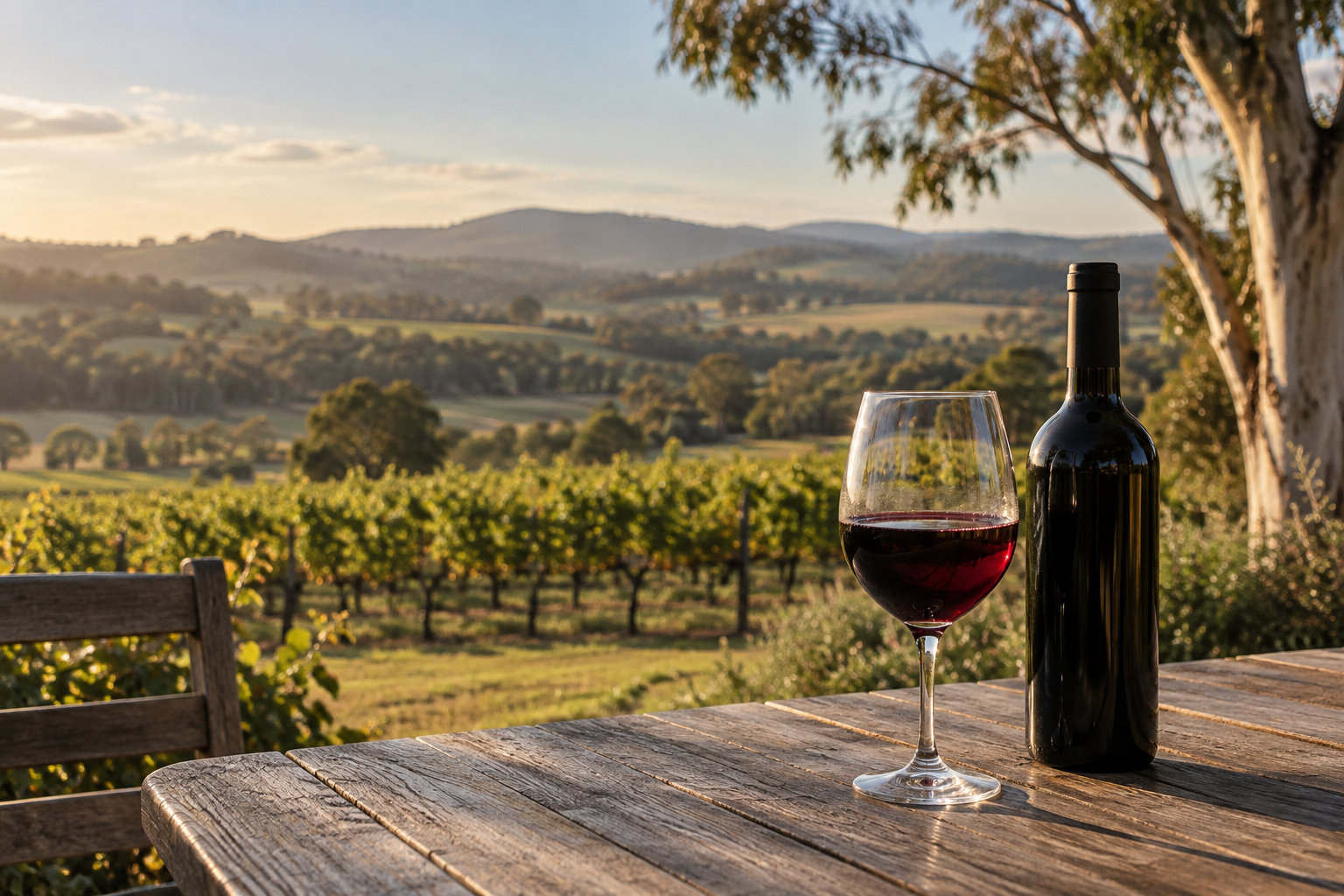
Yarra Yering Dry Red No 2 is a Shiraz-led Yarra Valley red wine, traditionally incorporating small amounts of Mataro, Viognier and Marsanne. The 2016–2019 vintages offer different starting points for exploring its balance of fruit, fragrance and savoury structure. When buying these older bottles, storage history and condition matter more than choosing a vintage by reputation alone.
What is in Yarra Yering Dry Red No 2?
The label’s formal name is Dry Red Wine No. 2. It is not simply a straight Shiraz, and the number does not indicate a quality ranking beneath Dry Red Wine No. 1.
Yarra Yering was established by Dr Bailey Carrodus in 1969, with its first wines made in 1973. Its vineyard is at Gruyere, in the foothills of the Warramate Hills. Dry Red Wine No. 2 belongs to the estate’s founding wine styles, drawing on the Rhône tradition of combining red and white varieties.
The grapes and their roles
- Shiraz provides the main framework: dark and red fruit, spice, tannin and length.
- Mataro, also known as Mourvèdre, can contribute savoury depth and additional structure.
- Viognier is a white variety associated with aromatic lift in Shiraz-based blends.
- Marsanne, another white Rhône variety, can contribute textural complexity.
These supporting grapes are minor components, not equal shares. Exact proportions can change between vintages, so consult the producer’s technical sheet for the particular year rather than applying a current blend percentage to an older bottle.
The white varieties do not make No. 2 sweet. They are part of a dry red wine’s aromatic and textural design. Expect a more nuanced proposition than the shorthand “big Australian Shiraz” suggests, without assuming every vintage will be light-bodied.
For the broader regional context, our guide to Yarra Valley Cabernet Sauvignon, Shiraz and red blends explains how these styles differ.
Comparing the 2016–2019 vintages
A useful comparison separates growing-season character from the condition of the bottle in front of you. A cooler year may favour freshness and fragrance; a warmer year may favour riper fruit. Neither automatically determines quality, alcohol level or readiness to drink.
The descriptions below are regional vintage tendencies and buying considerations, not tasting notes from individually inspected bottles. Vineyard conditions, picking decisions and subsequent storage all influence the result.
| Vintage | Broad seasonal context | What to assess in the bottle | Useful buying angle |
|---|---|---|---|
| 2016 | A warmer growing season with early ripening | Remaining fruit, freshness and developing savoury character | Exploring a more mature expression |
| 2017 | A cooler, extended season | Fragrance, acidity and the integration of tannin | Looking for a fresher stylistic starting point |
| 2018 | Generally warm conditions and favourable ripening | Fruit depth, balance and structural definition | Seeking richness without overlooking freshness |
| 2019 | Heat and dry conditions shaped the regional season | Concentration, tannin and whether the fruit remains lively | Exploring a warmer-year expression |
Yarra Yering No 2 2016: prioritise maturity and provenance
For Yarra Yering No 2 2016, the practical attraction is the opportunity to explore bottle development. Under comparable storage, it has had more time to evolve than the other vintages in this group.
Look for fruit that still supports the wine’s savoury elements. Developing earthy, leathery or dried-herb characters can be appealing, but a mature red should not be excused for tasting flat, excessively oxidised or stripped of fruit.
The warmer-season background makes this a sensible vintage to investigate if you enjoy ripe Shiraz with some age. It is not a guarantee that every bottle will be plush or fully mature. For a special dinner, a well-documented bottle is a better purchase than a cheaper example with an unexplained storage history.
Yarra Yering No 2 2017: a cooler-season reference point
Yarra Yering No 2 2017 is a useful starting point for drinkers interested in the fresher side of Yarra Valley Shiraz. The region’s cooler, longer season provides a sound reason to investigate fragrance, acidity and detail rather than buying solely for weight.
That does not mean the wine must be thin, low in alcohol or ready without air. A cool-season red can still have substantial tannin and need time to settle in the glass.
When comparing it with 2018 or 2019, serve the wines at the same temperature. Otherwise, a warmer bottle can appear broader and more alcoholic, while a colder one can seem tighter and less aromatic. That difference can obscure the vintage comparison.
Yarra Yering Dry Red No 2 2018: assess depth alongside balance
Yarra Yering Dry Red No 2 2018 comes from a generally warm Yarra Valley season. It is a logical vintage to investigate if you want fruit depth while retaining the estate’s layered blend style.
The important question is not simply whether it tastes powerful. Assess whether the fruit, acidity and tannin move together: does the finish remain fresh, or does the wine feel heavy once the initial fruit impression fades?
For buyers choosing between 2017 and 2018, the regional seasonal contrast offers a useful starting point: investigate 2017 for cooler-season definition and 2018 for a potentially broader expression. Producer information and bottle condition should then refine that choice.
Yarra Yering Dry Red No 2 2019: concentration is not the whole story
Yarra Yering Dry Red No 2 2019 should be approached with the region’s hot, dry seasonal conditions in mind. However, translating “hot year” directly into “jammy wine” overlooks vineyard management, harvest timing and the producer’s style.
Look for concentration supported by freshness, and distinguish firm tannin from an actual fault. A structured wine may improve with gentle aeration; a heat-damaged bottle will not recover simply because it spends longer in a decanter.
Do not assume 2019 is automatically the best bottle to cellar because it is the youngest of these four. The strongest candidate for further ageing is the sound, well-stored bottle whose fruit and structure remain balanced—not necessarily the one with the most recent date.
How No. 2 differs from other Yarra Valley reds
The easiest comparison is with the estate’s Cabernet-led No. 1. No. 2 places Shiraz at the centre, so the discussion shifts towards spice, fragrance and the contribution of its Rhône varieties rather than Cabernet’s characteristic framework.
Read our guide to Yarra Yering Dry Red No. 1 and its 2016–2019 vintages if you are deciding between the two labels. Neither is inherently the better purchase; they answer different preferences.
For another regional Shiraz reference, our Luke Lambert Crudo guide explores a different label and drinking context. Comparing producers helps separate the character of Yarra Valley Shiraz from the character of one particular estate.
Buying older bottles: what to check
For these vintages, provenance deserves as much attention as the vintage number. Before ordering, ask the seller:
- How was the wine stored? Temperature-controlled storage is more reassuring than an unsupported claim that it was “cellared”.
- Is there an ownership history? Direct release purchases with documented storage are easier to assess than bottles that have changed hands repeatedly.
- Can you see photographs of the actual bottle? Check the fill level, capsule and any signs of leakage.
- What is the policy for faulty wine? Clarify this before opening, especially with private sales and auctions.
- Does the listing identify the exact label and vintage? Confirm Dry Red Wine No. 2 rather than relying on a shortened product title.
A stained label can be cosmetic. Seepage, a pushed cork or an unexpectedly low fill level deserves more scrutiny, though no external inspection can guarantee the wine inside.
Compare the total cost, including delivery and any buyer’s premium. For warm-weather shipping, ask how the seller manages temperature exposure and delivery timing.
Our older-bottle buying guide using Allinda’s 2016 reds expands on these condition checks. Avoid assigning a rigid drinking deadline: storage, closure and personal preference make precise guarantees unreliable.
Serving and food pairings
Start cool and decant according to the bottle
Serve No. 2 at around 16–18°C, rather than automatically accepting the temperature of a warm dining room. Let it warm gradually in the glass if necessary.
If sediment is visible, stand the bottle upright ahead of serving, ideally for a day when your plans allow. Open it carefully and taste a small pour before deciding on aeration.
- Expressive and mature: pour gently, or decant just before serving to separate sediment.
- Tight but otherwise sound: try a short decant and reassess after 15–30 minutes.
- Fragile or fading: avoid prolonged aeration and serve promptly.
Do not apply a compulsory two-hour decant to every vintage. Mature bottles can lose their best aromas with excessive exposure. A crumbly cork is not itself proof of faulty wine, while persistent musty, wet-cardboard aromas can indicate cork taint.
Choose savoury dishes with moderate richness
Good starting points include:
- Roast lamb with rosemary: savoury flavours and protein suit a structured Shiraz-led red.
- Beef cheeks or slow-cooked beef: particularly useful when the bottle still has firm tannin.
- Mushroom pie or roasted mushrooms with lentils: earthy flavours work well with developing bottle complexity.
- Duck with a restrained fruit sauce: keep sweetness modest so the wine does not taste sharper by comparison.
- Grilled aubergine with herbs and olive oil: a vegetarian option with enough richness to meet the wine.
Keep chilli heat and sugary barbecue sauces in check. If comparing vintages, serve the same dish with each wine rather than changing both food and bottle at once.
Know before you go: planning a Yarra Valley visit
Yarra Yering is in Gruyere, in the Yarra Valley’s vineyard country. Plan it as a deliberate tasting destination rather than assuming an older vintage will be available during an unbooked stop.
Before travelling, confirm current tasting arrangements, booking requirements and which wines are being poured. Specifically ask whether 2016–2019 No. 2 bottles are available to taste or purchase; cellar-door availability and secondary-market availability are different things.
Keep the itinerary manageable. Leave time for conversation, food and travel between properties, and organise a designated driver or suitable transport if you intend to taste wine.
Oakridge, Coldstream Hills Cellar Door and Punt Road Wines are among Yarra Valley Pass’s partners. Browse local partner businesses when building your itinerary, then check each venue’s location and current arrangements. Inclusion in this guide does not establish reward eligibility at Yarra Yering.
Yarra Valley Pass members earn Yarra Credits and redeem them for member rewards on this website. Check eligible participation details before assuming a particular visit or purchase qualifies.
The practical takeaway
Choose Yarra Yering Dry Red No 2 for its Shiraz-led, Rhône-inspired blend—not merely its vintage reputation. Use 2016–2019 seasonal differences to narrow your search, then let provenance, bottle condition and your preferred level of maturity decide. Serve thoughtfully, pair it with savoury food, and allow the individual bottle to set the pace.
Frequently asked questions
What grapes are in Yarra Yering Dry Red No 2?
Yarra Yering Dry Red Wine No. 2 is predominantly Shiraz, traditionally supported by small amounts of Mataro, Viognier and Marsanne. Exact proportions can vary, so check the producer’s technical information for the specific vintage.
How does Yarra Yering No 2 2017 compare with 2019?
The 2017 Yarra Valley season was cooler and more extended, making it a useful starting point for exploring freshness and fragrance. The hotter, drier 2019 season provides a different context for concentration and structure. These are seasonal tendencies, not guarantees about individual bottles.
Are the 2016–2019 vintages ready to drink?
Well-stored examples can be considered for drinking, but vintage alone cannot establish readiness. Check provenance and condition, then taste on opening. Further ageing is a judgement about the individual wine’s remaining fruit, freshness and structure, not simply its year.
Should I decant an older bottle of Dry Red No 2?
Taste it first. An expressive, mature bottle may need only gentle pouring or a brief decant to remove sediment. A tight but sound bottle may benefit from short aeration, while a fragile wine is better served promptly.
What is the difference between Yarra Yering Dry Red No 1 and No 2?
Dry Red No. 1 is a Cabernet-led blend, while Dry Red No. 2 is Shiraz-led with Rhône varieties in supporting roles. The numbers identify different wines; they are not a quality ranking.
Related reading
- Soumah Wines: Italian varieties, estate labels and visiting the vineyard
- Oakridge Pinot Noir: Willowlake, Henk, Hazeldene and 864 Explained
- Affordable Yarra Valley Chardonnay: entry-level wines compared
- Levantine Hill Pinot Noir: Colleen’s Paddock and 2016–2019 Vintages
- Top wineries in Yarra Valley: 10 benchmark producers and why they matter
- Tokar Estate Tempranillo: Wine Style, Food Pairings and Cellar Door