Yering Station wine: labels, styles and estate guide
· Yarra Valley Pass
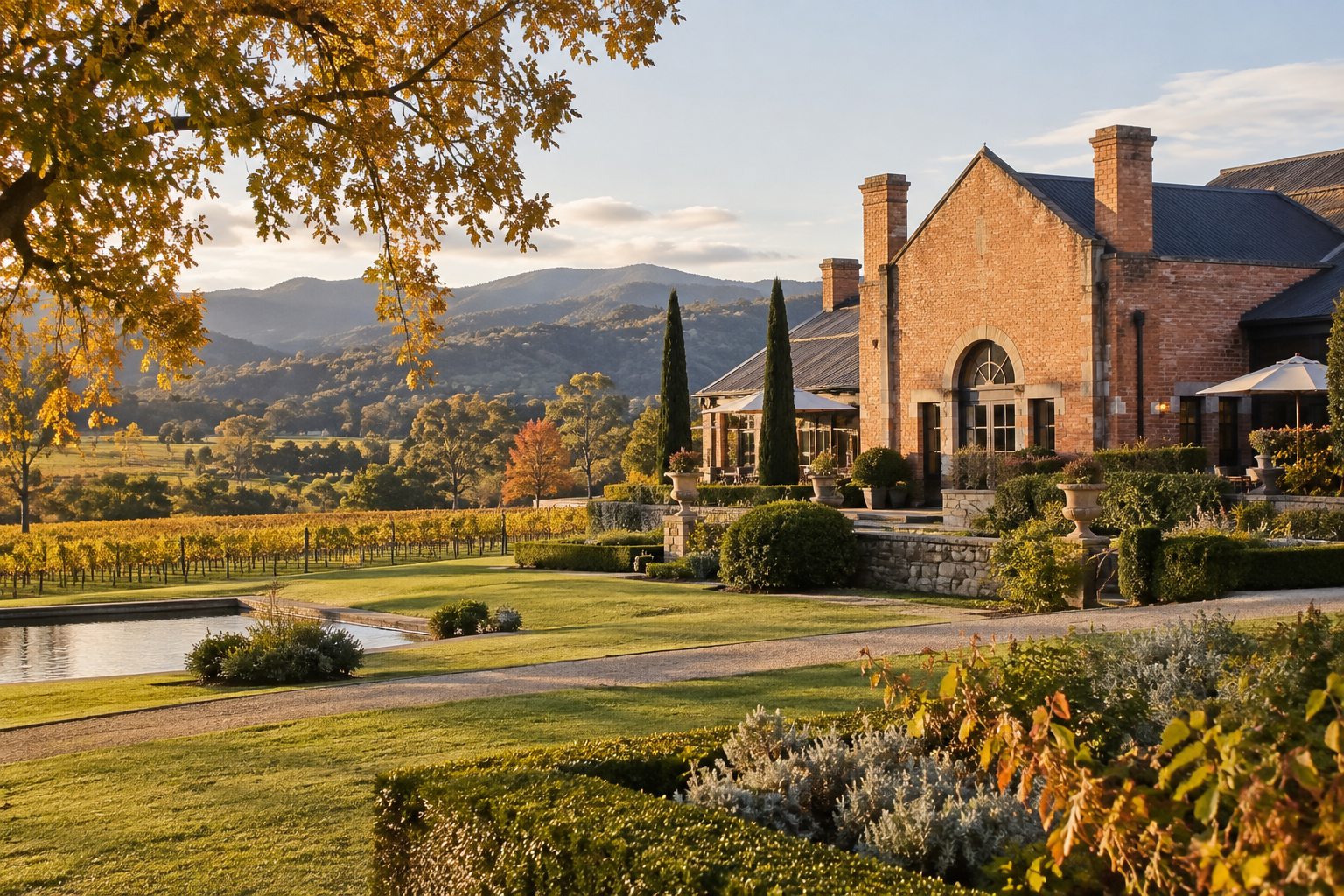
Yering Station wine is best known for Yarra Valley Chardonnay, Pinot Noir and Shiraz Viognier, with a portfolio spanning approachable everyday bottles, the core Yering Station range and Reserve selections. At its Yarra Glen estate, a cellar-door tasting is the most useful way to compare those styles, while the historic winery, gardens and restaurant give you reasons to linger.
Where is Yering Station, and why does it matter?
Yering Station is on Melba Highway in Yarra Glen, in the northern part of the Yarra Valley. It is a practical starting point for exploring wineries around Yarra Glen and Coldstream without trying to cover the entire region in one day.
Victoria’s first vineyard was planted here in 1838 by the Ryrie brothers. The historic brick winery building dates to 1859, while the Rathbone family acquired the estate in 1996. That history helps explain the name’s significance, but it does not mean today’s wines come from vines planted in the nineteenth century.
If you searched for “Yarra Valley Yering Station” or “Yarra Station winery”, check that your map result and booking refer to Yering Station in Yarra Glen. Yering Farm is a separate winery; similar regional names can cause itinerary mistakes.
For context on how this estate fits into the wider region, use our guide to Yarra Valley wineries and cellar doors.
Yering Station wine labels: how the ranges compare
Start with the range name, then look at the variety, vintage and geographical indication on the bottle. These tell you more than price alone, particularly when comparing an everyday label with a selected Reserve wine.
The following is a guide to the portfolio rather than a promise that every label will be available during your visit.
| Label or range | General role | What to explore |
|---|---|---|
| Little Yering | Approachable, everyday-drinking wines | Fruit character, freshness and straightforward enjoyment; check each bottle’s regional designation |
| Village | An accessible introduction to Yarra Valley styles | Chardonnay, Pinot Noir or other available varieties as a starting point for comparison |
| Yering Station core range | A fuller expression of the producer’s principal wines | Chardonnay, Pinot Noir, Shiraz Viognier and Cabernet Sauvignon, depending on the release |
| Reserve | Selected wines at the premium end of the portfolio | Concentration, structure, texture and capacity to develop with careful cellaring |
| Yarrabank | Sparkling wines associated with the estate | Traditional-method sparkling and the influence of time spent on yeast lees |
What does “Reserve” actually tell you?
At Yering Station, Reserve identifies a producer-selected tier. It is not a universal Australian grading system, nor does the word alone guarantee a particular vineyard, minimum bottle age or amount of oak.
Ask what distinguished the selection in that vintage: particular parcels of fruit, individual barrels, blending decisions or a combination. Reserve is not automatically the best choice for tonight’s dinner; a more accessible wine may better suit the food and your preferred drinking style.
Likewise, do not assume that everything carrying the winery name was grown beside the cellar door. The regional designation and the producer’s technical information are your best guides to origin.
The main wine styles to explore
Chardonnay: compare texture as well as flavour
Chardonnay is a strong starting point because it can reveal differences in fruit selection and winemaking clearly. Depending on the vintage and release, look for citrus or stone-fruit flavours, refreshing acidity and varying degrees of oak influence.
The useful question is not simply whether a wine is “oaky”. Ask how barrel fermentation, maturation and lees contact contribute to its texture. A wine can feel broad or creamy without tasting strongly of vanilla or toast.
If a core Chardonnay and Reserve Chardonnay are both available, compare them side by side. Notice length and balance, not just which has the richest first impression.
Pinot Noir: look beyond colour
Yarra Valley Pinot Noir can combine red-fruit flavours with savoury detail and fine tannins. Vintage, site and winemaking influence whether a particular bottle feels bright and delicate or deeper and more structured.
Do not judge quality by colour: Pinot Noir is naturally lighter-coloured than varieties such as Shiraz. Instead, consider the clarity of the fruit, the feel of the tannins and how long the flavour remains after swallowing or spitting.
Ask whether the wine is intended for early enjoyment or would benefit from time in bottle.
Shiraz Viognier: understand the blend
Shiraz Viognier is an important part of Yering Station’s identity. Viognier is a white grape, but a small proportion can be used with Shiraz to influence aroma, texture and the finished wine’s expression.
It does not necessarily make the wine sweet or taste like a white wine. Expect a dry red, with possible floral lift alongside dark fruit, spice and savoury characters. Ask how the varieties were combined in the release you are tasting.
Cabernet Sauvignon and Yarrabank sparkling
Cabernet Sauvignon offers another comparison point, particularly if you enjoy firmer structure and blackcurrant-like fruit. Availability varies, so check the current range rather than assuming it will appear in every tasting.
Yarrabank was developed through a collaboration with Champagne house Devaux. Its traditional-method sparkling wines undergo their secondary fermentation in the bottle, a process that can contribute fine bubbles and bread-like or toasted complexity through lees ageing. They are Australian sparkling wines, not Champagne.
What the Yering Station vineyard tells you about the wine
A Yarra Valley vineyard’s altitude, exposure, soils and seasonal conditions all influence how grapes ripen. The region is not a single uniform growing environment: warmer valley-floor locations and cooler, higher sites can produce different expressions of the same variety.
Yering Station’s estate setting belongs to the lower, northern part of the valley. However, the view from the visitor precinct is not a complete map of the fruit behind every bottle.
Use the tasting to ask three specific questions:
- Where was this wine’s fruit grown? Ask whether it comes from one site or several.
- What happened in that vintage? Cooler conditions, heat or rainfall can change the wine’s profile.
- How did the winemaking respond? Picking decisions, fermentation and maturation help shape the result.
This separates vineyard influence from cellar choices and makes comparisons between ranges more meaningful.
Wine tasting Yarra Valley: making your visit useful
Choose a tasting around a question you want answered. “Which Pinot Noir suits my taste?” is more productive than trying to sample everything available.
For a first visit, ask whether you can compare:
- An accessible Chardonnay with a more structured example.
- Two Pinot Noirs from different tiers, where available.
- Shiraz Viognier with another red style.
- A Yarrabank sparkling wine, if included in the current offering.
Not every tasting permits substitutions or includes premium wines. Confirm the format, fee, duration and booking requirements directly before arriving, especially for groups or if there is a particular bottle you want to try.
During the tasting, note fruit, texture, acidity, tannin and finish. Those five headings are enough to remember why you preferred one wine over another. Photographing the bottle label, with permission, is often more useful than trying to memorise a vintage.
Use the spittoon if you are visiting multiple cellar doors. Spitting helps moderate consumption, but it does not establish that you are safe or legally able to drive. Arrange a non-drinking driver or suitable transport in advance.
What to explore at the estate beyond the tasting
The contrast between Yering Station’s historic brick winery and its contemporary visitor spaces is part of the appeal. Allow time to appreciate the buildings and landscaped grounds rather than treating the estate only as a bottle-shopping stop.
Art and sculpture also form part of the setting. Current exhibitions, displays and access arrangements can change, so check what is available if art is a major reason for your visit.
The restaurant offers an opportunity to turn a tasting into a longer outing. Check its current service arrangements, menu and reservation requirements separately from the cellar door; a tasting booking should not be assumed to include a dining reservation.
For photographs, stay within visitor areas and keep clear of working operations. Vineyard rows are agricultural spaces, not automatically public walking tracks. Ask staff where you may walk rather than stepping between vines for a photograph.
Build a compact itinerary around Yarra Glen
Yering Station works well as an anchor for a northern-valley day. Choose one or two additional stops based on the wines you want to compare, rather than filling the route with every recognisable name.
Yarra Glen and nearby Coldstream provide a manageable focus. Healesville or the Upper Yarra can also be worthwhile, but adding them changes the driving and leaves less time at each estate. Our town-by-town winery planning guide can help you choose a coherent route.
For another Chardonnay or Pinot Noir comparison, read our explanation of Oakridge’s wine ranges and vineyard sites before deciding whether it suits your day.
A practical pattern is one booked tasting, lunch and one further cellar door. If you plan to dine at Yering Station, keep the surrounding schedule light enough to enjoy it without watching the clock.
Know before you go
Before setting out, confirm the details that change most often:
- Cellar-door access: Check current opening arrangements and whether bookings are required for your party.
- Tasting availability: Ask about the specific varieties or premium labels you hope to compare.
- Dining: Reserve separately and raise dietary requirements before the visit.
- Children and accessibility: Confirm suitable facilities, seating, access routes and any restrictions directly.
- Weather: Bring layers for outdoor time; a sunny forecast does not guarantee warm conditions throughout the day.
- Purchases: Keep wine out of a hot parked car and ask about delivery if you are travelling onwards.
If buying wine to cellar, request advice for the particular vintage. Drinking windows are estimates, and storage conditions matter as much as the number of years on your calendar.
Support local while exploring the valley
Yarra Valley Pass members earn Yarra Credits through participation and redeem them for member rewards. Check the participating local businesses and relevant activity conditions when planning your day; do not assume a Yering Station tasting or purchase earns credits simply because the winery appears in this guide.
The best approach to Yering Station
Start with Chardonnay, Pinot Noir or Shiraz Viognier, then compare labels according to your taste rather than prestige alone. Leave room for the estate’s history and setting, and a focused Yering Station visit can be more rewarding than a rushed circuit of cellar doors.
Frequently asked questions
What wine is Yering Station known for?
Yering Station is particularly associated with Yarra Valley Chardonnay, Pinot Noir and Shiraz Viognier. Its portfolio also includes Cabernet Sauvignon and Yarrabank sparkling wines, with availability varying by release.
Where is Yering Station winery?
Yering Station is on Melba Highway in Yarra Glen, Victoria, in the northern Yarra Valley. It is a different business from Yering Farm, so check the winery name carefully when searching maps or making bookings.
What is the difference between Yering Station and Reserve wines?
The core Yering Station range introduces the producer’s principal styles, while Reserve identifies selected wines at the premium end of its portfolio. Selection can involve fruit parcels, barrels and blending decisions; ask about the particular vintage rather than treating Reserve as a universal quality grade.
Is Yarrabank Champagne?
No. Yarrabank is Australian sparkling wine associated with Yering Station and developed through a collaboration with Champagne house Devaux. Its traditional-method wines undergo secondary fermentation in the bottle, but Champagne is a protected regional name.
Do you need to book a Yering Station wine tasting?
Check directly with Yering Station for current booking requirements, tasting formats and fees. Advance confirmation is especially useful for groups, busy visiting periods or access to particular wines. Restaurant reservations should be arranged separately.
Related reading
- Soumah Wines: Italian varieties, estate labels and visiting the vineyard
- Oakridge Pinot Noir: Willowlake, Henk, Hazeldene and 864 Explained
- Affordable Yarra Valley Chardonnay: entry-level wines compared
- Levantine Hill Pinot Noir: Colleen’s Paddock and 2016–2019 Vintages
- Top wineries in Yarra Valley: 10 benchmark producers and why they matter
- Tokar Estate Tempranillo: Wine Style, Food Pairings and Cellar Door