Giant Steps Chardonnay: Regional Blend and 2018–2021 Vintages
· Yarra Valley Pass
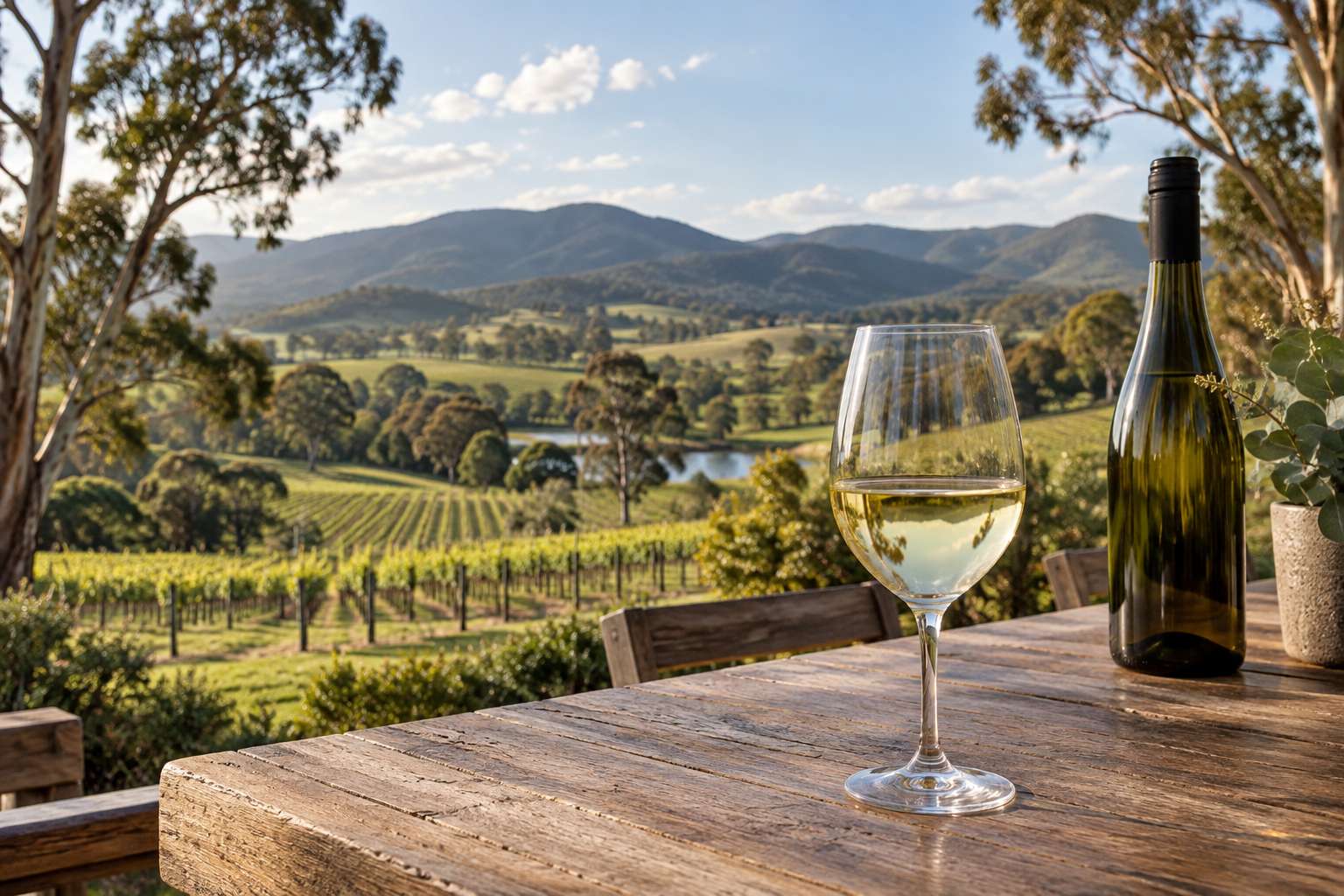
Giant Steps Chardonnay usually refers to the producer’s Yarra Valley Chardonnay, a regional, multi-vineyard wine rather than one of its named single-vineyard bottlings. The 2018–2021 releases reflect different growing seasons, but when buying these older vintages, storage history and bottle condition matter as much as the year on the label.
Giant Steps Chardonnay: what the regional blend means
Giant Steps is a Healesville-based producer particularly associated with Chardonnay and Pinot Noir. Its regional Chardonnay brings together fruit from different Yarra Valley vineyards, while its single-vineyard wines explore individual sites.
That distinction matters when searching retailer listings. A bottle labelled Giant Steps Yarra Valley Chardonnay is not interchangeable with a Giant Steps Sexton Vineyard or Applejack Vineyard Chardonnay, even when the vintage is identical.
A multi-vineyard blend allows the winemaker to combine complementary fruit characters, acidity and texture. It expresses the region more broadly rather than presenting a single vineyard’s particular conditions. The vineyard mix can change between releases, so do not assume that every vintage contains precisely the same sites or proportions.
The typical regional style combines citrus and white stone fruit with fresh acidity, a gently textured palate and integrated oak. It is generally a dry Chardonnay, not a sweet wine, and oak use does not automatically make it heavily buttery.
For wider context, our guide to Yarra Valley Chardonnay producers, styles and vintages explains how regional blends fit alongside estate and single-vineyard wines.
What the winemaking contributes
Giant Steps’ Chardonnay approach is associated with hand-picked fruit, whole-bunch pressing, fermentation with indigenous yeasts and French oak maturation. These choices help build texture and complexity while retaining the freshness of the fruit.
However, exact oak percentages, maturation periods and fermentation details belong to the individual wine and vintage. A technical description for a current release, or for a single-vineyard bottling, should not be treated as the specification for the 2018 regional wine.
It also helps to separate three sensations:
- Fruit ripeness: peach or nectarine flavours are not evidence of residual sugar.
- Oak influence: toast, spice or vanilla can come from barrel maturation.
- Creaminess: texture and buttery flavours can reflect several winemaking choices, including malolactic fermentation, rather than oak alone.
Giant Steps Chardonnay 2018–2021 at a glance
Vintage conditions provide a useful starting point, not a guaranteed tasting note. The comparisons below concern the regional bottling; they are not a quality ranking and should not be transferred automatically to Giant Steps’ single-vineyard releases.
| Vintage | Broad Yarra Valley context | What to assess in an older bottle |
|---|---|---|
| 2018 | Generally warm, with good ripeness | Whether developed fruit and texture still have freshness |
| 2019 | Warm, dry conditions made picking decisions important | The balance between ripe fruit, acidity and oak |
| 2020 | A challenging growing season with reduced crops in many vineyards | Concentration, balance and documented storage |
| 2021 | Cooler conditions supported gradual ripening | Citrus definition, freshness and developing complexity |
Giant Steps Chardonnay 2018
The 2018 release is worth considering if you enjoy Chardonnay with some bottle development rather than exclusively youthful fruit. The generally warm season provides context for ripeness, although harvest timing and vineyard selection remain important to the finished style.
With sound storage, an older Chardonnay may move from fresh citrus and stone fruit towards baked apple, nuts and a more savoury character. These are possible developments, not a tasting report for every bottle of Giant Steps Chardonnay 2018.
Buy this vintage on provenance rather than nostalgia. A carefully cellared bottle can be more attractive than a younger one that has spent years in a warm kitchen or exposed shop display.
Giant Steps Chardonnay 2019
The warm, dry 2019 season makes balance a useful focus. Ripeness is only part of the picture: picking decisions determine how much freshness remains alongside fruit weight.
For Giant Steps Chardonnay 2019, look for a retailer description that discusses acidity and finish as well as peach, nectarine or citrus flavours. Broad descriptions such as “rich Chardonnay” do not tell you whether the wine feels lively or heavy.
When comparing 2018 and 2019, avoid assuming that the younger vintage must be fresher. Their storage histories may differ, and a one-year age difference is less informative than reliable evidence of good cellaring.
Giant Steps Chardonnay 2020
The 2020 growing season was challenging across the Yarra Valley, with difficult spring conditions and reduced crops in many vineyards. Smaller yields can contribute to concentration, but they do not establish a wine’s quality by themselves.
Australian bushfire headlines also need careful interpretation. Smoke exposure varied by location and timing; it is inaccurate to treat every Victorian wine from 2020 as smoke-affected. Equally, a general regional summary cannot certify an individual bottle.
For Giant Steps Chardonnay 2020, focus on the actual regional release, any vintage-specific producer information and the seller’s storage record. Do not pay a premium solely because a listing describes it as a scarce or low-yield vintage.
Giant Steps Chardonnay 2021
The cooler 2021 season is a useful reference point for buyers who favour freshness and definition. Gradual ripening supported the balance between flavour development and acidity that makes cool-climate Chardonnay appealing.
A listing for Giant Steps Yarra Valley Chardonnay 2021 should show the regional label, rather than a named vineyard. This is particularly important when comparing reviews: a glowing assessment of the 2021 Sexton Vineyard wine is not an assessment of the regional blend.
Although 2021 is younger than the other vintages here, it is no longer a newly released wine. Buy it for the combination of remaining freshness and emerging complexity, subject to sound storage, rather than expecting every bottle to taste exactly as it did at release.
How to buy an older bottle without guessing
For 2018–2021 purchases, the most useful questions are practical ones. Scores and vintage reputation cannot reveal whether a particular bottle has been exposed to heat.
Check the exact wine first
Ask for a clear photograph of the front and back labels. Confirm:
- The producer is Giant Steps.
- The wine is Chardonnay.
- The designation is Yarra Valley, rather than a named vineyard.
- The vintage matches the listing.
- The bottle size and closure are clear.
Retailers sometimes group reviews or descriptions across vintages. Make sure any quoted assessment applies to the wine you are actually buying.
Ask about provenance and condition
Find out whether the wine came directly from the producer, a distributor or a private collection. Ask how it has been stored and whether that history is documented.
A cool, stable environment is preferable to repeated temperature changes. A screwcap does not remove the need for proper storage. Leakage, a damaged closure or evidence of heat exposure deserves attention; a scuffed label alone says relatively little about the wine inside.
Check the seller’s policy for faulty bottles before purchasing, particularly through auctions or private sales. Do not assume the same protections apply everywhere.
There is no universal drinking deadline for these vintages. For another perspective on mature regional Chardonnay, read our guide to Yarra Yering Chardonnay 2018 and buying older bottles.
Serving Giant Steps Chardonnay and choosing food
Serve the wine cool rather than ice-cold. Around 10–12°C is a useful starting point, allowing it to warm gradually in the glass. Very cold service can suppress aroma and make acidity seem more prominent.
Use a reasonably spacious white-wine glass. Taste before deciding whether to decant: an older bottle may benefit from a little air, but a fragile wine can lose its best aromas with prolonged exposure. Opening it and following its development in the glass is a sensible default.
Food pairings that suit the regional style include:
- Roast chicken with lemon and herbs.
- Grilled trout or salmon.
- Mushroom risotto.
- Scallops with a restrained butter sauce.
- Roasted cauliflower with toasted almonds.
For a more developed bottle, roasted flavours and mushrooms can complement savoury complexity. With a fresher bottle, citrus and lighter seafood preparations are useful matches. Avoid making chilli heat, sweetness or a strongly acidic sauce the dominant element of the meal.
Regional blend or single vineyard: which should you choose?
Choose the regional bottling when you want an introduction to Giant Steps wine and the producer’s broader Yarra Valley Chardonnay style. Choose a single-vineyard release when you want to investigate a particular site, or when you already know which vineyard character you prefer.
Neither category guarantees that an older bottle will be better preserved. Condition remains crucial at both levels.
Our comparison of Giant Steps Sexton Vineyard and Applejack Chardonnay explains the distinction in more detail. For a different producer’s approach to regional and more site-specific bottlings, explore Oakridge’s Yarra Valley Chardonnay, Willowlake and 864 range.
A side-by-side tasting is particularly useful: keep the vintage constant where possible, so you are comparing vineyard expression rather than several changing factors at once.
Know before you go: visiting Giant Steps in Healesville
Healesville is a useful base for exploring this part of the Yarra Valley. However, tasting a current release at the producer is different from finding bottles of the 2018–2021 vintages.
Before travelling, check Giant Steps’ current cellar-door details, booking requirements, tasting format and available wines. Ask specifically about older vintages if that is the purpose of your visit; neither pours nor takeaway stock should be assumed.
Keep the day manageable. Allow time between appointments, eat between tastings and arrange a designated driver or suitable transport rather than relying on everyone remaining able to drive.
Giant Steps is a Yarra Valley Pass partner. Other partners include Oakridge and Coldstream Hills Cellar Door; browse the local partner businesses to identify nearby options, then confirm arrangements directly with each venue.
Yarra Valley Pass members earn Yarra Credits and redeem them for member rewards on this website. Check the available rewards and their conditions when planning your visit.
The takeaway
Giant Steps’ regional Chardonnay is a multi-vineyard expression of the Yarra Valley, not a substitute label for its single-vineyard wines. Use the 2018–2021 vintage differences to guide your preferences, then prioritise the exact bottling, trustworthy storage and sensible service. For older Chardonnay, the best purchase is a well-kept bottle that suits your taste—not simply the most celebrated year.
Frequently asked questions
Is Giant Steps Chardonnay a regional blend or a single-vineyard wine?
Giant Steps Yarra Valley Chardonnay is the regional, multi-vineyard bottling. The producer also makes named single-vineyard Chardonnays, including Sexton Vineyard and Applejack Vineyard. Check the full label when comparing prices, reviews or vintages.
Is Giant Steps Chardonnay buttery or heavily oaked?
The regional wine generally balances citrus and stone fruit with fresh acidity, texture and integrated oak. It is not best understood simply as a heavily buttery Chardonnay. Exact oak and fermentation details should be checked against the relevant vintage’s technical information.
What is the difference between Giant Steps Chardonnay 2018 and 2019?
Both came from generally warm Yarra Valley seasons, with 2019 also characterised by dry conditions. In older bottles, differences in development, fruit weight and freshness may be apparent, but storage history can matter more than the one-year age difference. Compare the same regional bottling, not different vineyard wines.
Can Giant Steps Yarra Valley Chardonnay 2021 still be worth buying?
Yes, a well-stored bottle can be worth considering, especially if you enjoy Chardonnay with freshness and some developing complexity. There is no guaranteed drinking window for every bottle, so assess provenance, condition and the seller’s faulty-bottle policy before buying.
Does the 2020 vintage mean Giant Steps Chardonnay is smoke-affected?
No. Australian bushfire headlines do not establish the condition of every Victorian wine from 2020. Exposure varied by location and timing. Look for information about the specific wine and vintage rather than assuming that all bottles are affected—or that a regional summary guarantees an individual bottle.
Can I taste the 2018–2021 vintages when visiting Giant Steps?
Do not assume older vintages are included in a tasting or available to purchase. Contact the producer before travelling to confirm current tasting arrangements and ask specifically about the regional Chardonnay vintages you want to try.
Related reading
- Soumah Wines: Italian varieties, estate labels and visiting the vineyard
- Oakridge Pinot Noir: Willowlake, Henk, Hazeldene and 864 Explained
- Affordable Yarra Valley Chardonnay: entry-level wines compared
- Levantine Hill Pinot Noir: Colleen’s Paddock and 2016–2019 Vintages
- Top wineries in Yarra Valley: 10 benchmark producers and why they matter
- Tokar Estate Tempranillo: Wine Style, Food Pairings and Cellar Door