Mount Mary Quintet Best Vintages: Differences and Buying Tips
· Yarra Valley Pass
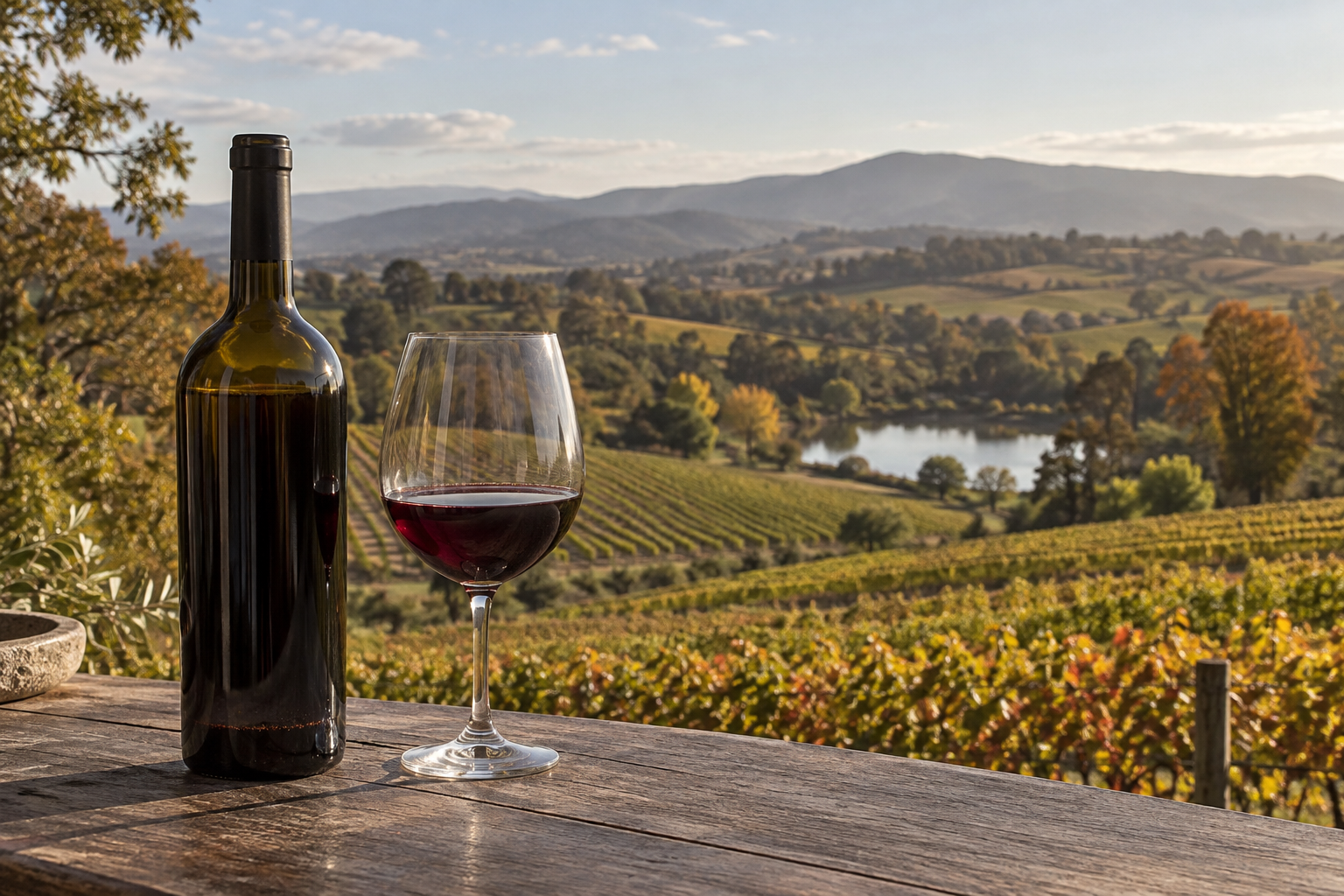
For a practical shortlist of Mount Mary Quintet best vintages, begin with 2015 and 2018, then consider 2019 alongside them rather than chasing a single winning year. The 2004 and 2006 vintages are mature-bottle purchases where provenance matters more than rankings, while 2013, 2014, 2016 and 2020 deserve individual assessment. Your best choice depends on whether you want developed flavours now or a bottle to cellar.
What is Mount Mary Quintet?
Mount Mary Quintet is an estate-grown Yarra Valley red combining five Bordeaux varieties: Cabernet Sauvignon, Merlot, Cabernet Franc, Malbec and Petit Verdot. It is a blend, not a straight Cabernet Sauvignon, and the proportions can change between vintages.
Cabernet Sauvignon provides much of its structural backbone. The other varieties contribute fruit, fragrance, texture and additional tannin, although those roles overlap rather than working like a fixed recipe.
The style is generally associated with restraint, detail and ageing potential rather than sheer weight. Depending on vintage and maturity, look for currant fruit, leafy or herbal complexity and cedar-like development. These are style pointers, not a promise that every bottle will show the same aromas.
For the regional context, our guide to Yarra Valley Cabernet Sauvignon, Shiraz and red blends explains how these wine styles differ.
Mount Mary Quintet best vintages: a practical comparison
“Best” can mean the strongest cellar candidate, the most enjoyable mature bottle or the smartest purchase at a particular asking price. Those are different decisions.
The table below is a buying framework, not a numerical ranking or a set of guaranteed drinking windows.
| Vintage | Useful place on your shortlist | Main buying consideration |
|---|---|---|
| 2004 | Mature wine for developed complexity | Storage history, fill level and signs of leakage |
| 2006 | Another mature option, assessed bottle by bottle | Provenance and recent condition reports |
| 2013 | A warmer-season vintage worth comparing | Balance and development in recent tasting notes |
| 2014 | An alternative to the most sought-after years | Individual wine assessment rather than regional reputation |
| 2015 | A strong starting point for a cellar-focused shortlist | Condition, current development and intended drinking date |
| 2016 | A useful comparison with 2015 | Do not equate an earlier harvest with a heavier wine |
| 2018 | Another strong starting point for cellaring | Whether its current structure suits drinking now |
| 2019 | Worth comparing directly with 2018 | Freshness, fruit expression and tannin integration |
| 2020 | A younger option requiring wine-specific assessment | Producer information and recent reviews of Quintet itself |
For a special dinner, a well-stored mature bottle may make more sense than a younger, highly rated vintage. For a cellar purchase, remaining development potential matters more than immediate softness.
Avoid converting a regional vintage chart into a verdict on one estate. Site, harvest decisions, blending and storage all influence the bottle you eventually open.
Mount Mary Quintet 2004 and 2006: buy the history, not just the year
Mount Mary Quintet 2004 and Mount Mary Quintet 2006 should be approached as mature wines. The central question is no longer simply whether the growing season was favourable: it is how the particular bottle has travelled and been stored.
Ask whether it came from one documented cellar or changed hands several times. Request photographs showing the fill level, capsule and any staining. A sound label is reassuring cosmetically, but it does not establish good storage.
Buy these years for the possibility of developed savoury complexity and softened texture, not the expectation of youthful fruit. Neither age nor reputation guarantees that a bottle is at its peak.
If the seller cannot explain the storage history, the uncertainty should influence what you are prepared to pay.
Mount Mary Quintet 2013 and 2014: distinguish season from bottle quality
The Yarra Valley’s 2013 season was generally warm and early. When assessing Mount Mary Quintet 2013, look for recent notes describing how fruit, acidity and tannin have developed together, rather than relying only on release reviews.
The following season presented different challenges, including poor flowering and reduced yields across parts of the region. That does not automatically make Mount Mary Quintet 2014 inferior, nor does a smaller crop automatically produce a better wine.
Both vintages have had substantial time to develop. For drinking soon, a recent tasting of a comparable, well-stored bottle is especially useful. Read the description behind the score: does it suggest energy and definition, or advanced development that may not suit your preferences?
Mount Mary Quintet 2015 and 2016: two worthwhile cellar comparisons
The broadly favourable 2015 Yarra Valley season makes Mount Mary Quintet 2015 a sensible starting point for buyers seeking a well-regarded vintage. It belongs on the shortlist, but its reputation should not override a poor condition report.
The region experienced a warmer, earlier season in 2016. That is useful context for Mount Mary Quintet 2016, not proof that the finished wine must be bigger, softer or ready sooner.
When comparing the pair, prioritise descriptions of tannin integration, freshness and fruit development. Choose according to your intended drinking date rather than assuming the warmer year has a shorter life.
Retailers may list the latter as 2016 Mount Mary Quintet. Search both word orders, then check that the result is the correct vintage, bottle size and label.
Mount Mary Quintet 2018 and 2019: shortlist both, then compare style
Mount Mary Quintet 2018 is another sensible starting point because 2018 was broadly a strong Yarra Valley season. Nevertheless, a strong vintage can still produce a wine that feels too youthful for your dinner plans.
For 2018 Mount Mary Quintet, look for current assessments of structure and approachability. A release review can describe potential; it cannot tell you exactly how a bottle tastes today.
Mount Mary Quintet 2019 comes from a warmer regional season, making freshness and tannin balance useful comparison points. Avoid assuming that warmer conditions necessarily mean an overtly rich finished Quintet.
For searches, try 2019 Mount Mary Quintet and Mount Mary Yarra Valley Quintet 2019 as well as the usual name-first format. These are search variations, not separate wines; always verify the actual bottle label.
Mount Mary Quintet 2020: assess the wine, not a headline
Do not dismiss Mount Mary Quintet 2020 simply because another year attracts more attention. Equally, do not buy it solely because it is younger or less expensive than an older listing.
For 2020 Mount Mary Quintet, seek producer-specific vintage information and reviews that clearly identify Quintet. Regional reports covering another estate or variety are not an adequate substitute.
If you intend to cellar it, consider the wine’s described structure and your storage conditions. If you intend to open it soon, look for recent notes about accessibility rather than treating a high score as permission to skip preparation.
Mount Mary Quintet stores: where and how to buy
Start with Mount Mary’s current direct-purchase information, specialist wine merchants and established fine-wine auction businesses. Availability changes, and older vintages may appear only intermittently.
Do not assume an online listing represents physically available stock. Confirm the vintage, quantity and dispatch arrangements before paying.
Ask these questions before buying
- What is the provenance? A documented history in one temperature-controlled cellar is more informative than “stored carefully”.
- Can I see the actual bottle? Ask for photographs of the label, capsule and fill level, not just a catalogue image.
- What is the total cost? Auction premiums, delivery and other charges can change the comparison.
- What happens if there is a problem? Read the merchant’s or auction house’s condition, fault and returns policies.
- How will it be shipped? Avoid dispatch during severe heat where possible, and ask about suitable delivery arrangements.
A low fill, raised cork or evidence of leakage warrants further questions. None of these checks lets you see inside the bottle, and an immaculate exterior cannot rule out heat damage or cork taint.
Compare like with like: a standard bottle, magnum and original-case offer are different purchases. Bottle size can also affect maturation.
Our guide to buying older Allinda Cabernets and Shiraz covers provenance and condition checks that are useful beyond those labels.
Serving Quintet: temperature, decanting and food
Serve Quintet slightly cool rather than at a warm Australian room temperature. Around 16–18°C is a useful starting range; adjust to taste as it warms in the glass.
For a younger, structured bottle, taste a small pour first. If it seems closed, try decanting and reassessing over the next hour or two rather than applying a fixed rule.
For 2004 or 2006, stand the bottle upright beforehand so sediment can settle. Open carefully, taste promptly and decant gently only if needed to separate sediment or improve the wine. Extended aeration can diminish a fragile mature bottle.
Useful food matches include:
- Roast lamb with rosemary, where herbal flavours complement the wine’s savoury side.
- Beef with mushrooms or a restrained jus, rather than a very sweet sauce.
- Lentils with roasted mushrooms for an earthy vegetarian pairing.
- Firm, moderately aged cheese that does not overwhelm the wine.
If cellaring, aim for cool, stable conditions, darkness and minimal disturbance. A cupboard that becomes hot every summer is not suitable simply because the bottles lie horizontally.
How Quintet compares with other Yarra Valley reds
If you are exploring Yarra Valley Cabernet Sauvignon, Quintet is a useful reference for a Cabernet-led blend rather than a varietal benchmark.
Compare it with another Bordeaux-variety blend to understand differences in fruit expression, tannin and development. Our Yarra Yering Dry Red No 1 blend and vintage guide provides a useful companion comparison.
For a Cabernet-focused alternative, see the Oakridge 864 Cabernet Sauvignon 2018 versus 2019 buying guide. If tasting several wines together, keep serving temperatures similar and record when each bottle was opened. Different aeration can otherwise look like a vintage difference.
Know before you go to the Yarra Valley
Do not assume Mount Mary offers walk-in tastings. Confirm current visitor and purchasing arrangements directly before making it part of a day trip, and keep retail availability separate from cellar-door access.
For other stops, browse local partner businesses, including Oakridge, Coldstream Hills Cellar Door, Dominique Portet and De Bortoli Wines. Check each business’s current booking requirements, and arrange a designated driver or suitable transport if tasting.
Yarra Valley Pass members earn Yarra Credits through participation and redeem them for member rewards on this website. Check the current qualifying activities; do not assume a Mount Mary purchase earns credits.
Conclusion
Start with 2015 and 2018, compare 2019, and assess the remaining vintages against your drinking plans. For mature Quintet, prioritise provenance; for younger bottles, prioritise style and patience. A sound bottle that suits your palate is a better purchase than a famous year with an uncertain history.
Frequently asked questions
What are the best Mount Mary Quintet vintages to buy?
2015 and 2018 are sensible starting points for a shortlist, with 2019 worth comparing alongside them. There is no universal winner: your preferred style, intended drinking date and the bottle’s storage history should guide the purchase.
Is Mount Mary Quintet Cabernet Sauvignon?
Quintet is a Cabernet-led Bordeaux-style blend, not a straight Cabernet Sauvignon. It combines Cabernet Sauvignon, Merlot, Cabernet Franc, Malbec and Petit Verdot, with proportions that can vary by vintage.
Are Mount Mary Quintet 2004 and 2006 still worth buying?
They can be worthwhile mature-wine purchases, but condition and provenance are crucial. Ask for storage history, actual bottle photographs and the seller’s condition policy. Their age alone cannot establish whether they are drinking well.
Should I decant Mount Mary Quintet?
Taste first. A younger, structured bottle may benefit from aeration, while a mature bottle may need only gentle decanting to remove sediment. Avoid automatically giving older Quintet several hours in a decanter.
Where can I buy Mount Mary Quintet?
Check the winery’s current purchasing information, specialist wine merchants and established fine-wine auctions. Confirm actual stock, vintage, bottle size, provenance, total charges and shipping arrangements before buying.
Can I visit Mount Mary for a walk-in tasting?
Do not assume walk-in tastings are available. Confirm the winery’s current visitor arrangements directly before travelling, and distinguish tasting access from opportunities to purchase wine.
Related reading
- Soumah Wines: Italian varieties, estate labels and visiting the vineyard
- Oakridge Pinot Noir: Willowlake, Henk, Hazeldene and 864 Explained
- Affordable Yarra Valley Chardonnay: entry-level wines compared
- Levantine Hill Pinot Noir: Colleen’s Paddock and 2016–2019 Vintages
- Top wineries in Yarra Valley: 10 benchmark producers and why they matter
- Tokar Estate Tempranillo: Wine Style, Food Pairings and Cellar Door