Yarra Yering Pinot Noir: Vineyard Background and the 2018–2019 Vintages
· Yarra Valley Pass
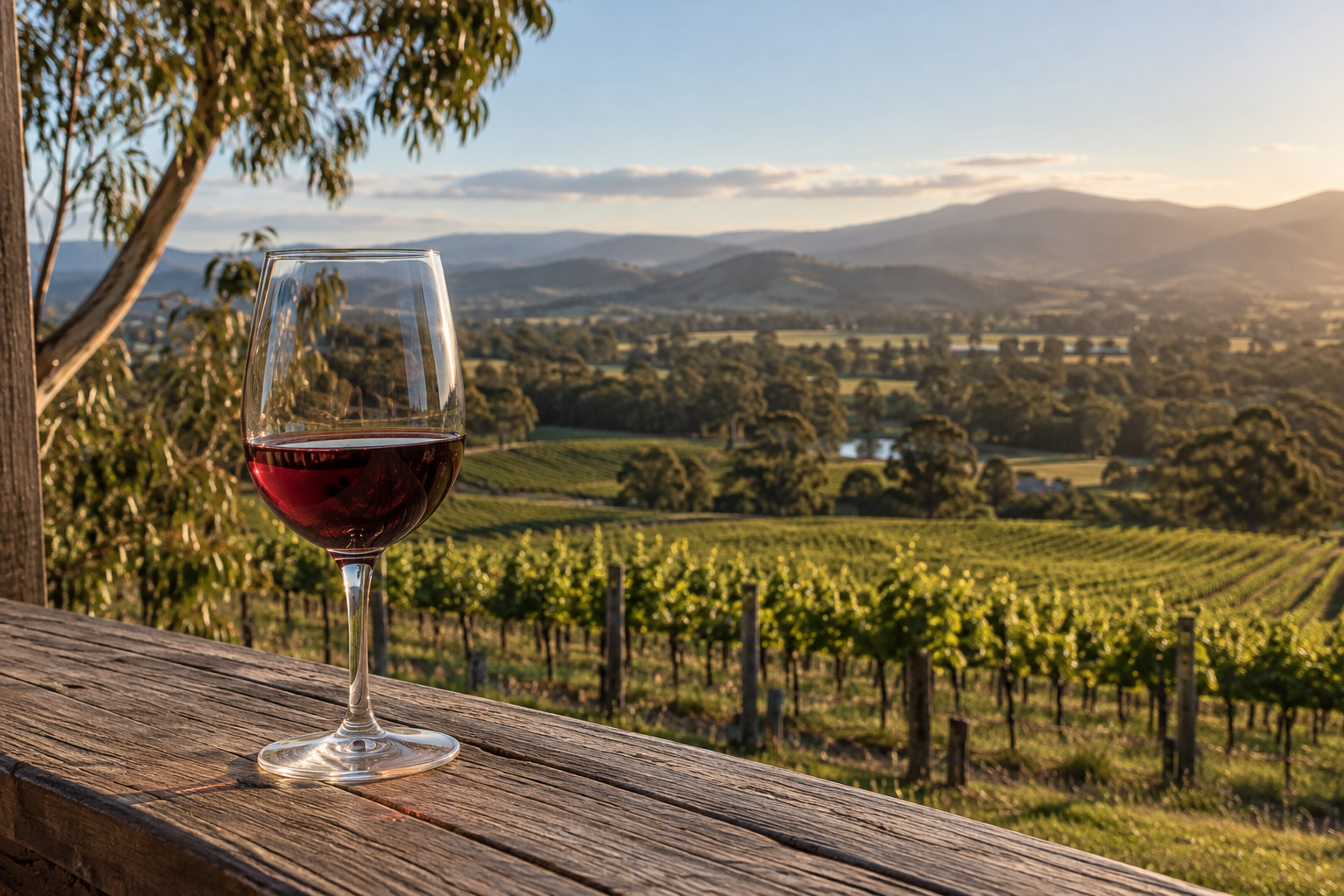
Yarra Yering Pinot Noir is an estate-grown Yarra Valley wine from the historic Gruyere vineyard established by Dr Bailey Carrodus in 1969. When comparing the 2018 and 2019 vintages, use seasonal conditions as context rather than a quality ranking: storage history, bottle condition and your preference for mature Pinot are more useful buying guides than a one-year age difference.
Yarra Yering Pinot Noir: the vineyard behind the wine
Yarra Yering sits at Gruyere, on the slopes of the Warramate Hills in the eastern Yarra Valley. Carrodus established the vineyard in 1969, with the estate’s first commercial vintage following in 1973. It became an important part of the region’s modern wine revival.
Pinot Noir belongs to the estate’s original vineyard heritage. That history matters because an established vineyard gives a producer years of experience with its individual blocks: how they ripen, where vigour needs managing and when fruit achieves flavour without losing freshness.
The estate is known for dry-grown vines. In practical terms, this means rainfall and moisture held in the soil play a central role rather than routine irrigation. It does not mean the vineyard is unaffected by drought, or that old vines automatically make superior wine; site management and picking decisions remain essential.
Sarah Crowe joined Yarra Yering as winemaker in 2013, so both vintages discussed here belong to her period at the estate. Careful hand picking and small-batch winemaking are characteristic of the producer’s approach.
Yarra Yering is not Yering Station. They are separate wineries with different vineyards and wine ranges. Our guide to Yering Station’s Pinot Noir labels explains that producer’s naming system.
For wider regional context, start with our Yarra Valley Pinot Noir guide to producers, vineyards and vintages.
What style of Pinot Noir should you expect?
Yarra Yering Pinot Noir is best approached as a serious, cellar-capable expression of the variety rather than simply an easy-drinking red. Its appeal lies in the relationship between perfume, fruit depth, savoury detail and a fine tannin structure.
Useful characteristics to look for include:
- Aromatic detail: cherry and berry fruit, potentially accompanied by floral or spice notes.
- Freshness: acidity that gives the wine shape and keeps the finish lively.
- Texture: fine tannins rather than the weight or grip associated with many Cabernet-based wines.
- Development: with bottle age, fruit may share the stage with earthy, leafy or other savoury aromas.
These are style markers, not a guaranteed tasting note for every bottle. French oak maturation contributes to the estate’s Pinot Noir style, but its expression changes as a wine develops.
An older bottle can also look relatively pale while retaining considerable flavour. Colour alone is a poor measure of Pinot Noir’s quality or remaining life.
Yarra Yering Pinot Noir 2018 vs 2019
At a regional level, 2018 was broadly a favourable Yarra Valley vintage for ripening. The 2019 season brought more pronounced heat and dry conditions, making the timing of harvest particularly important.
Those summaries help explain the growing-season context. They do not establish that one Yarra Yering release must be fresher, richer or longer-lived than the other. Vineyard conditions and winemaking decisions can matter as much as the regional headline.
| Consideration | Yarra Yering Pinot Noir 2018 | Yarra Yering Pinot Noir 2019 |
|---|---|---|
| Regional seasonal context | Broadly favourable ripening conditions | Hotter, drier conditions, with significant heat events |
| Relative bottle age | One year older than the 2019 | One year younger than the 2018 |
| Main buying question | Has it been stored well enough to retain fruit and balance? | Has it been stored well, and does its current development suit your taste? |
| Best evidence | Provenance, condition and a recent note for this exact wine | Provenance, condition and a recent note for this exact wine |
| What not to assume | Older automatically means fully mature or past its best | Younger automatically means fresher or better |
Yarra Yering Pinot Noir 2018: buying for development
A well-stored 2018 is worth considering if you enjoy Pinot Noir moving beyond primary fruit into more savoury territory. The important question is not simply whether the wine has aged, but whether its fruit, acidity and texture remain in balance.
At this stage, aromas such as dried leaves, forest floor or savoury spice may accompany cherry fruit. Those characteristics can be part of normal development; they should not be confused with a wine that smells strongly oxidised or tastes flat and depleted.
For a purchase intended for a special dinner, prioritise a merchant who can explain the bottle’s storage history. A critic’s review written on release describes the wine then, not necessarily the bottle you will open now.
If buying several bottles, opening one before committing the rest to further cellaring gives you more useful evidence than relying on an old drinking-window estimate.
Yarra Yering Pinot Noir 2019: reading a warmer vintage
The 2019 vintage deserves a more careful interpretation than “warm year equals heavy wine”. Heat can accelerate ripening, but picking date, crop balance, exposure and handling all influence the finished Pinot Noir.
When assessing a 2019 bottle, focus on whether the fruit remains clearly defined, whether the acidity refreshes the palate and whether tannins feel integrated. Those observations tell you more about present drinking pleasure than the vintage’s weather reputation alone.
Do not assume the extra year of youth makes it the safer purchase. A carefully cellared 2018 can be a better proposition than a 2019 exposed to heat during storage or transport.
For exact production details—such as alcohol, oak treatment or fermentation choices—seek the producer’s tasting sheet for the specific vintage rather than applying information from a newer release.
How to buy an older bottle with confidence
The biggest practical risk when buying either vintage is uncertain provenance. Pinot Noir can be especially disappointing when delicate aromas have been damaged by poor storage.
Before purchasing, ask:
- Where has the wine been stored? A stable, cool cellar is more reassuring than an unspecified cupboard or garage.
- How did the seller acquire it? Direct purchase and a clear ownership history are useful, particularly for secondary-market bottles.
- Are photographs available? Look for leakage, staining around the closure and an unexpectedly low fill level.
- What happens if the bottle is faulty? Understand the retailer’s policy before opening it.
- How will it be delivered? Avoid unnecessary exposure to hot weather or a parcel left in direct sun.
Check the complete label, vintage and bottle size. Yarra Yering’s better-known Dry Red wines are different products, and a listing headed only “Yarra Yering 2018” is not enough to identify Pinot Noir.
Label scuffing is mainly cosmetic. Leakage or a noticeably low fill level deserves more attention, although photographs cannot prove that a bottle is sound.
There is no dependable universal price or drinking deadline for either vintage. Availability, provenance and the seller’s terms should be considered alongside the asking price.
TarraWarra Pinot Noir: a different producer, not another Yarra Yering label
Searches for TarraWarra Pinot Noir sometimes appear alongside Yarra Yering because both are established Yarra Valley producers. They are nevertheless separate estates, with different vineyards and winemaking histories.
TarraWarra Estate is near Healesville, along the Healesville–Yarra Glen Road. Its winery setting is also associated with the neighbouring TarraWarra Museum of Art, which is a separate organisation. Do not assume a wine-tasting booking includes museum entry, or vice versa.
When comparing the wines, identify the exact TarraWarra bottling. An estate Pinot Noir and a Reserve Pinot Noir are not interchangeable reference points, even when they share a vintage.
A useful comparison puts equivalent wines side by side: the same year where possible, similar bottle condition and clearly identified labels. Taste for perfume, acidity, tannin and finish rather than deciding that one producer must always be lighter or more powerful.
For another site-focused comparison, our guide to Giant Steps Applejack Pinot Noir explores a distinct Yarra Valley vineyard expression.
Serving the 2018 and 2019 vintages
Serve these wines slightly cool, around 14–16°C, rather than at the temperature of a warm dining room. Excess warmth can make alcohol more obvious and blur the aromatic detail you bought the wine to enjoy.
Stand an older bottle upright beforehand if sediment is visible or likely. Open it, pour a small sample and assess its condition before deciding how much air it needs.
A sound but closed wine may improve in the glass. A delicate, fully developed bottle may lose its best aromas during prolonged decanting. There is no need to give every mature Pinot Noir the same treatment.
For food, choose dishes with savoury depth but avoid overwhelming heat or sweetness:
- Roast duck with a restrained cherry accompaniment.
- Mushroom risotto or roasted mixed mushrooms.
- Roast chicken with thyme and pan juices.
- Salmon with lentils or earthy vegetables.
- Pork with a lightly caramelised, rather than heavily sweetened, sauce.
Very hot chilli, sweet barbecue glaze and strongly pungent blue cheese can dominate the wine. If the bottle is particularly fine or mature, keep the meal simple enough to let it lead.
Know before you go: visiting Yarra Yering and the surrounding valley
Yarra Yering’s Gruyere location suits a visit focused on the eastern Yarra Valley and nearby wine-growing areas. It is not a town-centre tasting room, so plan transport and travel time rather than treating it as a casual stop between shops.
Check the winery’s current tasting arrangements directly before leaving. Booking requirements, available wines and visitor access can change. Do not assume that the 2018 or 2019 Pinot Noir will be available to taste or buy simply because the estate produces Pinot Noir.
Keep a wine day manageable: two or three considered visits usually leave more room for conversation, lunch and unhurried tasting than a crowded itinerary. Arrange a designated driver or suitable transport, and remember that tasting small pours still involves alcohol.
If buying bottles during a summer visit, protect them from heat immediately. A parked car can become damagingly hot, even while you stop for lunch.
For a different producer and a broader range of Pinot labels, read our comparison of De Bortoli Villages, Estate Vineyard and Riorret Pinot Noir before planning another tasting.
Support local while exploring
Yarra Valley Pass rewards participation across the Yarra Valley and Dandenong Ranges. Browse the current local partner businesses when planning your trip; participating businesses include Giant Steps, De Bortoli Wines, Oakridge and Punt Road Wines. Members earn Yarra Credits and redeem them for member rewards on the website. Check the current participation and reward details rather than assuming every winery visit qualifies.
The bottom line
Choose Yarra Yering Pinot Noir 2018 or 2019 for the producer, vineyard and drinking experience—not the vintage number alone. Verify the exact bottle, favour reliable storage history and serve it thoughtfully. For these older releases, good provenance is the strongest starting point for a rewarding glass.
Frequently asked questions
Where is Yarra Yering Pinot Noir made?
Yarra Yering Pinot Noir comes from the estate’s vineyard at Gruyere, on the slopes of the Warramate Hills in Victoria’s Yarra Valley. Dr Bailey Carrodus established the vineyard in 1969.
Is Yarra Yering Pinot Noir 2018 better than 2019?
Neither vintage is automatically better. The 2018 season was broadly favourable for ripening, while 2019 brought hotter, drier conditions. For bottles bought today, storage history, condition and your preference for developed Pinot Noir are more useful than a simple vintage ranking.
Are Yarra Yering and TarraWarra the same winery?
No. Yarra Yering and TarraWarra Estate are separate Yarra Valley producers with different vineyards and wine ranges. When comparing their Pinot Noirs, check the exact label and vintage, including whether the TarraWarra wine is an estate or Reserve bottling.
Should I decant Yarra Yering Pinot Noir 2018 or 2019?
Taste a small sample first. A sound but closed bottle may benefit from gentle aeration, while a delicate, developed bottle may be better served directly and allowed to evolve in the glass. Decant carefully if sediment needs separating, rather than automatically giving the wine prolonged air.
Can I taste the 2018 and 2019 vintages at Yarra Yering?
Do not assume either older vintage is available. Contact the winery directly to confirm current tasting arrangements, booking requirements and whether those specific wines can be tasted or purchased.
Related reading
- Soumah Wines: Italian varieties, estate labels and visiting the vineyard
- Oakridge Pinot Noir: Willowlake, Henk, Hazeldene and 864 Explained
- Affordable Yarra Valley Chardonnay: entry-level wines compared
- Levantine Hill Pinot Noir: Colleen’s Paddock and 2016–2019 Vintages
- Top wineries in Yarra Valley: 10 benchmark producers and why they matter
- Tokar Estate Tempranillo: Wine Style, Food Pairings and Cellar Door