Levantine Hill Optume and Cabernet Sauvignon: Labels, Vintages and Buying Tips
· Yarra Valley Pass
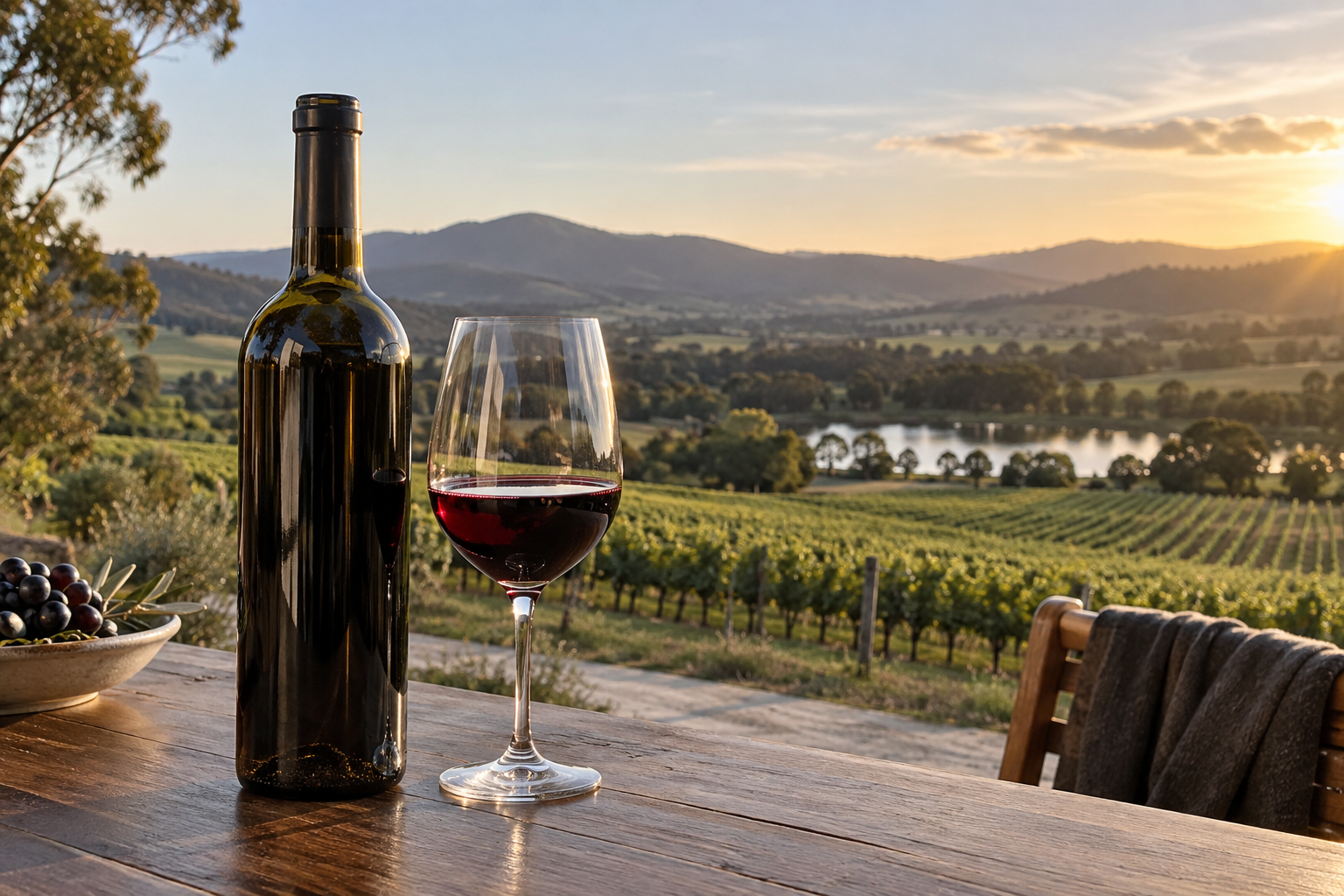
Levantine Hill Optume is a prestige wine range from the Yarra Valley, not a synonym for every Levantine Hill Cabernet Sauvignon. If you are buying a bottle described as “Levantine Hill Cabernet Sauvignon 2017”, confirm whether its label actually says Optume, then assess its provenance and condition. Choose by the exact wine and intended occasion, rather than assuming the most expensive listing is the right bottle.
What is Levantine Hill Optume?
Levantine Hill is a Yarra Valley wine producer with an estate and visitor destination in Coldstream. Optume sits within its prestige offering, and the name has appeared on both Cabernet Sauvignon and Shiraz releases.
That distinction matters: Optume identifies a range, not a grape variety. An Optume Shiraz is not the same wine as an Optume Cabernet Sauvignon, even when the producer and vintage match.
Retailers sometimes reverse the name to “Optume Levantine Hill”. Treat that as a naming variation, not a complete description. You still need the grape variety, vintage and bottle size.
Likewise, a listing headed simply “Levantine Hill Cabernet Sauvignon” may refer to a different wine within the producer’s portfolio. A prestige label deserves careful checking, but its positioning alone does not establish condition, drinking readiness or suitability for your meal.
Read the label before comparing bottles
Start with a photograph of the actual bottle, rather than relying solely on a retailer’s title or stock image. Look for the producer, range name, variety, vintage and volume, then compare those details with the invoice or listing.
| Listing or label wording | What it tells you | What to verify |
|---|---|---|
| Levantine Hill Optume Cabernet Sauvignon | Producer, prestige range and named grape | Vintage, bottle size and provenance |
| Levantine Hill Optume Shiraz | A different grape within the Optume range | That you want Shiraz rather than Cabernet |
| Levantine Hill Cabernet Sauvignon 2017 | Producer, named grape and vintage | Whether Optume appears on the actual label |
| Levantine Hill red blend | Producer and broad wine category | Exact wine name and blend information |
| Yarra Valley Cabernet Sauvignon | Region and named grape | Producer, range, vintage and condition |
Under Australian labelling rules, a wine labelled with a single grape variety generally needs at least 85% of that variety. Consequently, “Cabernet Sauvignon” does not automatically mean 100% Cabernet Sauvignon. The producer’s vintage-specific technical information is the best place to check the composition.
If buying as a gift, ask whether any pictured presentation packaging is included. Packaging is separate from the wine’s identity and should not be assumed from a promotional photograph.
What does Yarra Valley Cabernet Sauvignon taste like?
Yarra Valley Cabernet Sauvignon often combines blackcurrant or dark berry fruit with leafy, herbal or cedar-like notes. Acidity and tannin give it structure, while bottle age can introduce tobacco, dried herbs and more savoury flavours.
These are regional tendencies, not guaranteed tasting notes for every Levantine Hill release. Vineyard position, growing season, blending, oak treatment and bottle development all influence the result.
A leafy note is not automatically a fault. Cabernet can show attractive herbal complexity, although overtly raw, green flavours may be less appealing. Similarly, firm tannin is different from richness: a wine can be structured without tasting especially heavy.
For the broader regional context, our guide to Yarra Valley Cabernet Sauvignon, Shiraz and blends explains the main red-wine styles. It is useful if you are deciding whether Cabernet, Shiraz or a blend best suits your palate.
Levantine Hill Cabernet Sauvignon 2017: assessing an older bottle
A search for “levantine hill cabernet sauvignon 2017” leaves one important question unanswered: which label are you buying? Establish that before looking at reviews, drinking windows or prices.
The 2017 designation identifies the vintage, rather than the year the bottle reached the shop. It is now an older vintage, so storage history deserves particular attention. Two bottles of the same wine can develop differently if one has been consistently cellared and the other exposed to heat.
What bottle age may change
A well-stored Cabernet may move from fresh blackcurrant towards dried fruit, tobacco and savoury complexity. Tannins can feel more integrated, although an older wine is not necessarily soft or ready to drink.
Poor storage can instead lead to premature development, tired fruit or oxidation. Age alone therefore cannot tell you whether a particular 2017 bottle will be rewarding.
Do not expect a mature bottle to taste like a current-release Cabernet. If your preference is for bright primary fruit, a younger wine may be the better purchase.
How to use vintage reviews
Read reviews for the exact label and vintage, noting when the wine was tasted. A review written near release is valuable context, but it is not a report on the condition of today’s bottle.
A recommended drinking window is also an estimate, usually assuming sound storage. Use it alongside provenance, bottle condition and your preference for youthful or developed flavours.
For another practical look at this issue, see our guide to buying older Allinda Cabernet and Shiraz bottles.
Buying tips: provenance before prestige
Whether purchasing from a merchant, auction house or private seller, use the same checks. A recognisable label does not remove the risks associated with an older bottle.
Ask these six questions
- Is this the exact wine pictured? Request actual-bottle photographs when the listing is ambiguous or condition-sensitive.
- Where has it been stored? Consistent, temperature-controlled storage is more useful information than an unsupported claim that it was “carefully kept”.
- What is the ownership history? A clear account of purchase and storage helps assess provenance. Documentation can support that account, although it does not guarantee condition.
- Are there visible concerns? Ask about seepage, closure damage, staining and the fill level. Interpret the fill level in relation to the bottle’s shape and age.
- What is the seller’s remedy policy? Check how misdescribed, damaged or potentially faulty bottles are handled. Auction and private-sale terms may differ from retail terms.
- What is the total cost? Include delivery and any auction fees before comparing offers.
Cosmetic label wear is not the same as spoiled wine. Conversely, a pristine label cannot prove that the bottle has never overheated. Warning signs deserve questions, not automatic conclusions.
Compare like with like
Match the range, variety, vintage and bottle size before judging value. An Optume Cabernet should not be compared directly with a different Levantine Hill Cabernet as though the only difference were the seller’s margin.
For adjacent vintages, compare vintage-specific tasting information rather than applying one review across several years. Our Oakridge 864 Cabernet Sauvignon 2018 versus 2019 buying guide offers another example of this approach.
If a bottle will be shipped during hot weather, ask about dispatch timing and available delivery options. Avoid leaving wine in a parked car or unattended in direct sun after it arrives.
Serving Cabernet Sauvignon without overdoing the decant
Serve Cabernet slightly cooler than a warm dining room: approximately 16–18°C is a useful starting point. An overly warm bottle can emphasise alcohol and make the wine seem less balanced.
For an older bottle, stand it upright ahead of opening so sediment can settle. Open carefully, pour a small sample and taste before choosing how much air to give it.
- If it seems closed but sound: a short period in a decanter may help it open.
- If it is already expressive and delicate: serve directly from the bottle and follow its development in the glass.
- If sediment is present: decant gently, stopping before the sediment reaches the neck.
Avoid an automatic instruction to “decant for several hours”. A mature Cabernet can lose freshness with prolonged exposure, while a more youthful, structured wine may benefit from air.
Sediment can occur naturally in mature red wine and is not, by itself, evidence of a fault. Glassware matters too: a clean, medium-to-large wine glass gives you room to assess the aromas without requiring specialised equipment.
Food pairings for a structured Yarra Valley red wine
Cabernet works particularly well with food that offers savoury depth, protein and some fat. The most useful pairing depends on whether the bottle is fruit-led and firm or more mature and subtle.
Good options include:
- Roast lamb with rosemary: a natural match for Cabernet’s dark fruit and herbal character.
- Beef with mushrooms: combines protein with earthy flavours that suit a developed red.
- Lentils with roasted mushrooms: a substantial vegetarian option, especially with a restrained, savoury sauce.
- Mature cheddar: often a better fit for structured Cabernet than delicate fresh cheeses.
With an older bottle, keep strong chilli, heavy sweetness and aggressive smoke in check. Those flavours can dominate the wine you have taken care to buy and serve.
If you enjoy Cabernet’s structure but want to explore a blend, our Samantha’s Paddock guide to style and food pairings provides a related comparison. A named blend should still be assessed on its own composition and vintage, rather than treated as interchangeable with varietal Cabernet.
Know before you go to Levantine Hill
Levantine Hill’s visitor destination is in Coldstream, on the Maroondah Highway. It can fit into a broader Yarra Valley wine itinerary, but plan around your actual booking rather than assuming every tasting experience is available on arrival.
Before travelling, check the producer’s current information for:
- Tasting options and booking requirements.
- Whether Optume is included in any available tasting experience.
- Which Cabernet Sauvignon vintages are available to purchase.
- Dining arrangements, if you want to combine wine with a meal.
- Accessibility or other requirements relevant to your group.
Do not assume a 2017 bottle listed by an independent merchant will also be available at the cellar door. Likewise, a standard tasting should not be assumed to include prestige releases.
Arrange a designated driver, booked transport or another suitable travel option if tasting. Leave time between appointments: a tightly packed schedule makes it harder to enjoy or assess the wines.
Plan other local stops with Yarra Valley Pass
For additional winery visits, Yarra Valley Pass lists Oakridge, Dominique Portet and Coldstream Hills Cellar Door among its local partner businesses. Check each venue’s current tasting and booking arrangements before adding it to your itinerary.
Yarra Valley Pass members earn Yarra Credits through eligible participation and redeem them for member rewards on this website. Check current participation terms before booking or spending; a winery’s inclusion in this article does not automatically mean its purchases or experiences earn credits.
Conclusion
When buying Levantine Hill Optume or a Cabernet Sauvignon 2017, identify the exact label first, then assess provenance, condition and total cost. Choose a bottle that suits your taste and occasion, and give an older wine careful service rather than an automatic long decant.
Frequently asked questions
What is Levantine Hill Optume?
Optume is a prestige range from Yarra Valley producer Levantine Hill. The name has appeared on Cabernet Sauvignon and Shiraz releases, so you need the variety and vintage to identify the specific wine.
Is Levantine Hill Cabernet Sauvignon 2017 always an Optume wine?
No. That description does not establish the range. Check the actual bottle label for the Optume name and confirm that the seller’s description matches the bottle being offered.
Is Levantine Hill Cabernet Sauvignon 2017 ready to drink?
Readiness depends on the exact label, storage history, bottle condition and your taste preferences. A well-stored bottle may show attractive mature flavours, but age alone does not guarantee that it is ready or in good condition.
Should I decant an older Yarra Valley Cabernet Sauvignon?
Taste it first. Gentle decanting can separate sediment, and some wines benefit from air, but an already expressive mature bottle may be better served directly. Avoid assuming every older Cabernet needs several hours in a decanter.
What should I check before buying an older Optume bottle?
Confirm the range, grape variety, vintage and bottle size, then ask about storage, ownership history and visible condition. Request actual-bottle photographs where possible and check the seller’s remedy policy and total delivered cost.
Can I assume Optume is included in a Levantine Hill tasting?
No. Check the producer’s current tasting options and ask specifically whether Optume is included. Prestige wines and older vintages should not be assumed to be available in a standard tasting or for cellar-door purchase.
Related reading
- Soumah Wines: Italian varieties, estate labels and visiting the vineyard
- Oakridge Pinot Noir: Willowlake, Henk, Hazeldene and 864 Explained
- Affordable Yarra Valley Chardonnay: entry-level wines compared
- Levantine Hill Pinot Noir: Colleen’s Paddock and 2016–2019 Vintages
- Top wineries in Yarra Valley: 10 benchmark producers and why they matter
- Tokar Estate Tempranillo: Wine Style, Food Pairings and Cellar Door